Need help?
Do you have a question about the Learjet 25 and is the answer not in the manual?
Details on AC power generation, inverters, controls, and operation.
Details on DC power generation, batteries, and related components.
Details on red, amber, and green lights, their function, and intensity control.
Details on tip, wing, and fuselage tanks, and the ram-air vent system.
Description of fuel quantity and fuel flow indicating systems, including warnings.
Explanation of fuel supply to engines, boost pumps, and jet pumps.
Overview of engine systems: oil, fuel, ignition, power control, instrumentation.
Details on sensing elements, control units, fire lights, and system test.
Description of extinguisher containers, discharge indicators, and operation.
Details on engine nacelle heat, windshield anti-ice/defog, alcohol, and wing systems.
Description of the brake system, normal operation, antiskid, and emergency brakes.
Details on stall warning systems, including vanes, shakers, and stick pushers.
Description of AFCS components, servos, flight controller, and modes.
Details on oxygen cylinder, distribution systems, pressure, and masks.
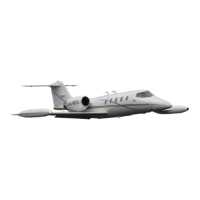
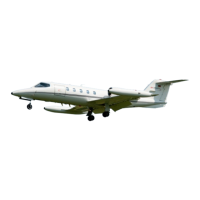
 General
| Manufacturer | Learjet |
|---|---|
| Model | 25 |
| Type | Business jet |
| First Flight | August 12, 1966 |
| Crew | 2 |
| Passengers | 8 |
| Passenger Capacity | 8 |
| Height | 3.73 m (12 ft 3 in) |
| Engines | 2 |
| Role | Executive transport |
| Length | 14.50 m (47 ft 7 in) |
| Wingspan | 13.35 m (43 ft 10 in) |
| Max Takeoff Weight | 6, 804 kg (15, 000 lb) |
| Maximum Speed | 541 mph |
| Range | 2, 965 km (1, 842 miles) |
| Service Ceiling | 13, 715 m (45, 000 ft) |
| Powerplant | General Electric CJ610 turbojet engines |


 To Next Page