1/5
Technical data sheet: S000113312EN-1 Updated: Created: 13/01/2021
Cat. No(s): 0 035 45
KNX routeur IP DIN
128, av. du Maréchal-de-Lattre-de-Tassigny - 87045 LIMOGES Cedex
Tel: +33(0)5 55 06 87 87 Fax: +33(0)5 55 06 88 88
www.legrand.com
CONTENTS...................................................................................................... PAGE
1. Use .............................................................................................................................2
1.1 Communication Objects .....................................................................................................................2
1.2 IP Router as Programming Interface ..........................................................................................................2
1.3 Tunneling ...................................................................................................................................2
1.4 Routing .....................................................................................................................................2
1.5 Coupler .....................................................................................................................................2
2. Technical characteristics .........................................................................................................2
2.1 Electrical characteristics .....................................................................................................................2
2.2 Connections characteristics ..................................................................................................................2
2.3 Consumption ...............................................................................................................................2
2.4 Mechanical characteristics ...................................................................................................................2
2.5 Climate characteristics .......................................................................................................................2
3. Dimensions .....................................................................................................................2
4. Connection ......................................................................................................................3
4.1 Single wiring ................................................................................................................................3
4.2 Double wiring ...............................................................................................................................3
5. Operation .......................................................................................................................3
5.1 Description of the device ....................................................................................................................3
5.2 Operation and Display .......................................................................................................................3
5.3 Function Button .............................................................................................................................3
5.3.1 Long press (3 sec) ..........................................................................................................................3
5.3.2 Very long press (15s) .......................................................................................................................3
5.4 Addressing Mode ...........................................................................................................................3
5.4.1 LED addressing mode ......................................................................................................................3
5.4.2 Button addressing mode ...................................................................................................................3
5.5 KNX Telegrams in the network ...............................................................................................................4
5.6 IP Router as Area Coupler ....................................................................................................................4
5.7 IP Router as Line Coupler ....................................................................................................................4
5.8 IP Router in Mixed Systems ..................................................................................................................4
5.9 Factory Settings .............................................................................................................................4
6. Standards ......................................................................................................................4
7. Communication objects ..........................................................................................................4
7.1 Application Description .....................................................................................................................4
7.2 ETS Parameters ..............................................................................................................................4
7.2.1 General ...................................................................................................................................4
7.2.2 IP Configuration ...........................................................................................................................4
7.2.3 KNX Multicast Address .....................................................................................................................5
7.2.4 Settings for coupler ........................................................................................................................5
7.2.5 Main Line ..................................................................................................................................5
7.2.6 Sub Line ...................................................................................................................................5

 Need help?
 General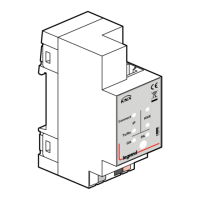

 To Next Page