45D0028 7
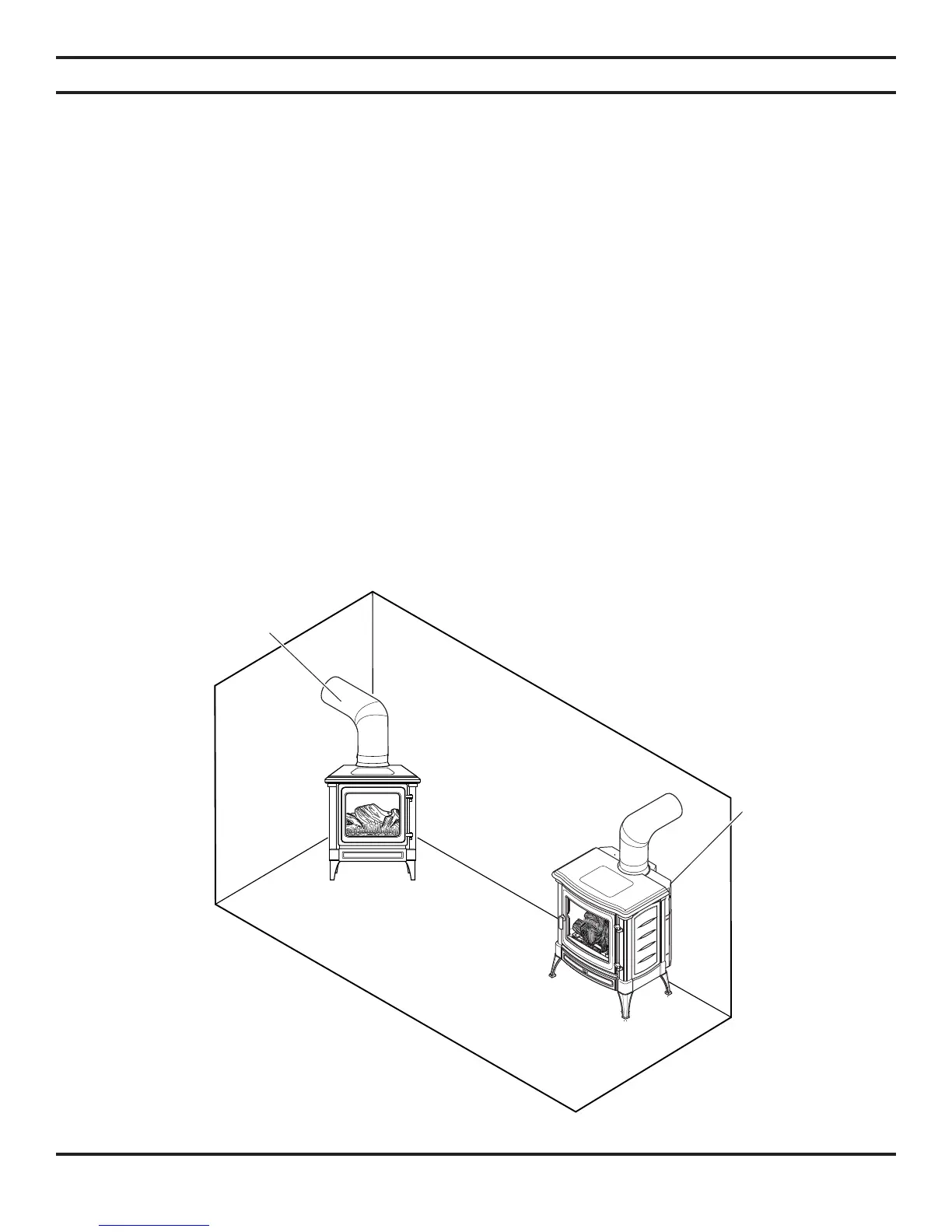
Figure 3 - Example of Typical Installations (see “Clearances,” page 8)
Cast Iron Stove
GENERAL INSTALLATION INFORMATION
The following factors should be taken into consideration:
• This stove should have sufcient access for its safe operation and maintenance.
• Locate a position where the ue system of the stove can be properly installed without damaging the integrity of the
building. e.g. cutting wall or ceiling joist (example: load-bearing framing members).
• When the appliance is installed directly on carpeting, tile or other combustible material other than wood ooring, you
must set appliance on a metal or wood panel extending the full width and depth of the appliance.
• Check stove and ue system clearance requirements.
• Locate the stove where it can be accessed by a gas supply line.
• Locate the stove in a large and open room that is centrally located in the house. This will optimize heat circulation
and comfort.
• The ow of combustion and ventilation air must not be obstructed.
• Minimum clearances to combustibles, side-wall, ceiling, woodwork, and windows must be maintained. See Figures 4
and 5, page 8.
• This stove may be installed along a wall, across a corner, or use an exterior chase. See Figure 3 for suggested locations.
• Location should be out of high trafc areas and away from furniture and draperies due to heat from appliance.
• Never obstruct the front opening of the stove.
• Do not install in the vicinity where gasoline or other ammable liquids may be stored.
• Vent pipe routing. See Venting section found in this manual for allowable venting congurations.
• These units can be installed in a bedroom. See National Fuel Gas Code ANSI Z233.1/NFPA 54 (current edition), the
Uniform Mechanical Code (current edition), and Local Building Codes for specic installation requirements.
Cast Iron Stove



 To Next Page