Need help?
Do you have a question about the Lumens VC-A50PN and is the answer not in the manual?
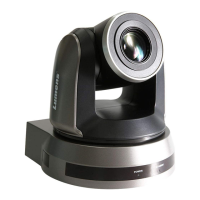
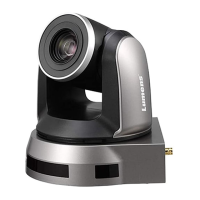
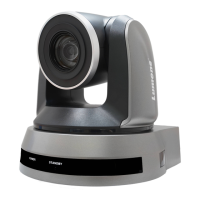
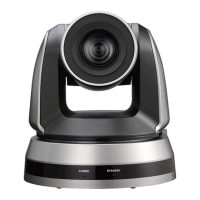
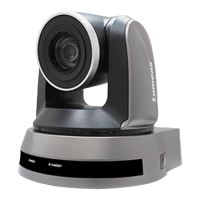
The Lumens VC-A50PN is a camera designed for seamless integration into IP video workflows, leveraging the NDI®|HX protocol for efficient video transmission over a network. This device is primarily intended for professional video production environments where high-quality video capture and flexible network connectivity are crucial. The camera's design emphasizes ease of installation and operation, making it accessible for users ranging from broadcast professionals to educational institutions and corporate settings.
The core function of the VC-A50PN is to capture and transmit high-definition video over a standard Ethernet network using the NDI®|HX protocol. NDI®|HX (Network Device Interface | High Efficiency) is a specialized version of the NDI protocol developed by NewTek, which allows for high-quality, low-latency video transmission over existing IP networks without requiring dedicated video infrastructure. This enables the camera to be integrated into a wide range of production setups, from simple single-camera operations to complex multi-camera live broadcasts.
The camera acts as a video source within an NDI® ecosystem. Once connected to a local network and properly configured, its video feed becomes discoverable and accessible by any NDI®-compatible software or hardware on the same network. This includes production switchers, recording software, streaming applications, and monitoring tools. The NDI®|HX capability means that the camera can send its video signal, along with embedded audio and control data, directly to these devices over a single Ethernet cable, simplifying cabling and setup compared to traditional SDI or HDMI workflows.
Beyond basic video transmission, the VC-A50PN is designed to be a versatile tool for video capture. While the manual focuses on its network integration, it implies the camera's ability to deliver a high-quality image suitable for professional applications. The integration with NDI® also means that the camera can receive control commands over the network, allowing for remote pan, tilt, zoom (PTZ) operations if the camera itself is a PTZ model, or other camera settings adjustments. This remote control capability is a significant advantage in live production environments where cameras may be placed in inaccessible locations or where a single operator needs to manage multiple camera feeds.
The camera's reliance on a network for video transmission also facilitates distributed production workflows. Video feeds from multiple VC-A50PN cameras can be routed to different locations on the network for monitoring, switching, or recording, all without the need for dedicated video routers or extensive cabling. This flexibility makes it ideal for remote production scenarios or for creating scalable video systems.
The VC-A50PN is designed for straightforward integration and operation, with a strong emphasis on network-based control and monitoring.
NDI®|HX Driver Installation: The initial setup involves installing the NDI®|HX driver on a Microsoft Windows® computer or device. This driver is crucial as it enables the computer to recognize and interact with NDI® devices on the network. The installation process is guided by a provided link to the NewTek website, ensuring users obtain the correct and most up-to-date driver. This step also installs NewTek NDI® Studio Monitor, a key application for managing and viewing NDI® sources.
Network Connection: After the driver installation, the camera and the Windows® device must be connected to the same local network using a standard Ethernet cable. This is a fundamental requirement for NDI® communication. The manual highlights a crucial point: if a switch is used without a router, manual configuration of network settings on the Windows® device might be necessary. This indicates the camera relies on standard IP networking principles, and users should have a basic understanding of network configuration for optimal setup.
Discovery and Monitoring with NDI® Studio Monitor: The primary tool for interacting with the VC-A50PN is the NewTek NDI® Studio Monitor application. Once opened, this application allows users to discover all available NDI® sources on the network. The camera will appear in a list of NDI® sources, typically identified by its name (e.g., "Camera 1," "Camera 2," "Camera A," etc.). Users simply select their camera from this list to view its live video feed. This intuitive discovery mechanism eliminates the need for complex IP address configurations for each camera.
On-Screen User Interface (OSD): The manual indicates that users can "Configure and control your camera using the on-screen user interface." This implies that once the camera's feed is displayed in NDI® Studio Monitor, an overlay or integrated control panel becomes available within the monitor application. This interface would allow users to adjust various camera settings such as exposure, white balance, focus (if applicable), zoom, and potentially pan/tilt functions. The visual representation of the camera feed within Studio Monitor, combined with an interactive control interface, provides a comprehensive and user-friendly way to manage the camera's output. The screenshot provided shows icons for "STORE," "AF" (Autofocus), and numerical presets, suggesting capabilities for saving camera positions or settings and managing focus.
Local Network Requirement: A critical usage feature emphasized is that the camera must be connected to the same local network as the Windows® computer or device with the NDI®|HX driver installed. This ensures that the NDI® protocol can function correctly, allowing for seamless discovery and communication between the camera and the control software.
The manual primarily focuses on initial setup and usage, with less explicit detail on long-term maintenance. However, based on the nature of the device and its integration into an IP network, several implicit maintenance aspects can be inferred:
Software/Firmware Updates: While not explicitly mentioned, network-connected devices like the VC-A50PN typically receive software or firmware updates. These updates are crucial for improving performance, adding new features, enhancing security, and fixing bugs. Users would likely be advised to periodically check the manufacturer's website for available updates and follow specific instructions for installation, which often involves downloading a file and applying it via a network interface or a direct connection.
Network Configuration Management: Maintaining a stable and efficient network environment is paramount for the VC-A50PN. This includes ensuring proper IP address allocation (DHCP or static), managing network bandwidth to prevent congestion, and verifying network cable integrity. Any issues with the network can directly impact the camera's performance and video quality. Regular network checks and adherence to best practices for IP video networks would constitute a form of maintenance.
Environmental Considerations: As with any electronic device, maintaining the camera in a suitable environment is important for its longevity. This includes keeping it within specified temperature and humidity ranges, protecting it from dust and moisture, and ensuring adequate ventilation. While not a direct "feature," proper environmental care is a key aspect of device maintenance.
Driver and Software Updates for Control PC: The manual explicitly states the need for the NDI®|HX driver and NewTek NDI® Studio Monitor. Maintaining these software components on the Windows® computer—ensuring they are up-to-date and functioning correctly—is an indirect but vital maintenance task for the camera system as a whole. Outdated drivers or software could lead to compatibility issues or reduced performance.
Troubleshooting Network Connectivity: The manual's note about manual network configuration if using a switch without a router points to a common troubleshooting scenario. Users might need to perform basic network diagnostics (e.g., checking IP addresses, subnet masks, gateway settings) to ensure the camera and the control computer can communicate. Understanding these network fundamentals is a key "maintenance skill" for operating this device.
In summary, the Lumens VC-A50PN is a network-centric video camera designed for modern IP-based production workflows. Its primary appeal lies in its ease of integration into NDI® ecosystems, simplified cabling, and remote control capabilities, all managed through intuitive software like NewTek NDI® Studio Monitor. While explicit maintenance features are not detailed, the nature of the device implies a focus on software updates, network health, and environmental care to ensure optimal and long-lasting performance.
 General
| Resolution | 1920 x 1080 |
|---|---|
| Optical Zoom | 20x |
| Sensor Type | CMOS |
| Lens Type | Motorized Zoom Lens |
| Aperture | F1.6 - F3.5 |
| Wide Dynamic Range | Yes |
| Ingress Protection | IP66 |
| Image Sensor | 1/2.8" CMOS |
| Video Output | HDMI |
| Power | DC 12V, PoE (IEEE 802.3af) |
| Effective Pixels | 2 Megapixels |
| Focal Length | 4.7mm - 94mm |
| Minimum Illumination | 0.5 Lux |
| Day/Night | Yes |
| Video Compression | H.264 |
| Network Interface | 10/100/1000 Mbps Ethernet |
| Power Supply | DC 12V, PoE (IEEE 802.3af) |
| Operating Temperature | -10°C to 50°C |

 To Next Page