A-14
Appendix Mark Levinson
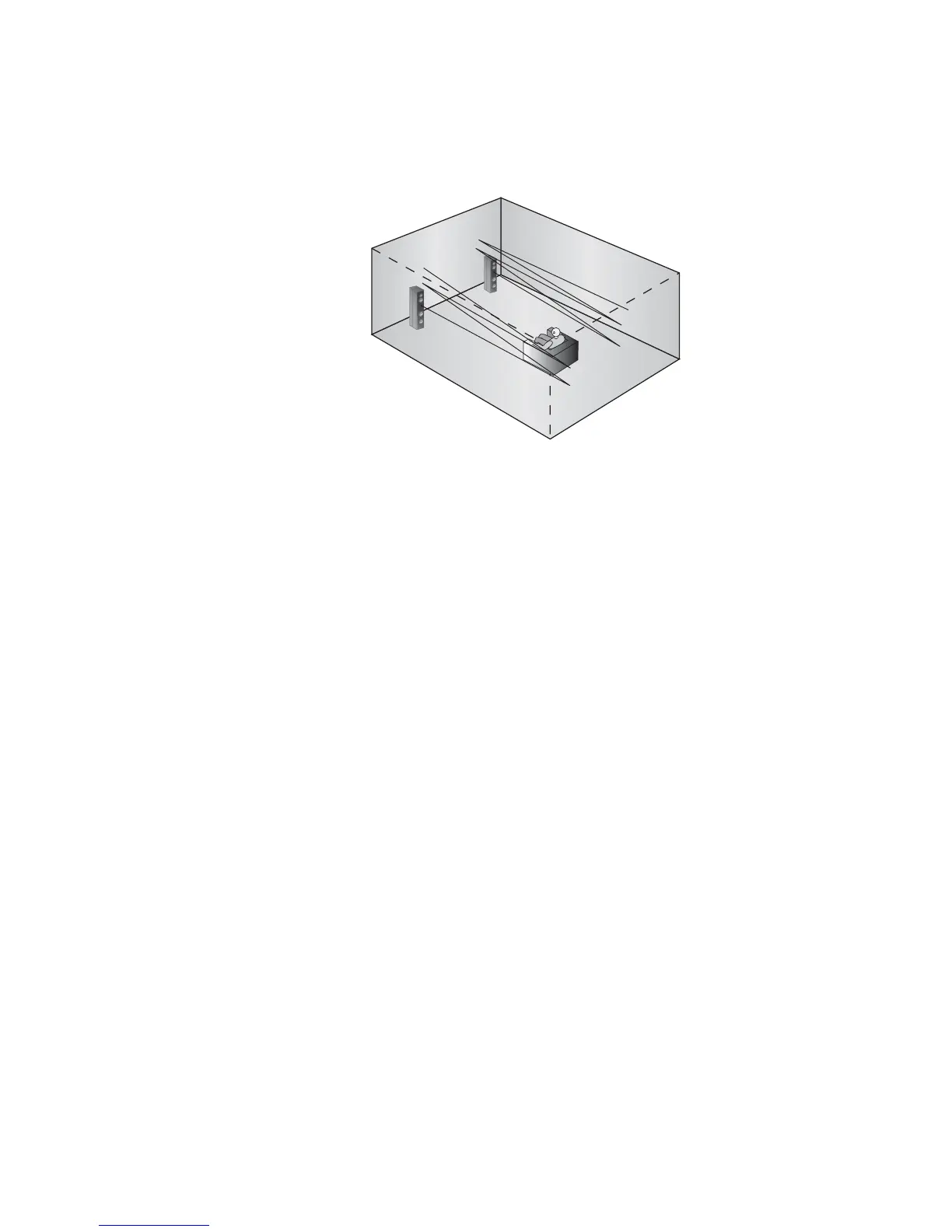
end result of this effect is that you hear an extremely complicated sum
that cannot be easily characterized, but that contributes to the resonances
that create the overall “room sound”.
How Speakers
Compensate
Good speaker designers know that there are inevitable differences from
one room to another that they cannot control. So they try to develop
speaker systems that will take best advantage of the known features in any
room. For example, a typical cone driver does not radiate all frequencies
evenly in all directions. With a floor-standing speaker, designers know
how far above the floor each driver in the speaker will be and they take
that height into consideration.
But no matter how good the speaker design is, the designer is still forced
to make assumptions on how the typical home theater is set up and where
the speakers will be placed; and it’s entirely possible, perhaps even
probable, that your home theater will vary greatly from the designer’s
vision of the typical room.
Therefore, for best results, avoid setting up your home theater room in a
manner that creates problems that the speaker designer couldn’t antic-
ipate. Here are some tips for arranging your listening room for optimal
sound enjoyment:
• If the room is still under construction, try to avoid building large
enclaves or rectangular cavities such as foyers, bay windows, stairway
entrances, and so on. Such spaces resonate specific frequencies that
can greatly affect the sound quality within the room.
• Try not to place speakers in cabinets or build them into walls unless
the manufacturer has specified them for such applications.
• Seats should be positioned away from walls and corners. Seating
positions too close to one or more walls are subject to bass increases.
• Speakers designed to be freestanding should be used that way;
likewise, those designed to be set against a wall or in a corner should
be used that way. Every close boundary wall provides a boost in the
PARALLEL
REFLECTIONS



 To Next Page