MAINTENANCE
Read all of SAFETY and this section before attempting any procedure. Pay particular attention to Notices, Cautions, Warnings and Dangers.
51
Owner’s Guide
DO NOT overfill batteries. The charge cycle will expel electrolyte and cause component damage.
A battery being charged will gas with most gassing occurring at
the end of the charging cycle. This gas is hydrogen which is
lighter than air. Water and sulphuric acid droplets will be
carried out of the battery vents by the hydrogen gas, however,
this loss is minimum. If the electrolyte level is high, the
electrolyte will block the vent tube and the gas will push it out
the vent tube and battery cap. The water will dry but the
sulphuric acid will stay and damage the vehicle components
and the storage facility floor. Sulphuric acid loss will weaken
the amount of acid within the electrolyte and decrease the life
of battery.
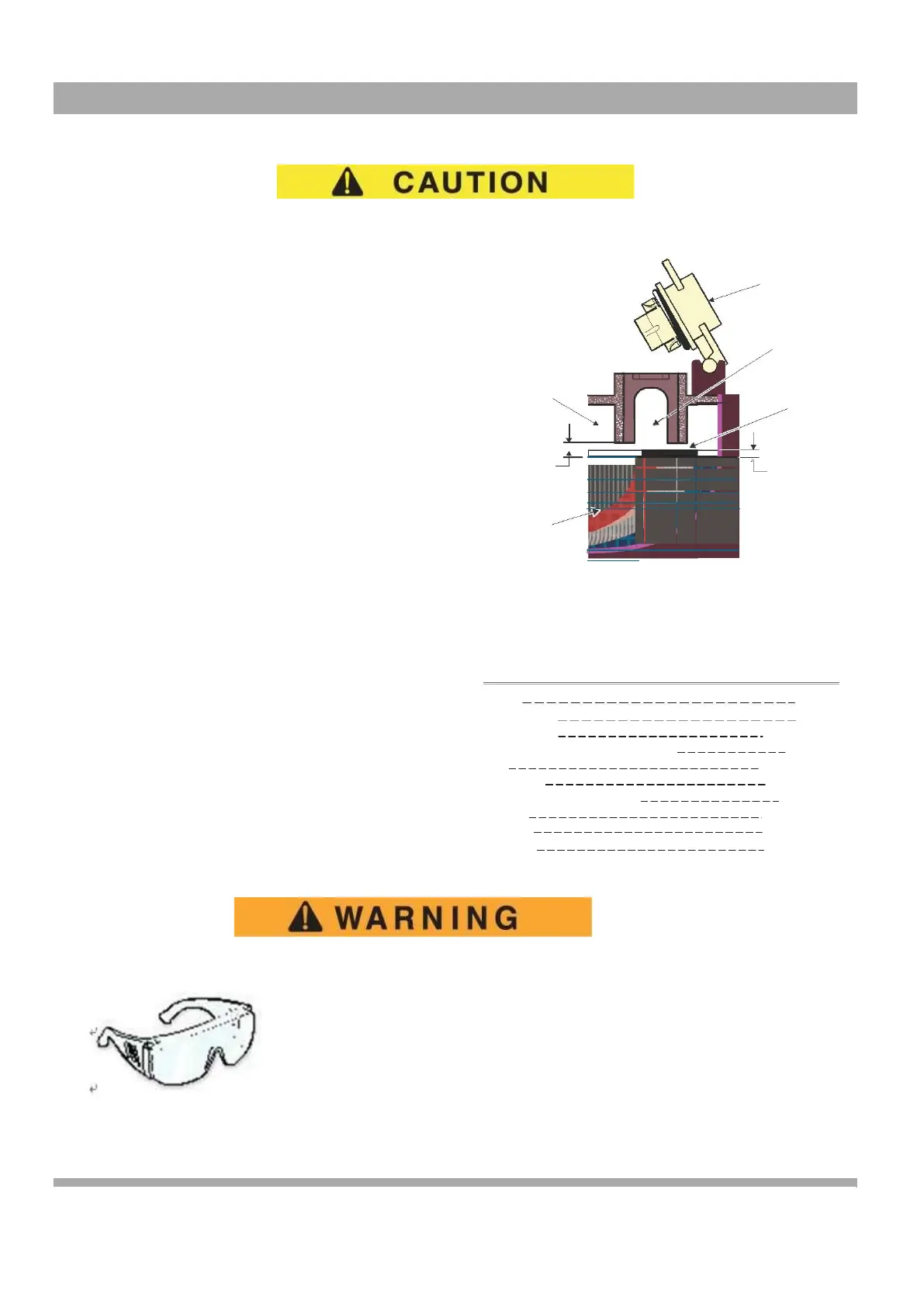
Expansion
Vent Cap
Gas Vent
Space
Vent
1/4” to 3/8”
1/2” (13 mm)
(6 mm to 10mm)
Plates
Over the life of the battery, a large amount of water is used.
The water used must be clean and without contamination.
Water that is not clean decreases the life of the battery by
reducing the chemical reaction. Use distilled water or filtered
water only. Test water that is not distilled water and filter if
needed. Refer to the water purity table for requirements.
Electrolyte level should be at least 1/2” (13mm) above
the plates and 1/4” to 3/8” (6 to 10 mm) below vent
Correct Electrolyte Level
Impurity Parts Per
Million
Color Clear
Suspended Trace
Total Solids 100
Calcium and Magnesium Oxides 40
Iron 5
Ammonia 8
Organic and Volatile Matter 50
Nitrites 5
Nitrates 10
Chloride 5
Water Purity Table
The electrolyte in a battery is an acid solution which can cause severe
burns to the skin and eyes. Clean all electrolyte spills to the body and
eyes with clear water. Contact a physician immediately.
To clean an electrolyte spill, use a solution of 2 teaspoons (10 ml)
sodium bicarbonate (baking soda) mixed with 1 quart (1 liter) of wate.
Always wear a safety shield or approved safety goggles when you add
water or charge the batteries.



 To Next Page