EasyManua.ls Logo

Mercusys MB110-4G - User Manual

Mercusys MB110-4G
75 pages
Print Icon
To Next Page IconTo Next Page
Loading...
User Guide
300Mbps Wireless N 4G LTE Router
MB110-4G
© 2023 MERCUSYS 1910080087 REV1.0.0

Table of Contents

Other manuals for Mercusys MB110-4G

Question and Answer IconNeed help?

Do you have a question about the Mercusys MB110-4G and is the answer not in the manual?

Summary

Chapter 1. Introduction

Product Overview

Provides a general overview of the 4G LTE Router's capabilities and primary functions.

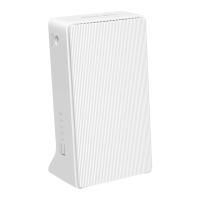
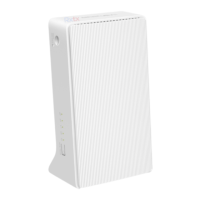
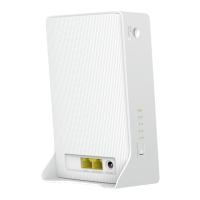
Panel Layout

Details the physical components and ports on the router's panels, including front, rear, and bottom.

Chapter 2. Quick Setup

Position Your Router

Guides on selecting an optimal location for the router to ensure best performance and signal strength.

Plug & Play with SIM Card

Explains how to insert a SIM card and get the router working immediately in 3G/4G mode.

Set Up Router in Wireless Mode

Instructions for configuring the router to operate as a standard wireless router using an Ethernet connection.

Install External Antennas

Describes the process of connecting external antennas to enhance LTE network signal strength.

Chapter 3. Log In to the Router

Chapter 4 Mercusys Cloud Service

Register Mercusys ID

Guides users through creating a Mercusys ID for remote monitoring and management of devices.

Manage User Mercusys IDs

Explains how to add or remove other Mercusys IDs to manage the extender, defining user roles and permissions.

Chapter 5. Network Security

Protect Network from Cyber Attacks

Covers enabling the SPI Firewall to prevent unauthorized access and malicious traffic.

Configure Service Filtering

Instructions on setting up service filtering to control specific user access or block internet access.

Access Control Management

Details how to block or allow specific devices using Blacklist or Whitelist for network access.

IP & MAC Binding Setup

Explains how to bind IP addresses to MAC addresses to prevent ARP spoofing and enhance security.

Chapter 6. Parental Controls

Chapter 7. SMS

View Messages

Instructions for viewing incoming SMS messages received by the router.

Send New SMS Message

Guides on composing and sending SMS messages from the router interface.

View Sent Messages

How to check messages that have been sent from the router.

View Draft SMS Messages

Accessing and managing unsent SMS messages saved as drafts.

SMS Settings Configuration

Explains how to configure SMS settings, including the Message Center Number.

Chapter 8. Guest Network

Create Guest Network

Steps to set up a separate Wi-Fi network for guests, isolating them from the main network.

Customize Guest Network Options

Options to configure guest network settings like client isolation and local network access.

Chapter 9. NAT Forwarding

Translate Address and Port by ALG

Explains how to use ALG to support address and port translation for specific protocols.

Share Local Resources via Virtual Server

Guides on setting up a virtual server to make local network services accessible from the internet.

Open Ports via Port Triggering

How to dynamically open ports for applications like online games or VoIP by specifying triggering ports.

DMZ Configuration for Applications

Setting up a DMZ host to allow unrestricted bidirectional communication for applications.

UPnP for Smooth Online Gaming

Enabling UPnP to automatically open ports for seamless online gaming and other P2P applications.

Chapter 10. Specify Your Network Settings

Create Connection Profile

Manually creating an internet connection profile if ISP settings are not auto-detected.

Upgrade ISP Information

Updating the router with the latest ISP information for optimal connectivity.

PIN Management for SIM Card

Managing SIM card PIN settings, including PIN lock and auto-unlock features.

Data Usage Settings

Monitoring and limiting data usage, setting allowances, and configuring usage alerts.

LAN Settings Configuration

Configuring LAN IP address, DHCP server, and IP address reservation for the local network.

Wireless Settings Configuration

Customizing wireless network settings like SSID, password, security, and channel.

Set Up Dynamic DNS Service

Configuring DDNS to access the router using a domain name with a dynamic IP address.

Create Static Routes

Defining static routes to control network traffic paths for specific destinations.

IPv6 Tunnel Setup

Configuring an IPv6 tunnel for transition between IPv6 and IPv4 networks.

USSD Communication

Using USSD codes to communicate with the service provider for various queries.

Chapter 11. Administrate Your Network

Set System Time

Configuring the router's system time, which is used for other time-based functions.

Control Router LEDs

Managing the router's LED indicators, including enabling or disabling them and setting a night mode.

Test Internet Connectivity

Using the built-in diagnostic tool to check and troubleshoot internet connection issues.

Update Router Firmware

Instructions for updating the router's firmware via online or local methods.

Backup and Restore Settings

Saving current router configuration to a file and restoring it, or resetting to factory defaults.

Reboot Router Function

Performing manual or scheduled reboots of the router to clear cache and improve performance.

Change Administrator Account

Modifying the username and password used to log in to the router's web management page.

Configure Local Management

Controlling which devices on the local network can manage the router, with options for IP/MAC filtering.

Configure Remote Management

Enabling and configuring remote access to manage the router from the internet.

ICMP Ping Diagnostics

Using ICMP ping to diagnose network connectivity to the router's WAN or LAN IP addresses.

System Log Management

Viewing, saving, and analyzing system logs for troubleshooting router issues.

CWMP Settings Configuration

Configuring CWMP (TR-069) for auto-configuration, provisioning, and diagnostics by an ISP.

Summary

Chapter 1. Introduction

Product Overview

Provides a general overview of the 4G LTE Router's capabilities and primary functions.

Panel Layout

Details the physical components and ports on the router's panels, including front, rear, and bottom.

Chapter 2. Quick Setup

Position Your Router

Guides on selecting an optimal location for the router to ensure best performance and signal strength.

Plug & Play with SIM Card

Explains how to insert a SIM card and get the router working immediately in 3G/4G mode.

Set Up Router in Wireless Mode

Instructions for configuring the router to operate as a standard wireless router using an Ethernet connection.

Install External Antennas

Describes the process of connecting external antennas to enhance LTE network signal strength.

Chapter 3. Log In to the Router

Chapter 4 Mercusys Cloud Service

Register Mercusys ID

Guides users through creating a Mercusys ID for remote monitoring and management of devices.

Manage User Mercusys IDs

Explains how to add or remove other Mercusys IDs to manage the extender, defining user roles and permissions.

Chapter 5. Network Security

Protect Network from Cyber Attacks

Covers enabling the SPI Firewall to prevent unauthorized access and malicious traffic.

Configure Service Filtering

Instructions on setting up service filtering to control specific user access or block internet access.

Access Control Management

Details how to block or allow specific devices using Blacklist or Whitelist for network access.

IP & MAC Binding Setup

Explains how to bind IP addresses to MAC addresses to prevent ARP spoofing and enhance security.

Chapter 6. Parental Controls

Chapter 7. SMS

View Messages

Instructions for viewing incoming SMS messages received by the router.

Send New SMS Message

Guides on composing and sending SMS messages from the router interface.

View Sent Messages

How to check messages that have been sent from the router.

View Draft SMS Messages

Accessing and managing unsent SMS messages saved as drafts.

SMS Settings Configuration

Explains how to configure SMS settings, including the Message Center Number.

Chapter 8. Guest Network

Create Guest Network

Steps to set up a separate Wi-Fi network for guests, isolating them from the main network.

Customize Guest Network Options

Options to configure guest network settings like client isolation and local network access.

Chapter 9. NAT Forwarding

Translate Address and Port by ALG

Explains how to use ALG to support address and port translation for specific protocols.

Share Local Resources via Virtual Server

Guides on setting up a virtual server to make local network services accessible from the internet.

Open Ports via Port Triggering

How to dynamically open ports for applications like online games or VoIP by specifying triggering ports.

DMZ Configuration for Applications

Setting up a DMZ host to allow unrestricted bidirectional communication for applications.

UPnP for Smooth Online Gaming

Enabling UPnP to automatically open ports for seamless online gaming and other P2P applications.

Chapter 10. Specify Your Network Settings

Create Connection Profile

Manually creating an internet connection profile if ISP settings are not auto-detected.

Upgrade ISP Information

Updating the router with the latest ISP information for optimal connectivity.

PIN Management for SIM Card

Managing SIM card PIN settings, including PIN lock and auto-unlock features.

Data Usage Settings

Monitoring and limiting data usage, setting allowances, and configuring usage alerts.

LAN Settings Configuration

Configuring LAN IP address, DHCP server, and IP address reservation for the local network.

Wireless Settings Configuration

Customizing wireless network settings like SSID, password, security, and channel.

Set Up Dynamic DNS Service

Configuring DDNS to access the router using a domain name with a dynamic IP address.

Create Static Routes

Defining static routes to control network traffic paths for specific destinations.

IPv6 Tunnel Setup

Configuring an IPv6 tunnel for transition between IPv6 and IPv4 networks.

USSD Communication

Using USSD codes to communicate with the service provider for various queries.

Chapter 11. Administrate Your Network

Set System Time

Configuring the router's system time, which is used for other time-based functions.

Control Router LEDs

Managing the router's LED indicators, including enabling or disabling them and setting a night mode.

Test Internet Connectivity

Using the built-in diagnostic tool to check and troubleshoot internet connection issues.

Update Router Firmware

Instructions for updating the router's firmware via online or local methods.

Backup and Restore Settings

Saving current router configuration to a file and restoring it, or resetting to factory defaults.

Reboot Router Function

Performing manual or scheduled reboots of the router to clear cache and improve performance.

Change Administrator Account

Modifying the username and password used to log in to the router's web management page.

Configure Local Management

Controlling which devices on the local network can manage the router, with options for IP/MAC filtering.

Configure Remote Management

Enabling and configuring remote access to manage the router from the internet.

ICMP Ping Diagnostics

Using ICMP ping to diagnose network connectivity to the router's WAN or LAN IP addresses.

System Log Management

Viewing, saving, and analyzing system logs for troubleshooting router issues.

CWMP Settings Configuration

Configuring CWMP (TR-069) for auto-configuration, provisioning, and diagnostics by an ISP.

Mercusys MB110-4G Specifications

General IconGeneral
DSL WANNo
Ethernet WANYes
WAN connection typeRJ-45
Wi-Fi bandSingle-band (2.4 GHz)
Wi-Fi standards802.11b, 802.11g, Wi-Fi 4 (802.11n)
Top Wi-Fi standardWi-Fi 4 (802.11n)
WLAN data transfer rate (max)300 Mbit/s
Ethernet LAN data rates10, 100 Mbit/s
Ethernet LAN interface typeEthernet
4G standardLTE-TDD & LTE-FDD
3G standardsHSPA, HSPA+, UMTS
SIM card typeNanoSIM
4G bands supported700, 800, 850, 900, 1800, 2100, 2300, 2500, 2600 MHz
UMTS bands supported850, 900, 2100 MHz
Mobile network generation4G
Ethernet LAN (RJ-45) ports2
Security algorithms64-bit WEP, 128-bit WEP, WPA, WPA-PSK, WPA2, WPA2-PSK
Product typeDesktop/pole router
Product colorWhite
Antenna type2x2
Output current0.85 A
Output voltage9 V
Power source typeAC
Storage temperature (T-T)-40 - 70 °C
Operating temperature (T-T)0 - 40 °C
Storage relative humidity (H-H)5 - 90 %
Operating relative humidity (H-H)10 - 90 %
Weight and Dimensions IconWeight and Dimensions
Depth92 mm
Width90 mm
Height150.5 mm

Related product manuals