40Brain Cancer
29 Brain Cancer
What Is Brain Cancer?
In simple terms, brain cancer is a growth of cells that form a tumor in the brain. Just like any other form of cancer, brain
tumors can spread to other parts of the brain. They do not usually spread outside of the brain. Even before the brain
cancer grows and spreads, the tumor could cause problems inside the brain. The brain controls the functions of the
body. Any problem in the brain will aect normal functioning. Therefore, symptoms of brain cancer depend on where
and how big the tumor is.
Close to 10,000 patients in the U.S. are diagnosed with GBM every year. It is still unknown what causes GBM. GBM is a
very serious disease. Less than 10% of patients with GBM are alive after 5 years even using the best available treatments.
Can Brain Cancer Be Treated?
There are currently five main options to treat GBM:
• Operation – Treatment of patients with GBM usually begins with taking out all or some of the tumor
• Radiation – Following an operation, many patients have radiation therapy
• Stereotactic radiosurgery – This is a type of radiation therapy that uses focused radiation beams coming from dierent
angles to deliver radiation to a specific area of the brain while sparing surrounding tissues
• Local Chemotherapy – During the operation, the surgeon can put a wafer that delivers cancer drugs to the site where
the tumor was taken out
• Systemic Chemotherapy – Many GBM patients take cancer drugs. There are several approved drugs to treat GBM
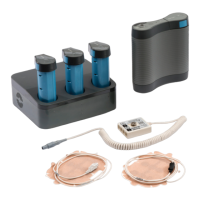
• Optune
®
together with systemic chemotherapy
Radiation therapy and cancer drugs can allow patients to live longer than if they had no treatment. Adding Optune to
temozolomide can allow patients to live even longer than with temozolomide alone. Radiation and cancer drugs have
side eects. These side eects include hair loss, skin irritation, possible hearing problems, nausea, vomiting, loss of
appetite, eects related to the brain, and tiredness.
When Brain Cancer Returns (Recurrence of Brain Cancer)
GBM can come back even with operations and the treatments described above. In these cases, some of the above
treatments (operation, radiation and cancer drugs) may still work to treat the cancer. However, in some cases,
operations and radiation will no longer work for the patient. In those cases, doctors may use a systemic cancer drug
treatment, or, alternatively once a patient has had treatment with a cancer drug, Optune.
\\DC - 099263/000001 - 12620961 v1


 To Next Page