EasyManua.ls Logo

Philips DSC 950 - Automatic Stop

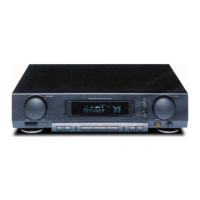
Philips DSC 950
13 pages
Print Icon
To Next Page IconTo Next Page
To Previous Page IconTo Previous Page
Loading...
are
then
accessible.
_
.
_.
a
o
|
All
products
of
ce
Nee
series
oo
an
own
remote
control,
|
eo
ha
op
your
D
oe
Make
Sl
ure
that
th
sar
tenner
atta
etter
trae
tetera
nnn
nnn
nnn
Of
equipment
connected
via
the
ES!
sockets
to
the
DSC950
the
source
is
automatically
selected
by
pressing
any
button
that
activates
the
play
function
e.g.
PLAY,
SCAN,
PRESET.
e.g.:
When
you
press
the
PLAY
key
on
your
CD
while
listening
to
your
tuner,
the
source
CD
will
be
selected.
AUTOMATIC
STOP
When
the
selected
source
is
in
the
play
mode,
it
will
always
be
stopped
automatically
as
soon
as
another
source
|s
selected.
e.g.:
When
you
select
the
source
TUNER
with
the
SOURCE
SELECT
button
while
listening
to
your
CD,
the
CD
player
will
be
stopped.
DUBBING
If
CD
SYNCHRO
its
pressed
on
your
cassette
deck
then
the
dubbing
is
done
via
the
analog
record
selector.
(the
recording
indicator
on
the
display
will
remain
fixed
on
CD)
lf
CD
SYNCHRO
is
pressed
on
the
DCC
then
the
dubbing
is
done
via
the
digital
or
analog
selector
depending
on
the
connections
(analog/digital)
that
are
made.
If
the
recording
source
is
changed
with
the
REC.OUT
key
14,
dubbing
will
be
cancelled.
When
asecond
dubbing
request
of
another
source
(e.g.
DCC)
is
received,
the
first
dubbing
will
be
cancelled.
Further
information
can
be
found
in
the
instructions
for
use
of
your
cassette
deck
or
DCC.
TIMER
When
making
use
of
the
timer
function
of
your
Philios
900
series
tuner
(e.g.
FT930)
the
DSC
has
tobe
in
standby.
A
timer
request
will
be
disregarded
if
the
DSC
is
activated.
The
timer
function
can
be
used
as
e.g.
a
wake
up
function
or
to
make
an
unattended
recording
at
a
specific
time.
:
Further
information
can
be
found
in
the
instructions
for
use
of
your
tuner.
PROCESSED/UNPROCESSED
RECORDING
OR
LISTENING
When
a
DSP
(Digital
Signal
Processor)
is
connected
to
the
system
via
the
ESI
sockets
it
is
possible
to
make
a
processed
or
unprocessed
recording
or
to
listen
processed
or
unprocessed.
Further
information
can
be
found
in
the
instructions
for
use
of
your
DSP.

Related product manuals