PuraTech
®
Owner’s Manual 12/11/2013 8
Checklist Before Installation
Refer to this checklist before installation.
Water Quality—If the water supply contains sand, sulfur, bacteria, iron bacteria, tannins, algae, oil, acid, or
other unusual substances, pre-treat the water to remove these contaminants before the water supply enters the
appliance, unless the appliance is represented as being capable of treating these contaminants in its
specifications.
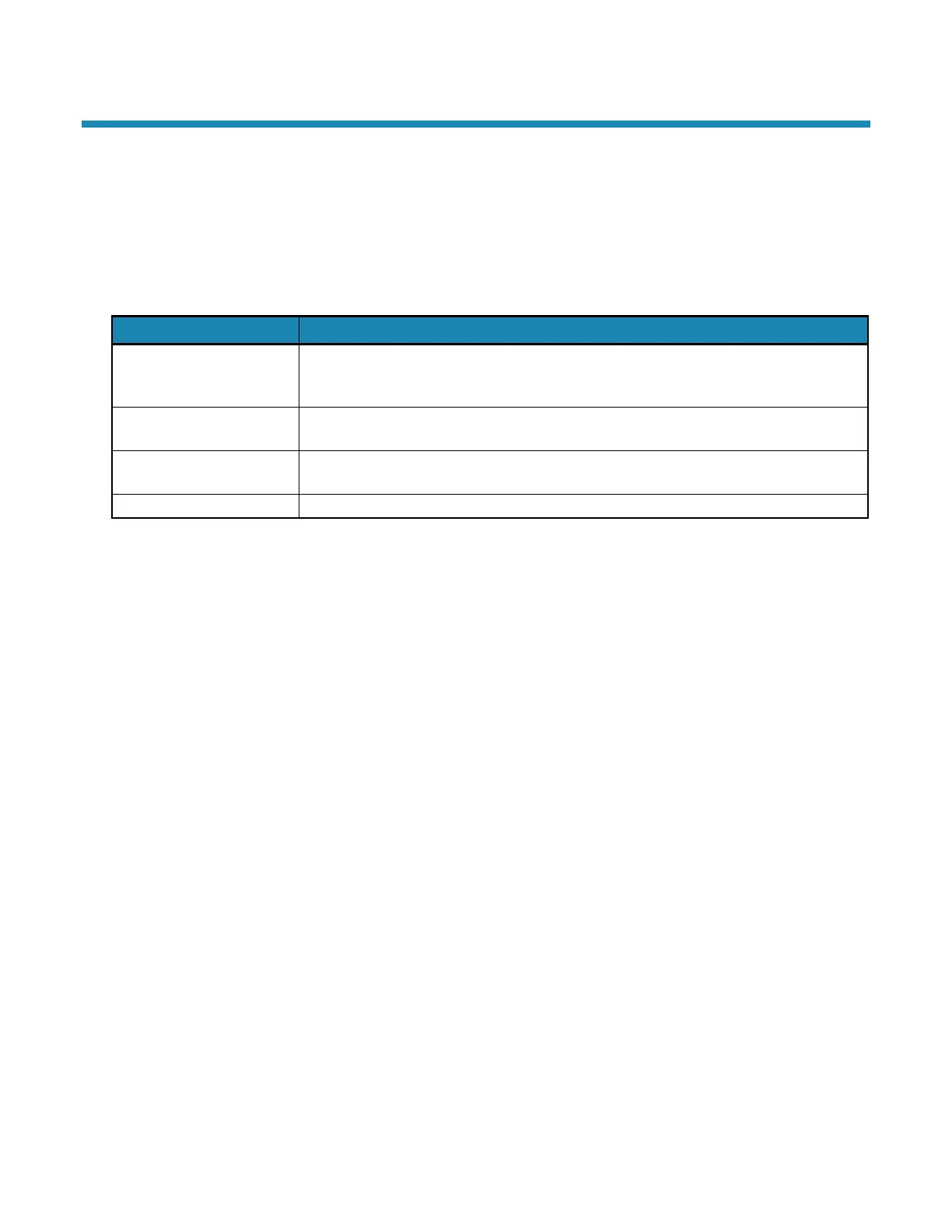
Iron—A common problem found in many water supplies is iron. It is important to know what type of and how
much iron is in the water supply.
(sometimes called clear
Only type of iron that can be treated with a water softener
Ferric Iron
Insoluble and the particles can eventually foul a resin bed. It should be filtered out before
the water reaches the softener
Organic Iron or Bacterial
Iron
Attached to other organic compounds in the water. Additional treatment is needed to
remove this type of iron
Not dissolved, yet stays in suspension. A softener cannot remove this type of iron
* If the water supply contains ferrous iron, a commercially available resin bed cleaner should be used every six months. Follow the
instructions on the container. You should also increase the water hardness setting by 5 grains per gallon (86 mg/L) for every
1 ppm (mg/L) of ferrous iron.
Water Characteristics—The 5100 Water Softeners require a pH of 7 or above to function properly. An iron test
to determine iron levels is also necessary.
Water Hardness—Double check the hardness of water to verify that the appliance is right for the job. See
Water Conditioner Specifications.
Water Pressure—Not less than 20 psi (1.4 bar) or greater than 120 psi (8.3 bar) constant. If water pressure
exceeds 70 psi (4.8 bar), a pressure regulator is recommended.
Water Supply Flow Rate—A minimum of 2.4 gallons (9.1 L) per minute is recommended. For the purposes of
plumbing sizing, only the rated service flow rate and corresponding pressure loss may be used. Prolonged
operation of a water conditioner at flow rates exceeding the tested service flow rate may compromise
performance.
Water Temperature—Not less than 40°F (4°C) or greater than 120°F (49°C).
Drain—Drain the appliance to an appropriate drain, such as a floor drain or washer drain that will comply with
all local and state plumbing codes. To prevent back-siphoning, provide an adequate air gap or a siphon break.
See Installation Steps and Start-Up Procedures.
Electricity—The transformer supplied is for a standard 115 volt, 60-cycle AC outlet for locations in North
America or 220 volt, 50-cycle AC outlet for locations outside North America.
NSTALLATION AND
AINTENANCE
NFORMATION



 To Next Page