32
Section 5
WARNING
Do not operate the machine without the operator
cushion installed.
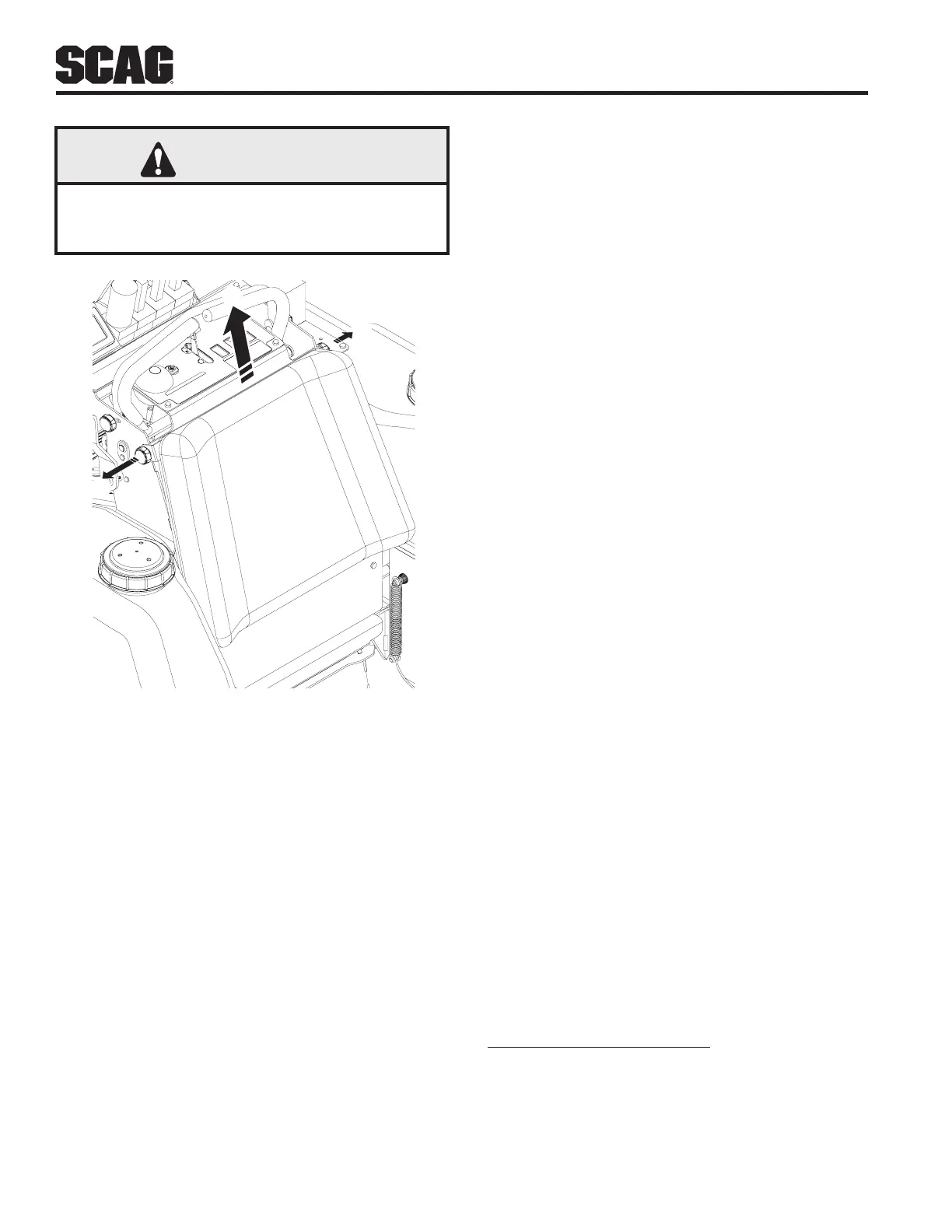
Figure 5-3. Operator Cushion and Rear Cover
Removal
5.7 CALIBRATING THE SPRAYER
1. The sprayer system will need to be calibrated at the
beginning of each season, when the application rate
changes, and multiple times during the season (to
accomodate for wear depending on the chemicals
used, some chemicals are harder on nozzles than
others).
2. Make sure the sprayer is properly calibrated for the
desired application rate. Different chemicals may have
different application rates, the machine will need to be
re-calibrated for each chemical(refer to the chemical
manufacturer's directions for application rate).
3. To calibrate the sprayer, first, make sure the sprayer
system is clean and free from build up.
4. The sprayer should always be calibrated with the tank
half full (to simulate average load weight) of clean
water.
5. When calibrating the sprayer system the operator will
need to know the speed of the machine, the amount
of product coming out of the nozzles, and the effective
spray width being used.
- NOTE -
The spray calibration work sheet on page 37 can
be used to work through the calibration process
and stored for future reference.
6. You should set the sprayer up to reach the desired
application rate. Refer to the spray guide chart in
Section 5-11 for a base setting (the spray guide chart
should only be used as a base setting, MANUAL
calibration is always best).
7. The first thing to calculate would be the machine speed
(mph). This can be done using the machines display, or
manually, using steps 8-11. Manual calculation should
be done periodically to make sure the display reads
accurately.
8. To calculate this you will need to establish a test course
length (ft). The test course should be a straight open
and level area free of obstructions. The longer the
course the more accurate it will be.
- NOTE -
The course speed may vary from asphalt to turf.
It is recommended to use a turf course for speed
calibration.
9. Drive this course with the machine at a spraying speed
throughout the entire distance of the course, record
the amount of time it takes. Repeat this process three
times.
10. Take the average time to travel the distance (add up
the three times and divide by 3 to get the average)
11. To calculate the ground speed, use the formula in
Figure 5-4. Make sure this number is the same as the
displayed mph on the machine's display.
Course Length (ft) x 60
Course Time Average (Seconds) x 88
=Ground Speed (mph)
Figure 5-4. Ground Speed Formula



 To Next Page