EasyManua.ls Logo

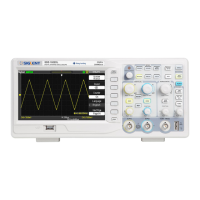
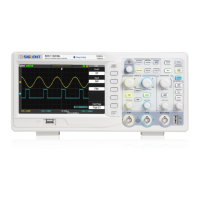
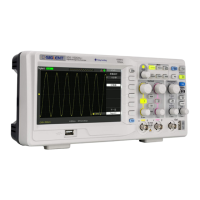
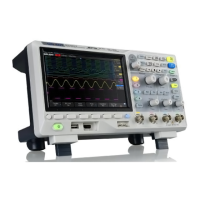
SIGLENT SDS1052DL - User Manual

SIGLENT SDS1052DL
61 pages
Print Icon
To Next Page IconTo Next Page
Loading...
Service Manual
SDS1000CML/CNL/DL
Series Digital Oscilloscope
2013 SIGLENT TECHNOLOGIES CO., LTD

Questions and Answers

Summary

General Safety Summary

Safe Operation Practices

Covers power cord, grounding, probe connection, fuse, covers, and exposed circuits.

Environmental and Failure Precautions

Covers operating with suspected failures, wet conditions, explosive atmospheres, and surface care.

General Features and Specifications

Specifications

Detailed technical specifications for the SDS1000CML/CNL/DL oscilloscope series.

Probe Compensation

Steps for Probe Compensation

Detailed steps to properly compensate the oscilloscope probe for accurate measurements.

Self Calibration

Performing Self Calibration

Procedure to optimize signal path and measurement precision, especially after temperature changes.

Interface Test

USB Device Test

RS-232 Test

Pass;Fail Test

Performance Test

Self Calibration

Performing self-calibration again if temperature changes by more than 5°C.

DC Gain Accuracy Verification

DC Gain Accuracy Test Procedure

Steps to verify the DC Gain Accuracy of the oscilloscope channels.

Bandwidth Verification

Bandwidth Test Procedure

Steps to test the bandwidth of the oscilloscope at specific frequencies and amplitudes.

Time Base Accuracy Verification

Time Base Accuracy Test Procedure

Steps to check the time base accuracy using a sine wave generator.

Trigger Sensitivity Verification

Trigger Sensitivity Test Procedure

Steps to test trigger sensitivity at 100KHz, 10MHz, and bandwidth.

Adjusting Procedures

Warming up

Requirement to warm up oscilloscope and test equipment for 30 minutes before adjustments.

Self calibration

Internal routine to optimize circuits affecting sensitivity, offset, and trigger parameters.

Required Equipments

List of PC, software, and test instruments needed for adjustment procedures.

Adjusting steps

Steps to connect FLUKE 9500B with PC and oscilloscope for adjustments.

Assembly Procedures

Removing the Power Supply Module

Removing the Metal Shelf

Removing the Main Board Module

Removing the Display Module

Removing the Keypad Module

Troubleshooting

General Troubles

Common issues like dark screen, no waveform, unstable waveform, and incorrect amplitude.

Troubleshooting the Hardware Failures

ESD Precautions

Precautions to avoid damage to components from electrostatic discharge during testing.

Troubleshooting Flowchart

Hardware Troubleshooting Flowchart

A flowchart to guide troubleshooting of power board, main board, keyboard, and LCD.

Check the Power Supply

Power Supply Testing Procedure

Steps for testing power supply voltages and ripple.

Check the Main Board

Check the Display Module

Display Module Testing

Procedures to test the display module, backlight inverter, and related voltages.

Quick Guide for General Hardware Failures

Troubleshooting General Hardware Failures

Table linking common hardware failures to their methods of resolution.

Replaceable Parts

Summary

General Safety Summary

Safe Operation Practices

Covers power cord, grounding, probe connection, fuse, covers, and exposed circuits.

Environmental and Failure Precautions

Covers operating with suspected failures, wet conditions, explosive atmospheres, and surface care.

General Features and Specifications

Specifications

Detailed technical specifications for the SDS1000CML/CNL/DL oscilloscope series.

Probe Compensation

Steps for Probe Compensation

Detailed steps to properly compensate the oscilloscope probe for accurate measurements.

Self Calibration

Performing Self Calibration

Procedure to optimize signal path and measurement precision, especially after temperature changes.

Interface Test

USB Device Test

RS-232 Test

Pass;Fail Test

Performance Test

Self Calibration

Performing self-calibration again if temperature changes by more than 5°C.

DC Gain Accuracy Verification

DC Gain Accuracy Test Procedure

Steps to verify the DC Gain Accuracy of the oscilloscope channels.

Bandwidth Verification

Bandwidth Test Procedure

Steps to test the bandwidth of the oscilloscope at specific frequencies and amplitudes.

Time Base Accuracy Verification

Time Base Accuracy Test Procedure

Steps to check the time base accuracy using a sine wave generator.

Trigger Sensitivity Verification

Trigger Sensitivity Test Procedure

Steps to test trigger sensitivity at 100KHz, 10MHz, and bandwidth.

Adjusting Procedures

Warming up

Requirement to warm up oscilloscope and test equipment for 30 minutes before adjustments.

Self calibration

Internal routine to optimize circuits affecting sensitivity, offset, and trigger parameters.

Required Equipments

List of PC, software, and test instruments needed for adjustment procedures.

Adjusting steps

Steps to connect FLUKE 9500B with PC and oscilloscope for adjustments.

Assembly Procedures

Removing the Power Supply Module

Removing the Metal Shelf

Removing the Main Board Module

Removing the Display Module

Removing the Keypad Module

Troubleshooting

General Troubles

Common issues like dark screen, no waveform, unstable waveform, and incorrect amplitude.

Troubleshooting the Hardware Failures

ESD Precautions

Precautions to avoid damage to components from electrostatic discharge during testing.

Troubleshooting Flowchart

Hardware Troubleshooting Flowchart

A flowchart to guide troubleshooting of power board, main board, keyboard, and LCD.

Check the Power Supply

Power Supply Testing Procedure

Steps for testing power supply voltages and ripple.

Check the Main Board

Check the Display Module

Display Module Testing

Procedures to test the display module, backlight inverter, and related voltages.

Quick Guide for General Hardware Failures

Troubleshooting General Hardware Failures

Table linking common hardware failures to their methods of resolution.

Replaceable Parts

SIGLENT SDS1052DL Specifications

General IconGeneral
Bandwidth50 MHz
Channels2
Sample Rate500 MSa/s
Memory Depth32 Kpts
Vertical Resolution8 bit
Timebase Range5 ns/div to 50 s/div
Trigger TypesEdge, Pulse, Video, Slope, Alternate
Input CouplingAC, DC, GND
Max Input Voltage400 V (DC + AC peak)
Display7 inch TFT LCD
Vertical Sensitivity2 mV/div - 5 V/div
InterfacesUSB Host, USB Device
Input Impedance1 MΩ
Power Supply100-240 VAC

Related product manuals