EasyManua.ls Logo

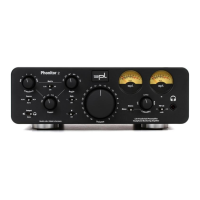
SPL Phonitor 2 1280 - User Manual

SPL Phonitor 2 1280
34 pages
Print Icon
To Next Page IconTo Next Page
Loading...
Manual
Phonitor 2
120 Volt Amplifier for Headphones, Active Speakers and Power Amps
Models 1280/1281
Version 2.2 – 03 /2016
Question and Answer IconNeed help?

Do you have a question about the SPL Phonitor 2 1280 and is the answer not in the manual?

Summary

Declaration of CE Conformity

Notes on Environmental Protection

Contact

Symbols and Notes

Scope of Delivery

Important Security Advices

Hook Up

Before You Begin

Prepare the unit for operation by checking voltage and placing it on a stable surface.

Introduction

Phonitor

Overview of the first Phonitor headphone amplifier and its 120-volt technology.

The New Heart Of Music Playback: Phonitor 2

Details the Phonitor 2 as a stereo preamp and its advanced technical specifications.

The Two Sides Of The 120 Volt Amp

Explains the Phonitor 2's dual role as headphone preamp and loudspeaker output device.

Remote Control

Details how the Phonitor 2 can be controlled remotely using IR remote controls.

Home Listening

Describes the Phonitor 2's utility as a central control unit for home audio playback.

Sound Engineers

Highlights the Phonitor 2's role as a monitoring controller for professional audio use.

120 Volt Technology

Explains the core 120-volt technology enabling high performance and dynamic range.

Special Features

Lists key technical and sound features, including headphone compatibility and level adjustments.

Applications

Outlines various uses including preamplification, monitoring, and re-amping.

Tech Talk

Phonitoring: With And Without Magnifiers

Discusses headphone monitoring techniques and their comparison to loudspeaker monitoring.

The End Of Ear Fatigue

Explains how standard headphone amplifiers can cause fatigue and how Phonitor 2 mitigates this.

120 Volt operating voltage and its effects

Compares 120-volt technology with lower voltage circuits using diagrams of performance metrics.

Rear Panel: Power

Voltage Select

Instructions on how to select the correct voltage for the unit based on local power grids.

Power Connection

Details on connecting the power cord and its compliance with safety standards.

On;Off Switch

Information on using the rear panel power switch and general connection precautions.

Rear Panel: Wiring

Sources

Description of the three source inputs for connecting audio devices.

Output

Details on the output connections for active speakers, power amps, and headphones.

Learn Mode for Remote Controls

Instructions on how to set up the unit to learn commands from an IR remote control.

Rear Panel: Signals & Remote Control

Signal Connections

General information about input and output connectors, emphasizing safety during connections.

XLR Sockets

Details on the pin wiring of balanced XLR sockets and how to wire for unbalanced connections.

Connecting XLR to other socket formats

Guidance on making unbalanced connections from/to RCA or TS sockets using XLR.

Learn Button: Learn a remote control

Step-by-step guide to program the Phonitor 2 to respond to a user's remote control.

Bottom: DIP Switches

Output level adjustment

Explanation of DIP switches for adjusting output levels and RCA input conversion.

Phonitor 2 Insert Loop

Describes the Insert Loop mode for routing the input signal directly to the line output.

Matrix activation for the XLR outputs

Details on using Switch 5 to activate the Phonitor Matrix for XLR outputs.

Front Panel: Connection

Headphone Connection

Instructions on connecting headphones to the 1/4" TRS stereo plug on the front panel.

Recommendations

Advice on reducing volume before plugging/unplugging headphones to prevent clicks.

Warning

Crucial warning against using mono connectors to avoid damaging the amplifier stage.

Control Elements

Crossfeed

Adjusts frequency-dependent crossfeed simulation for stereo imaging, affecting interaural level difference.

Angle

Adjusts stereo image width via interaural time difference simulation, affecting temporal cues.

Interaural Level and Time Differences as Related to Crossfeed Setup

Diagrams illustrating interaural differences at maximum and minimal Crossfeed settings.

Interaural Level and Time Differences as Related to Angle Setup

Diagrams showing interaural differences at maximum Crossfeed with varying Angle settings.

Crossfeed and Angle Parameters

A table detailing parameters for Crossfeed, Level, Time Diff., and Speaker Angle results.

Source

Explanation of the three source input selections available on the Phonitor 2.

Output

Details on merging output selection and mute options for headphones or speakers.

Cr;A, Off, All

Controls for activating/deactivating Crossfeed, Angle, and Center functions globally.

Center

Regulates center signal intensity to compensate for stereo processing effects like Crossfeed.

VU Meter

Describes the input level VU meter, its calibration, ballistics, and integration time.

VU Cal.

Explains the switch to change the sensitivity range of the VU display by +6 dB.

Solo

Allows monitoring of individual left (L) or right (R) channels, or stereo (OFF).

Phase Ø

Control for reversing the phase of the left or right channel for monitoring tests.

Stereo and Mono

Toggle switch for stereo monitoring or mono summing of channels.

Laterality

Compensates perceived volume differences between channels, often due to hearing loss.

Volume

Controls the signal level from 0 to -97 dB using a high-grade motorized potentiometer.

Operation

Adjust Headphone Reproduction To Loudspeaker Monitoring

Guide to configuring the Phonitor 2 for accurate loudspeaker-like headphone monitoring.

Specifications

Measurements

Frequency Response

Graph and text detailing the frequency response of the headphone output from 10 Hz to 480 kHz.

Phase Response Input vs. Output, Left and Right Channel

Measurement of phase deviation in the upper frequency range, showing minimal audible effects.

THD vs. Output Level (W)

Analysis of THD values across the complete output level range for the headphone output.

THD vs. Frequency

Measurement of THD+N versus frequency for the headphone output, showing extremely low values.
Copy Master: Recall Sheet

Summary

Declaration of CE Conformity

Notes on Environmental Protection

Contact

Symbols and Notes

Scope of Delivery

Important Security Advices

Hook Up

Before You Begin

Prepare the unit for operation by checking voltage and placing it on a stable surface.

Introduction

Phonitor

Overview of the first Phonitor headphone amplifier and its 120-volt technology.

The New Heart Of Music Playback: Phonitor 2

Details the Phonitor 2 as a stereo preamp and its advanced technical specifications.

The Two Sides Of The 120 Volt Amp

Explains the Phonitor 2's dual role as headphone preamp and loudspeaker output device.

Remote Control

Details how the Phonitor 2 can be controlled remotely using IR remote controls.

Home Listening

Describes the Phonitor 2's utility as a central control unit for home audio playback.

Sound Engineers

Highlights the Phonitor 2's role as a monitoring controller for professional audio use.

120 Volt Technology

Explains the core 120-volt technology enabling high performance and dynamic range.

Special Features

Lists key technical and sound features, including headphone compatibility and level adjustments.

Applications

Outlines various uses including preamplification, monitoring, and re-amping.

Tech Talk

Phonitoring: With And Without Magnifiers

Discusses headphone monitoring techniques and their comparison to loudspeaker monitoring.

The End Of Ear Fatigue

Explains how standard headphone amplifiers can cause fatigue and how Phonitor 2 mitigates this.

120 Volt operating voltage and its effects

Compares 120-volt technology with lower voltage circuits using diagrams of performance metrics.

Rear Panel: Power

Voltage Select

Instructions on how to select the correct voltage for the unit based on local power grids.

Power Connection

Details on connecting the power cord and its compliance with safety standards.

On;Off Switch

Information on using the rear panel power switch and general connection precautions.

Rear Panel: Wiring

Sources

Description of the three source inputs for connecting audio devices.

Output

Details on the output connections for active speakers, power amps, and headphones.

Learn Mode for Remote Controls

Instructions on how to set up the unit to learn commands from an IR remote control.

Rear Panel: Signals & Remote Control

Signal Connections

General information about input and output connectors, emphasizing safety during connections.

XLR Sockets

Details on the pin wiring of balanced XLR sockets and how to wire for unbalanced connections.

Connecting XLR to other socket formats

Guidance on making unbalanced connections from/to RCA or TS sockets using XLR.

Learn Button: Learn a remote control

Step-by-step guide to program the Phonitor 2 to respond to a user's remote control.

Bottom: DIP Switches

Output level adjustment

Explanation of DIP switches for adjusting output levels and RCA input conversion.

Phonitor 2 Insert Loop

Describes the Insert Loop mode for routing the input signal directly to the line output.

Matrix activation for the XLR outputs

Details on using Switch 5 to activate the Phonitor Matrix for XLR outputs.

Front Panel: Connection

Headphone Connection

Instructions on connecting headphones to the 1/4" TRS stereo plug on the front panel.

Recommendations

Advice on reducing volume before plugging/unplugging headphones to prevent clicks.

Warning

Crucial warning against using mono connectors to avoid damaging the amplifier stage.

Control Elements

Crossfeed

Adjusts frequency-dependent crossfeed simulation for stereo imaging, affecting interaural level difference.

Angle

Adjusts stereo image width via interaural time difference simulation, affecting temporal cues.

Interaural Level and Time Differences as Related to Crossfeed Setup

Diagrams illustrating interaural differences at maximum and minimal Crossfeed settings.

Interaural Level and Time Differences as Related to Angle Setup

Diagrams showing interaural differences at maximum Crossfeed with varying Angle settings.

Crossfeed and Angle Parameters

A table detailing parameters for Crossfeed, Level, Time Diff., and Speaker Angle results.

Source

Explanation of the three source input selections available on the Phonitor 2.

Output

Details on merging output selection and mute options for headphones or speakers.

Cr;A, Off, All

Controls for activating/deactivating Crossfeed, Angle, and Center functions globally.

Center

Regulates center signal intensity to compensate for stereo processing effects like Crossfeed.

VU Meter

Describes the input level VU meter, its calibration, ballistics, and integration time.

VU Cal.

Explains the switch to change the sensitivity range of the VU display by +6 dB.

Solo

Allows monitoring of individual left (L) or right (R) channels, or stereo (OFF).

Phase Ø

Control for reversing the phase of the left or right channel for monitoring tests.

Stereo and Mono

Toggle switch for stereo monitoring or mono summing of channels.

Laterality

Compensates perceived volume differences between channels, often due to hearing loss.

Volume

Controls the signal level from 0 to -97 dB using a high-grade motorized potentiometer.

Operation

Adjust Headphone Reproduction To Loudspeaker Monitoring

Guide to configuring the Phonitor 2 for accurate loudspeaker-like headphone monitoring.

Specifications

Measurements

Frequency Response

Graph and text detailing the frequency response of the headphone output from 10 Hz to 480 kHz.

Phase Response Input vs. Output, Left and Right Channel

Measurement of phase deviation in the upper frequency range, showing minimal audible effects.

THD vs. Output Level (W)

Analysis of THD values across the complete output level range for the headphone output.

THD vs. Frequency

Measurement of THD+N versus frequency for the headphone output, showing extremely low values.

Copy Master: Recall Sheet

SPL Phonitor 2 1280 Specifications

General IconGeneral
BrandSPL
ModelPhonitor 2 1280
CategoryAmplifier
LanguageEnglish

Related product manuals