Installation, Operation, and Maintenance Manual
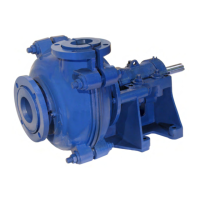
SUMMIT PUMP MODEL SP 6
PIPING CONNECTION – SUCTION / DISCHARGE
Connect piping in a manner that is as short and direct as possible. Independent pipe
supports and anchors must be used in all installations. Never support piping with pump
flanges.
SUCTION PIPING
Never use suction piping smaller than the suction flange size. Use pipe one to two sizes
larger than the pump suction with an eccentric reducer at the pump suction flange. Install
reducer flat side on top if the suction side incurs a lift. Place the flat side on the bottom if
the suction side is flooded.
Elbows at the pump suction should be avoided. If used, the vertical position is the only
acceptable position. Horizontal positioning where the elbow plane is parallel to the pump
shaft will result in excessive axial loads on the pump shaft and could lead to breakage.
If a horizontal elbow is used, it must be at least ten (10) suction pipe diameters from the
suction flange.
Shut off valves should be located as close as possible to the suction source, not at the
pump.
Do not throttle the pump using the suction
valve. This valve is for pump isolation
during maintenance.
Use valves specifically designed for slurry
liquids. Failure to do so could cause
damage to the pump.
Suction piping should be sized to ensure a flow velocity of Four (4) to Seven (7) feet per
second.
DISCHARGE PIPING
For a short run, use the same diameter pipe as the discharge flange pipe diameter. For a
long run, the discharge pipe should be one (1) to two (2) sizes larger than the discharge
flange diameter. If the larger size discharge pipe is used, install the pipe increaser
directly onto the pump discharge flange. A check valve (first) and isolation valve should
be installed in the discharge line. (The check valve prevents back flow during pump
shutdowns. The isolation valve is for pump isolation during maintenance.) If an
increaser is used, mount it directly on the pump discharge flange with the check and
isolation valve directly downstream.


 To Next Page