SECTION 6
NORMAL PROCEDURES
6 Introduction
Section 6 contains checklists and the procedures for normal operation.
6.1 Checklist Procedures
6.1.1 Pre-Flight Inspection
Before each flight, it is necessary to carry out a complete inspection of the aircraft starting with an external inspection
followed by an internal inspection.
6.1.1.1 Cabin Inspection
All required paperwork: ............................................................ ONBOARD
Weight and balance: .................................................................. CHECK
Safety belts used to lock controls: ............................................. CONNECTED TO HARD POINTS, CHECK CONDITION
Parking brake: ........................................................................... SET
Magnetos: .................................................................................. OFF
Master switch: ........................................................................... ON
Push to test on annunciator panel in order to verify all light are on
Navigation lights and strobe light: ............................................ CHECK
NOTE
Strobe lights won’t work without the engine running
Landing light: ............................................................................ CHECK
Fuel Tank levels: ....................................................................... CHECK
Master switch: ........................................................................... OFF
Baggage: .................................................................................... CHECK LUGGAGE FASTENED WITH RESTRAINT
NET
WARNING
Fuel level indicated by the fuel quantity indicators (on the instrument panel) is only indicative. For flight safety, pilot
should verify actual fuel quantity visually in tanks before takeoff.
6.1.1.2 External Inspection
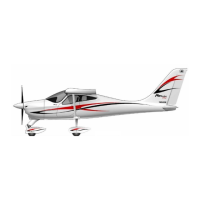
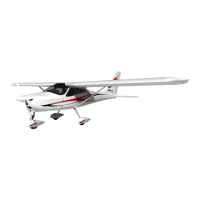
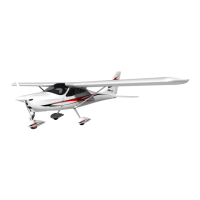
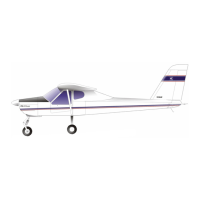
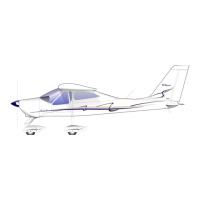
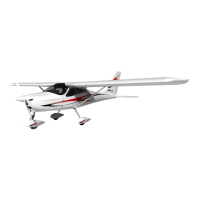
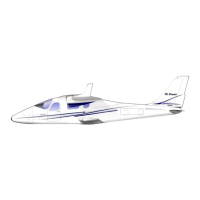
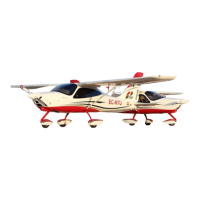
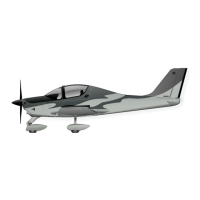
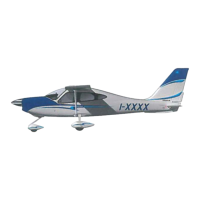
It is best to follow the external inspection in the station order outlined in fig. 6-1 so nothing is missed.
Visual inspection is defined as follows: check for defects, cracks, detachments, excessive play, and unsafe or improper
installation as well as for general condition. For control surfaces, visual inspection also involves additional checks for freedom
of movement and security.



 To Next Page