Need help?
Do you have a question about the Viqua UVMAX G and is the answer not in the manual?
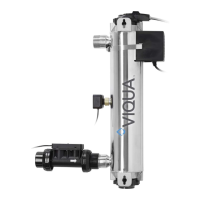
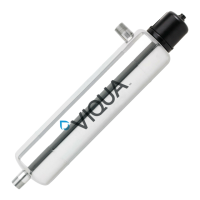
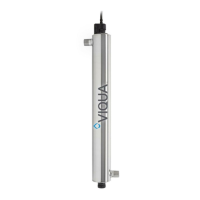
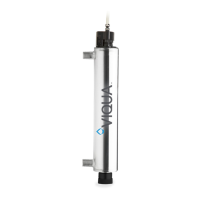
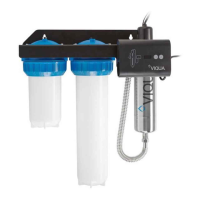
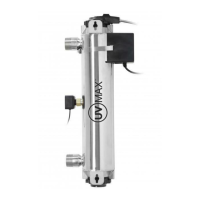
The UVMAX system is a water disinfection device that utilizes ultraviolet (UV) light to treat water. It is designed for residential and light commercial applications, ensuring that water passing through the system is free from harmful microorganisms. The system is available in several models, including G, H, J, K, G Plus, H Plus, J Plus, K Plus, Pro10, Pro20, Pro30, and Pro50, catering to various flow rates and disinfection needs.
The primary function of the UVMAX system is to disinfect water by exposing it to UV light. As water flows through the UV chamber, it passes by a UV lamp that emits germicidal UV-C radiation. This radiation penetrates the cell walls of bacteria, viruses, and other pathogens, disrupting their DNA and rendering them unable to reproduce or cause illness. This physical disinfection process is highly effective and does not introduce any chemicals into the water, making it a safe and environmentally friendly method of water treatment. The system is designed to provide continuous disinfection, ensuring that all water used in the home or facility is treated. The effectiveness of the disinfection is dependent on the intensity of the UV light and the contact time, both of which are carefully engineered within the UVMAX system. The UV lamps are specifically designed to emit UV-C light at a wavelength known to be most effective for germicidal action.
The UVMAX system is designed for ease of use and integration into existing plumbing systems. It operates automatically once installed, providing continuous disinfection without requiring constant user intervention. The system includes a power supply that connects to a standard electrical outlet. For safety, it is crucial to always shut off water flow and release water pressure before any servicing. Electrical safety is paramount, requiring the power supply to be unplugged and all electrical connections to be kept dry and off the ground. Users are cautioned never to touch the plug with wet hands. A critical safety feature is the warning never to look directly at the lamp when it is operating, as UV light can be harmful to eyes and skin. The system may include a solenoid, which is a representative component that controls water flow, though not all systems are equipped with one. The system is also designed to be user-friendly in terms of monitoring its operational status, with indicators or alerts to inform the user when maintenance, such as lamp replacement, is required. The system's certification by NSF International against NSF/ANSI Standard 55 for disinfection performance (Class A for Pro10, Pro20, and Pro30 models) assures users of its effectiveness and reliability in providing safe drinking water.
Regular maintenance is essential to ensure the continued effectiveness of the UVMAX system. Key maintenance tasks include sleeve cleaning and lamp replacement.
Sleeve Cleaning: Over time, minerals in the water can form a coating on the quartz sleeve that encases the UV lamp. This coating reduces the amount of UV light that can penetrate the water, thereby diminishing the system's disinfection performance. To address this, the sleeve must be cleaned periodically. The process involves shutting off water, depressurizing the chamber, and carefully removing the sleeve. A scale remover, such as CLR™ or Lime-Away™, along with a soft, lint-free, and chemical-free cloth (no clean-wipes), is recommended for cleaning. Cotton, latex, or plastic gloves are preferred for handling. It is crucial to ensure the quartz sleeve is not broken, cracked, or damaged during handling; if it cannot be completely cleaned or shows damage, it must be replaced. After cleaning, the sleeve is reinstalled, ensuring O-rings are wet with water and properly seated to prevent leaks.
Lamp Replacement: The UV lamp's ability to produce germicidal UV light decreases over time. To maintain optimal disinfection, the lamp must be replaced periodically, typically every 24 months. The system is designed to automatically notify the user when it's time for a lamp replacement. The replacement process involves disconnecting power, shutting off water, and depressurizing the chamber. The old lamp is carefully removed, avoiding direct contact with the glass of the new lamp, as oils from skin can create hot spots and reduce lamp life. The new lamp is then inserted and rotated completely. It is critical to never illuminate the UV lamp outside the UV chamber and to avoid looking directly at an illuminated lamp, even with protective gear. If accidental UV exposure occurs, the affected area should be cooled immediately, and a physician consulted.
General Maintenance and Safety: Before any maintenance, the system should be allowed to cool for at least 10 minutes, especially if the chamber has been hot due to no water flow, to prevent scalding. Electrical safety is paramount; the power supply must be unplugged, and all electrical connections kept dry. The UV lamp contains mercury, so if a lamp breaks, inhalation or ingestion of debris, and exposure to eyes and skin, must be avoided. A vacuum cleaner should not be used to clean up a broken lamp, as this can scatter mercury. Local regulations for mercury waste disposal must be followed. After maintenance, the water lines should be disinfected chemically, especially if there's a risk of downstream contamination. This involves adding bleach to the filter housing, allowing it to sit for at least four hours, and then flushing all water outlets until the smell of bleach is gone. Proper plumbing materials should be used to avoid material degradation from UV exposure. The system also includes a sensor that needs to be unplugged and re-plugged during certain maintenance steps, ensuring proper system function.
 General
| Type | UV Disinfection System |
|---|---|
| Application | Whole Home |
| Inlet/Outlet Port Size | 3/4" MNPT |
| Maximum Operating Pressure | 125 psi |
| Operating Temperature | 36-104°F (2-40°C) |
| Lamp Life | 9000 hours |
| UV Dose | 40 mJ/cm² |
| Voltage | 100-240V AC |
| Warranty | 1 year |

 To Next Page