4 Safety
100_0102_si_0003.fm 10
4 Safety
4.1 Principle
State of the art
This machine has been constructed with state-of-the-art technology according to the recognized rules of
safety. However, improper use can pose a risk to life and limb of the user and/or third parties, or cause
damage to the machine and other equipment.
4.2 Proper use
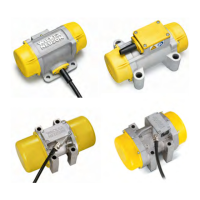
This machine, depending on its type, can be used only for the excitation of all types of molds and
formworks, vibratory tables, vibratory stands, compaction of fresh concrete and for mounting on
conveyor belts (silo).
Other special applications must be checked and released by Wacker Neuson.
Proper use also includes the observance of all notes and safety information contained in this manual, as
well as complying with the prescribed service and maintenance instructions.
Any other use is regarded as improper.
Any damage resulting from improper use will void the warranty and the liability on behalf of the
manufacturer. The operator assumes full responsibility.
Misuse particularly applies to:
Immersing the machine in fresh concrete.
Using the machine and the components of this machine as climbing aids.
Failure to observe instructions for vibratory tables, frequency converters, etc.
4.3 Structural modifications
Structural modifications must not be undertaken without the written consent of the manufacturer.
Structural changes without the consent of the manufacturer can pose a risk to users and/or third parties,
and also damage the machine.
The manufacturer's liability and warranty will also cease in the event of unauthorized structural
modifications.
Especially the following are cases of structural modifications:
Opening the machine and the permanent removal of components.
Installing components that do not originate from Wacker Neuson and are not equivalent in terms of
design and quality to the original components.
The addition of any type of accessory that does not originate from Wacker Neuson.
Spare parts or accessories that originate from Wacker Neuson can be safely mounted. They can be
found on the Internet under www.wackerneuson.com.
4.4 Operator responsibility
The operator is the person who operates this machine for commercial or economic purposes, or who
hands it over for use/application by a third party, and who bears legal product responsibility during
operation for the protection of staff or third parties.
The operating company must make the manual available to staff at any time and ensure that operatives
have read and understood the manual.
4.5 Operating company responsibilities
Know and implement applicable occupational safety provisions.
Investigate dangers in a risk assessment based on working conditions at the site.
Produce operating instructions for this machine.
Regularly check that the operating instructions are up-to-date with the latest guidelines.
Clearly regulate and specify responsibilities for installation, use, troubleshooting, maintenance and
cleaning.
NOTE
Notes and safety information in this chapter apply to all machine types described in this
manual.



 To Next Page