EasyManua.ls Logo

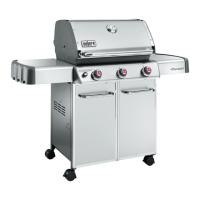
Weber GENESIS S-415 - User Manual

Weber GENESIS S-415
28 pages
Print Icon
To Next Page IconTo Next Page
Loading...
8651850_020924 enUS
Installation and Assembly
m DANGER: This grill is not intended to be installed in or on
recreational vehicles or boats.
m WARNING: Do not use this grill unless all parts are in place
and the grill was properly assembled according to the
assembly instructions.
m WARNING: Do not build this model of grill in any built-in or
slide-in construction.
m WARNING: Do not modify the appliance (grill). Liquid
propane gas is not natural gas. The conversion or
attempted use of natural gas in a liquid propane gas unit or
liquid propane gas in a natural gas unit is unsafe and will
void your warranty.
• In the United States, installation must conform with local
codes or, in the absence of local codes, with either the National
Fuel Gas Code, ANSI Z223.1/NFPA 54, Natural Gas and
Propane Installation Code, CSA B149.1; or Propane Storage
and Handling Code, B149.2; or the Standard for Recreational
Vehicles, ANSI A119.2/NFPA 1192, and CSA Z240 RV Series,
Recreational Vehicle Code, as applicable.
• InCanada, the installation of this grill must comply with local
codes and/or the latest edition of Standard CAN/CSA-B149.2
(Propane Storage and Handling Code). These instructions,
while generally acceptable, do not necessarily comply with the
Canadian installation codes, particularly with piping above and
below ground.
• In Mexico, if there are local codes that apply to portable gas
appliances, you must comply with the latest edition of Ocial
Mexican Standard (NOM).
• If an external electrical source is utilized (such as a rotisserie)
it must be electrically grounded in accordance with local
codes or, in the absence of local codes, with the National
Electrical Code, ANSI/NFPA 70, or the Canadian Electrical
Code, Part 1, CSA C22.1.
Operation
m DANGER: Only use the grill outdoors in a well-ventilated
area. Do not use in a garage, building, breezeway,
tent, any other enclosed area, or beneath overhead
combustibleconstruction.
• An appliance is considered to be outdoors if installed with
shelter no more inclusive than with walls on three sides, but
with no overhead cover; all openings must be permanently
open; sliding doors, garage doors, windows, or screened open-
ings are not considered as permanent openings.
• An appliance is considered to be outdoors if installed with
shelter no more inclusive than within a partial enclosure that
includes an overhead cover and no more than two sidewalls.
The sidewalls may be parallel, as in a breezeway, or at right
angles to each other; all openings must be permanently open;
sliding door, garage doors, windows, or screened openings are
not considered as permanent openings.
• An appliance is considered to be outdoors if installed with
shelter no more inclusive than within a partial enclosure that
included an overhead cover and three sidewalls, as long as
30% or more of the horizontal periphery of the enclosure is
permanently open. All openings must be permanently open;
sliding doors, garage doors, windows, or screened openings
are not considered as permanent openings.
• The minimum ambient operating temperature for safe use of
the appliance shall be 0° F (-17° C).
m DANGER: Do not use the grill in any vehicle or in any
storage or cargo area of any vehicle. This includes, but
is not limited to, cars, trucks, station wagons, mini-vans,
sport utility vehicles, recreational vehicles, andboats.
m DANGER: Do not use the grill within 24 inches (61 cm) of
combustible materials.
m DANGER: Keep the cooking area clear of flammable vapors
and liquids such as gasoline, alcohol, etc., and combustible
materials.
m DANGER: The grill is not intended for and should never be
used as a heater.
m DANGER: This appliance (grill) must be kept away from
flammable materials during use.
Keep this Owners Manual for future reference, thoroughly read
through it, and if you have any questions please contact us today.
LP Owners Manual
REGISTER TODAY
Register your gas grill and receive special content to make
you the ultimate backyard hero.
Scan the QR Code or register online at weber.registria.com
m DANGER
If you smell gas:
Shut o gas to the appliance
(grill).
Extinguish any open flame.
Open lid.
If odor continues, keep away
from the appliance (grill)
and immediately call your
gas supplier or your fire
department.
m WARNING
Do not store or use gasoline
or other flammable liquids or
vapors in the vicinity of this
(grill) or any other appliance.
An LP cylinder (tank) not
connected for use shall not
be stored in the vicinity of this
(grill) or any other appliance.
USE OUTDOORS ONLY.
READ THE INSTRUCTIONS BEFORE USING THE
APPLIANCE (GRILL).
NOTICE TO INSTALLER: These instructions
must be left with the consumer.
NOTICE TO CONSUMER: Retain these
instructions for future reference.
Important SafetyInformation
DANGER, WARNING, and CAUTION
statements are used throughout this
Owner's Manual to emphasize critical and
important information. Read and follow
these statements to help ensure safety and
prevent property damage. Thestatements
are defined below.
m DANGER: Indicates a hazardous situation
which, if not avoided,
will result in death or seriousinjury.
m WARNING: Indicates a hazardous situation
which, if not avoided,
could result in death or seriousinjury.
m CAUTION: Indicates a hazardous situation
which, if not avoided,
could result in minor or moderateinjury.
Write your grill's serial number in the box above for future reference.
The serial number is on the data label located on the grill.
Serial Number
S-315 • S-415 • E-325 • SA-E-325• SP-S-325
E-330 • SA-E-330
E-335 • S-335 • E-335C • S-335C
SP-E-335 • SP-S-335
Question and Answer IconNeed help?

Do you have a question about the Weber GENESIS S-415 and is the answer not in the manual?

Summary

Important Safety Information

Hazard Definitions and Warnings

Explains DANGER, WARNING, and CAUTION terms and general safety advice.

Installation and Assembly Guide

Installation Requirements

Outlines requirements for safe installation, including local codes and outdoor use.

Initial Grill Operation

Outdoor Use and Ventilation

Specifies requirements for safe outdoor operation and ventilation.

Limited Warranty Information

Warranty Terms and Owner Duties

Details warranty coverage, periods, and owner responsibilities for maintaining coverage.

Warranty Claims and Exclusions

Outlines the process for making warranty claims and conditions that void the warranty.

LP Gas and Connections

LP Gas Handling and Tank Requirements

Information on LP gas, safe tank handling, and required tank specifications.

LP Tank Installation Procedure

Installing and Inspecting the LP Tank

Step-by-step guide for safely installing the LP tank and checking its valve.

Refilling or Replacing LP Tanks

LP Tank Removal Procedure

Instructions for safely disconnecting and removing the LP tank from the grill.

Gas Leak Checking Procedures

Performing Gas Leak Checks

Detailed instructions for checking gas connections for leaks using soap and water.

Hose and Connection Inspection

Guidance on inspecting gas hoses and connections for damage before and during use.

Grill Operation Guide

Igniting Main Burners

Step-by-step process for igniting the grill's main burners using the electronic ignition system.

Preheating and Sear Zone Use

Importance of preheating and how to use the sear zone feature for optimal cooking.

Extinguishing Burners Safely

Procedure for safely turning off the grill's burners and main gas supply.

Side Burner Operation

Igniting the Side Burner

Instructions for igniting the side burner using the electronic ignition system.

Cleaning and Maintenance Guide

Cleaning Interior Grill Components

How to clean the lid, cooking grates, flavorizer bars, burners, and heat deflectors.

Product Care and Cleaning

Cookbox and Grease System Cleaning

Steps for cleaning the cookbox interior and the grease management system components.

Exterior Surface Cleaning

Recommended methods for cleaning stainless steel, painted, and plastic exterior surfaces.

Spider Screen Maintenance

Importance of cleaning spider screens for burner performance and preventing clogs.

Grill Features Overview

High Performance Grilling System

Details the components and benefits of the high-performance grilling system.

Key Grill Features Explained

Descriptions of various features like Prep & Serve Table, Built-In Thermometer, and WEBER CRAFTED.

Grill Features and Capabilities

WEBER CRAFTED Collection

Information about WEBER CRAFTED outdoor kitchen collection readiness and accessories.

Side Storage Features

Details on the WEBER CRAFTED Grill Locker and storage hooks for accessories.

Grilling Techniques

Direct vs. Indirect Heat Setup

Explanation and comparison of direct and indirect grilling methods for different foods.

Grilling Best Practices

Essential do's and don'ts for grilling, including preheating, cleaning, and technique.

Grilling at Night

NIGHTVISION Lighting System

How to use and replace batteries for the grill's integrated lighting system.

Additional Cooking Space

Using the Top Cooking Grate

Guidance on utilizing the top cooking grate for warming food or as a secondary cooking surface.

Troubleshooting: Ignition Issues

Main and Side Burner Ignition Problems

Diagnosing and resolving issues where burners fail to ignite with electronic ignition.

Manual Lighting Procedure

Steps for lighting burners manually with a match if the electronic ignition fails.

Troubleshooting: Gas and Flame Issues

Burner Flame Patterns and Gas Flow

Identifying correct flame patterns and troubleshooting gas flow problems.

Smells, Sounds, and Greasy Grill Issues

Addressing gas smells, hissing sounds, yellow flames, and greasy grill appearance.

Troubleshooting: Ignition System

Checking Ignition Components

Procedures for checking the battery, wires, and ground wire for the electronic ignition system.

Summary

Important Safety Information

Hazard Definitions and Warnings

Explains DANGER, WARNING, and CAUTION terms and general safety advice.

Installation and Assembly Guide

Installation Requirements

Outlines requirements for safe installation, including local codes and outdoor use.

Initial Grill Operation

Outdoor Use and Ventilation

Specifies requirements for safe outdoor operation and ventilation.

Limited Warranty Information

Warranty Terms and Owner Duties

Details warranty coverage, periods, and owner responsibilities for maintaining coverage.

Warranty Claims and Exclusions

Outlines the process for making warranty claims and conditions that void the warranty.

LP Gas and Connections

LP Gas Handling and Tank Requirements

Information on LP gas, safe tank handling, and required tank specifications.

LP Tank Installation Procedure

Installing and Inspecting the LP Tank

Step-by-step guide for safely installing the LP tank and checking its valve.

Refilling or Replacing LP Tanks

LP Tank Removal Procedure

Instructions for safely disconnecting and removing the LP tank from the grill.

Gas Leak Checking Procedures

Performing Gas Leak Checks

Detailed instructions for checking gas connections for leaks using soap and water.

Hose and Connection Inspection

Guidance on inspecting gas hoses and connections for damage before and during use.

Grill Operation Guide

Igniting Main Burners

Step-by-step process for igniting the grill's main burners using the electronic ignition system.

Preheating and Sear Zone Use

Importance of preheating and how to use the sear zone feature for optimal cooking.

Extinguishing Burners Safely

Procedure for safely turning off the grill's burners and main gas supply.

Side Burner Operation

Igniting the Side Burner

Instructions for igniting the side burner using the electronic ignition system.

Cleaning and Maintenance Guide

Cleaning Interior Grill Components

How to clean the lid, cooking grates, flavorizer bars, burners, and heat deflectors.

Product Care and Cleaning

Cookbox and Grease System Cleaning

Steps for cleaning the cookbox interior and the grease management system components.

Exterior Surface Cleaning

Recommended methods for cleaning stainless steel, painted, and plastic exterior surfaces.

Spider Screen Maintenance

Importance of cleaning spider screens for burner performance and preventing clogs.

Grill Features Overview

High Performance Grilling System

Details the components and benefits of the high-performance grilling system.

Key Grill Features Explained

Descriptions of various features like Prep & Serve Table, Built-In Thermometer, and WEBER CRAFTED.

Grill Features and Capabilities

WEBER CRAFTED Collection

Information about WEBER CRAFTED outdoor kitchen collection readiness and accessories.

Side Storage Features

Details on the WEBER CRAFTED Grill Locker and storage hooks for accessories.

Grilling Techniques

Direct vs. Indirect Heat Setup

Explanation and comparison of direct and indirect grilling methods for different foods.

Grilling Best Practices

Essential do's and don'ts for grilling, including preheating, cleaning, and technique.

Grilling at Night

NIGHTVISION Lighting System

How to use and replace batteries for the grill's integrated lighting system.

Additional Cooking Space

Using the Top Cooking Grate

Guidance on utilizing the top cooking grate for warming food or as a secondary cooking surface.

Troubleshooting: Ignition Issues

Main and Side Burner Ignition Problems

Diagnosing and resolving issues where burners fail to ignite with electronic ignition.

Manual Lighting Procedure

Steps for lighting burners manually with a match if the electronic ignition fails.

Troubleshooting: Gas and Flame Issues

Burner Flame Patterns and Gas Flow

Identifying correct flame patterns and troubleshooting gas flow problems.

Smells, Sounds, and Greasy Grill Issues

Addressing gas smells, hissing sounds, yellow flames, and greasy grill appearance.

Troubleshooting: Ignition System

Checking Ignition Components

Procedures for checking the battery, wires, and ground wire for the electronic ignition system.

Overview

This document is an owner's manual for the Weber Genesis series of gas grills, including models S-315, S-415, E-325, SA-E-325, SP-S-325, E-330, SA-E-330, E-335, S-335, E-335C, S-335C, SP-E-335, and SP-S-335. It provides comprehensive information on the safe installation, operation, maintenance, and troubleshooting of these outdoor cooking appliances. The manual emphasizes safety through DANGER, WARNING, and CAUTION statements, and encourages users to register their grill for additional content and support.

Function Description:

The Weber Genesis gas grill is designed for outdoor cooking, utilizing liquefied petroleum (LP) gas as fuel. It features a high-performance grilling system engineered for consistent heat distribution and optimal cooking results. The grill allows for both direct and indirect heat cooking methods, accommodating a wide range of foods from small, tender pieces to larger cuts of meat. Key components include multiple burners, FLAVORIZER BARS, cooking grates, and a grease management system. Some models are equipped with a side burner for simmering sauces or sautéing vegetables, a sear zone for intense heat to create sear marks, and NIGHTVISION LED lighting for grilling at night. The grill cabinet provides enclosed storage for grilling tools and accessories, with some models featuring a WEBER CRAFTED Grill Locker for convenient side storage.

Usage Features:

The Genesis grill incorporates several features to enhance the user's grilling experience:

  • LP Tank Installation and Requirements: The manual details how to safely install and remove the LP tank, emphasizing the importance of using a tank with a listed OPD (Overfilling Prevention Device) and a Type 1 (CGA 791) connection. It also specifies the correct dimensions and capacity for the LP tank.
  • Leak Checking: A crucial safety step, the manual provides detailed instructions for performing a leak check using a soap and water solution to ensure no gas is escaping from connections after tank installation or refill.
  • Electronic Ignition System: Each burner, including the main burners and side burner (on applicable models), ignites independently. Users are instructed to open the lid, ensure control knobs are in the "off" position, slowly open the LP tank valve, push in and turn the desired burner's control knob to "start/high," and then press the electronic ignition button. The manual advises waiting five minutes if a burner fails to ignite before attempting again.
  • Preheating: Preheating the grill on "start/high" for 15 minutes with the lid closed is essential for preventing food from sticking, achieving proper searing, and burning off residue from previous meals.
  • Direct Heat Setup: For small, tender foods that cook quickly (under 20 minutes), the direct method involves placing food directly over the lit burners, searing surfaces, and cooking through to the center.
  • Indirect Heat Setup: For larger cuts of meat or delicate foods requiring longer cooking times (over 20 minutes), the indirect method involves placing food over unlit burners, with heat coming from lit burners on either side or one side of the grill.
  • Sear Zone (Select Models): This feature provides an intense heat zone for quickly adding sear marks to meats. Users ignite all burners, preheat for 15 minutes, then leave the sear burner and adjacent burners on "start/high" while placing meat directly over the sear zone.
  • Top Cooking Grate: This grate serves as a warming rack or a secondary cooking surface, useful for keeping food warm or toasting buns. It can be stored vertically on the back edge of the cookbox when not in use.
  • NIGHTVISION LED Lighting (Select Models): To activate, users press an "awake" button. The lights automatically turn on when the lid is opened and off when closed, with an auto-deactivation feature after 30 minutes of inactivity. Instructions for replacing the C-size batteries are also provided.
  • Storage Hooks: Double-sided hooks on the side of the cabinet and inside the cabinet provide convenient storage for cooking grates and other accessories.
  • WEBER CRAFTED Outdoor Kitchen Collection Ready: Some models are designed to integrate with WEBER CRAFTED accessories, utilizing a special frame and spacer for versatile cooking options.
  • Grilling Do's and Don'ts: The manual offers practical advice such as preheating every time, grilling on clean grates, being present during the cooking process, creating elbow room on the grates, avoiding excessive peeking, flipping food only once, and using an instant-read thermometer for doneness.

Maintenance Features:

Regular cleaning and maintenance are crucial for the grill's performance and longevity. The manual outlines several maintenance tasks:

  • Cleaning the Inside of the Grill: A thorough cleaning is recommended at least twice a year, or quarterly with consistent use. This involves scraping debris from the cookbox into the grease tray.
  • Cleaning the Lid: "Paint-like" flakes that appear on the inside of the lid are carbonized grease and smoke deposits. Users are instructed to brush these off with a stainless steel bristle grill brush and wipe with a paper towel while the grill is warm.
  • Cleaning the Cooking Grates: Regular brushing with a stainless steel bristle grill brush helps prevent food from sticking. Grates should be removed for more thorough cleaning.
  • Cleaning the FLAVORIZER BARS: These bars catch drippings and funnel them away from burners. They should be scraped with a plastic scraper and, if necessary, brushed with a stainless steel bristle grill brush.
  • Cleaning the Burners: This involves cleaning the burner ports (small raised openings) with a stainless steel bristle grill brush and cleaning the spider/insect screens on the ends of the burners with a soft bristle brush to ensure proper oxygen flow.
  • Cleaning the Heat Deflectors: Located under the burners, these distribute heat evenly. They should be scraped with a plastic scraper and, if necessary, brushed with a stainless steel bristle grill brush.
  • Cleaning the Grease Management System: The angled slide-out grease tray and catch pan are designed for easy removal, cleaning, and replacement to prevent grease fires.
  • Cleaning the Outside of the Grill: Different methods are recommended for stainless steel, porcelain-enameled, and plastic surfaces. Stainless steel should be cleaned with a non-toxic, non-abrasive cleaner and a microfiber cloth, cleaning in the direction of the grain. Painted, porcelain-enameled, and plastic components can be cleaned with warm soapy water. For grills in harsh environments (e.g., coastal areas, near pools), more frequent cleaning and the use of stainless steel cleaner are advised to prevent surface rust.
  • Inspecting the Hose: Routine inspection of the fuel hose for cracks, abrasions, or cuts is necessary, and a damaged hose must be replaced with an authorized WEBER replacement hose.
  • Troubleshooting: A dedicated section helps users diagnose and resolve common issues such as burners not igniting, gas flow problems, yellow or lazy flames, gas odors, and excessive flare-ups, providing solutions and directing users to specific maintenance steps or customer service if needed.

Weber GENESIS S-415 Specifications

General IconGeneral
BrandWeber
ModelGENESIS S-415
CategoryGrill
LanguageEnglish

Related product manuals