EasyManua.ls Logo

ABB LLT100 - User Manual

ABB LLT100
68 pages
Print Icon
To Next Page IconTo Next Page
Loading...
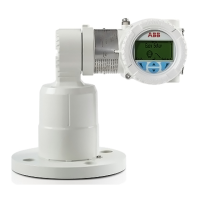
LLT100
Laser Level Transmitter
Operating Instructions/OI-LLT100-EN Rev. D
The new standard in industrial laser
level transmitters
Measurement made easy
Customer benefits
The LLT100 is specifically made for industrial applications
and harsh environments. It provides continuous, non-contact
level measurement capabilities for process automation
and inventory management in industries such as mining,
aggregates, oil & gas, chemicals, food & beverages, power,
pulp & paper, pharma, and water & waste water.
Optimize process or inventory management
Precise measurement of any solid or liquid
Independent of material properties
Low cost of ownership
Fast and flexible installation
No maintenance
Single product configuration works in many applications
Main features
ABB brings laser level transmitters to the next level of non-
contact measurements by packaging laser ranging technology
with the features required by industrial applications. Using a
pulsed laser for performing time-of-flight measurements,
the LLT100 provides accurate distance measurements
while being powered from the 4 20 mA loop. Available in
aluminum or stainless steel body, it comes with a variety of
process interfaces. It can meet the demands of hazardous
area locations, as well as high pressure and high temperature
applications.
Convenient
Easy setup function
Articulated embedded user interface
2-wire powered, and HART 7 communication
Reliable
Dust and fog penetration capabilities
Accurate measurements at short and long distances
Explosion-proof class 1, division 1 (zone 1)

Table of Contents

Other manuals for ABB LLT100

Questions and Answers

Summary

Customer Benefits and Main Features

Customer Benefits

Details on the advantages of the LLT100 for industrial applications and harsh environments.

Main Features

Overview of the LLT100's advanced laser ranging technology and industrial application features.

Safety Information

Personnel Safety

Guidelines for qualified and authorized specialists operating and maintaining the instrument.

Electrical Safety

Regulations and precautions for electrical connections and installations.

Laser Safety and Usage

Laser Radiation Hazards

Information on the Class 1 laser used, its wavelength, and safety class.

Connecting the LLT100

Connecting the Instrument

Step-by-step instructions for physically connecting the LLT100 to the system.

Grounding the Instrument

Detailed guidance on proper grounding methods for safety and performance.

Powering On the Instrument

Procedure for energizing the LLT100 and pre-power checks.

User Interface and Navigation

LCD Interface and Keypad

Description of the LLT100's display and keypad functions for configuration.

Navigating the User Interface

Instructions on selecting options and setting values using the interface.

Accessing Menus

Explanation of the different access levels and password requirements.

Quick Setup Procedures

Default Factory Settings

Lists the default parameter values the LLT100 is delivered with.

Setting Initial Parameters

Guide for setting basic parameters using the LCD interface's Easy Setup menu.

General Device Parameter Setup

Protecting Access with Passwords

Methods for defining passwords to secure instrument settings and access levels.

Preventing Settings Overwrites

Enabling software write-protection to prevent unauthorized changes.

Configuring Filtering Options

Linearization Configuration

Configuring Process Alarms

Installing the LLT100 On Site

Safety Information

General safety directives and accident prevention regulations for installation.

Aligning the Instrument

Guidance on positioning the LLT100 for optimal measurement beam alignment.

Troubleshooting and Service

Identifying the Problem

Using LCD error messages to diagnose and solve instrument malfunctions.

Service and Maintenance

Guidelines for service, contact points, and returning instruments for repair.

Hazardous Area Considerations and Labels

Instrument Specifications

Hazardous Area Considerations

Information on suitability for hazardous locations, including gas and dust ratings.

Summary

Customer Benefits and Main Features

Customer Benefits

Details on the advantages of the LLT100 for industrial applications and harsh environments.

Main Features

Overview of the LLT100's advanced laser ranging technology and industrial application features.

Safety Information

Personnel Safety

Guidelines for qualified and authorized specialists operating and maintaining the instrument.

Electrical Safety

Regulations and precautions for electrical connections and installations.

Laser Safety and Usage

Laser Radiation Hazards

Information on the Class 1 laser used, its wavelength, and safety class.

Connecting the LLT100

Connecting the Instrument

Step-by-step instructions for physically connecting the LLT100 to the system.

Grounding the Instrument

Detailed guidance on proper grounding methods for safety and performance.

Powering On the Instrument

Procedure for energizing the LLT100 and pre-power checks.

User Interface and Navigation

LCD Interface and Keypad

Description of the LLT100's display and keypad functions for configuration.

Navigating the User Interface

Instructions on selecting options and setting values using the interface.

Accessing Menus

Explanation of the different access levels and password requirements.

Quick Setup Procedures

Default Factory Settings

Lists the default parameter values the LLT100 is delivered with.

Setting Initial Parameters

Guide for setting basic parameters using the LCD interface's Easy Setup menu.

General Device Parameter Setup

Protecting Access with Passwords

Methods for defining passwords to secure instrument settings and access levels.

Preventing Settings Overwrites

Enabling software write-protection to prevent unauthorized changes.

Configuring Filtering Options

Linearization Configuration

Configuring Process Alarms

Installing the LLT100 On Site

Safety Information

General safety directives and accident prevention regulations for installation.

Aligning the Instrument

Guidance on positioning the LLT100 for optimal measurement beam alignment.

Troubleshooting and Service

Identifying the Problem

Using LCD error messages to diagnose and solve instrument malfunctions.

Service and Maintenance

Guidelines for service, contact points, and returning instruments for repair.

Hazardous Area Considerations and Labels

Instrument Specifications

Hazardous Area Considerations

Information on suitability for hazardous locations, including gas and dust ratings.

ABB LLT100 Specifications

General IconGeneral
BrandABB
ModelLLT100
CategoryLaser Level
LanguageEnglish