31
Long storage times without charging or discharging the battery at
regular intervals may lead to permanent damage of the battery.
If the battery is stored at room temperature (20 °C to 30 °C) it will
automatically discharge at a rate of 3-6% per month due to internal
reactions. Storing the battery at temperatures above room
temperature should be avoided. A high storage temperature also
means a higher rate of battery degradation.
Batteries that are stored at room temperature should be recharged
every six months to maintain their full capacity and service life.
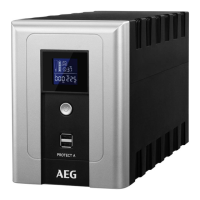
Connect Protect A to the mains before putting it into storage, in
order to make sure that the battery is fully charged.
The charging time should be at least 8 hours.
Disposal
DisposalDisposal
Disposal
This section tells you how to dispose of the individual components of
the equipment.
• Packaging
PackagingPackaging
Packaging: Dispose of the stretch plastic film and the moulded parts
made from polyethylene foam with normal industrial waste. They are
chemically inactive and can be disposed of or recycled.
• Metal parts
Metal partsMetal parts
Metal parts: Take metal parts to a scrap metal dealer. The
equipment housing, the lines, the inverter, the rectifier and the
transformers can be recycled via normal routes.
• Electronics components:
Electronics components:Electronics components:
Electronics components: Take the electronics components to a
recycling company which specialises in disposing of electronics
components.
• Batteries
BatteriesBatteries
Batteries: Follow the specifications set out by the battery
manufacturer for toxic and hazardous substances.
• Batteries must be removed from all parts of the equipment and
disposed of in accordance with the regulations for toxic and
hazardous substances.
• Other components
Other componentsOther components
Other components: Dispose of rubber seals and plastic parts with
industrial waste. They can be disposed of or recycled.
10.
STORAGE AND DISPOSAL


 To Next Page
 Loading...