4
tioner, and causes breakdowns and
malfunctions.
• Do not spray or throw water directly
onto the unit. Water may cause
electric shocks or damage to the
unit.
• Do not drop the remote control and
do not press the keys with pointed
objects: this could damage the re-
mote control.
• Do not pull or deform the supply
cable. If the cable is pulled or used
inappropriately, the unit could be
damaged and there is a risk of elec-
tric shock.
• Adjust the room temperature cor-
rectly to obtain a comfortable envi-
ronment.
• Switch off the power supply if the
air conditioner is not to be used for
a long time. When the power sup-
ply switch is turned on, electricity is
consumed even if the system is not
operating.
• Do not leave the doors or windows
open for long periods when the air
conditioner is operating. The yield in
Heating or Cooling mode is reduced
if doors or windows are kept open.
• Position devices such as TV, radio,
stereo, etc. at a distance of at least
1 metre from the indoor unit and the
remote control. There may be some
audio and video interference.
• If there is a power cut, when the
power is restored the air conditioner
will restart with the settings previous-
ly stored in the memory.
• Only use the remote control to ad-
just the air flow; do not force the fins
into position with your hands.
• Do not direct the air jet straight at
your body. Avoid heating or cooling
the air excessively. This may cause
health problems.
• Do not direct the air flow straight at
animals and plants.
• Do not remove the protection grilles.
Do not insert your hands, or any ob-
jects, into the sockets or air vents.
• In the event of issues with the air
conditioner (e.g. burning smell), turn
off the air conditioner and discon-
nect it from the power supply using
the isolator switch. If the anomaly
persists, the unit could be damaged
and could cause electric shocks or
fires. Contact your local After Sales
Service.
• Do not use sprays or insecticides on
the unit: risk of fire.
• Air the room. We recommend that
the room where the air conditioner
is installed is periodically aired, es-
pecially if many people occupy the
room or if there is equipment that
uses gas. Insufficient ventilation may
result in a lack of oxygen.
• If the air conditioner is being used in
a room where there are children, el-
derly or disabled people or bedrid-
den patients, ensure that the room
temperature is appropriate.
• Do not use the air conditioner to
store food or to dry clothes.
• If the relative humidity is above 80%
(with the doors and windows open)
and the air conditioner has been
operating in Cooling or Dehumidifi-
cation mode for a long time, con-
densate water will probably form
on the outlet of the indoor unit. This
could cause unwanted dripping.
• Do not under any circumstances
insert your fingers or any object into
the unit.
• Do not use the main switch or the
plug to switch the air conditioner on
or off. Use the remote control to turn
the air conditioner on and off.
• When operating in Cooling mode,
the temperature selected must not
be more than 5°C below the out-
door temperature, for optimum
comfort and energy saving.
• When heating, select a moderate tem-
perature.
• Limit the room’s exposure to direct
sunlight using blinds or by leaving
the windows ajar.
• Do not place hot devices, flames or
other heat sources near the unit. The
effectiveness of the air conditioner is
reduced, and energy is wasted.
• Clean the air filters once a fortnight.
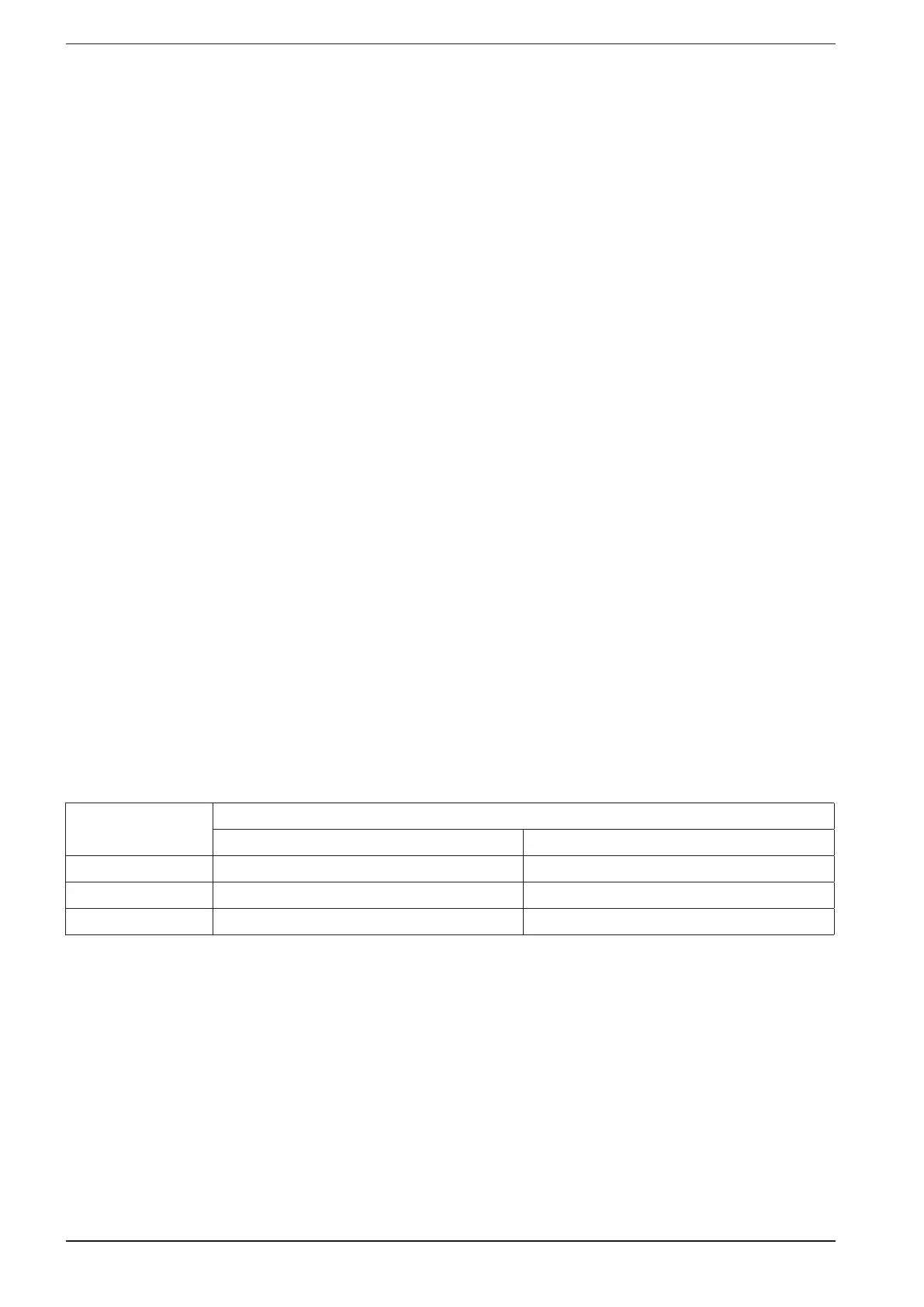
2. MATERIALS PROVIDED WITH THE UNIT
Component
MVA
1000V 1400V
WRC x1 x1
WLRC x1 x1
Nut Gas line x1 x1



 To Next Page