6 Sound primer
Sound effects are generated by a loudspeaker within the computer itself. If you are using the MPl
modulator power supply and a domestic television, turn the TV’s volume control to a minimum.
The level of sound can be adjusted by use of the VOLUME control on the right hand end of the
computer. The sound can also be fed to the auxiliary input socket of your stereo system, using the
(I/O) socket at the left hand end of the computer back panel. This will enable you to listen to the
sound generated by the computer in stereo, through your hi-fi loudspeakers or headphones.
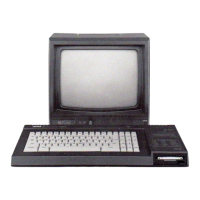
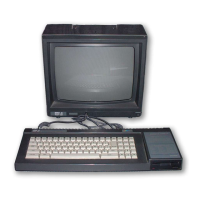
The CPC464 sounds as good as it looks. To get the most from the
imaginative SOUND processing software, you need to understand the
philosophy behind the timing structures.
Subjects covered in this chapter:
* Tone periods
* Sound command
* Enveloping
* Queuing and synchronisation
If all you want to do is to make the computer ‘bleep’ - then type
PRINT CHR$(7)
And go no further....but you will be missing some of the most interesting and rewarding features of
the CPC464, so this section is a primer that ranges across an overall view of the subject followed by a
detailed look at the keywords and how to specify them. It will furnish the programmer with the
basics on how to build a scale of notes, invent various types of musical instruments, and structure
tunes using them.
6.1 Fundamentals of SOUND
When you hear the sound created by a standard note of a tune there are several characteristics to be
considered:
1) Pitch, and variations of pitch during the time of the note.
2) Volume, and variations of volume during the time of the note.
3) Length of the note.


 To Next Page