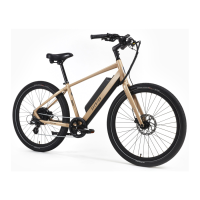
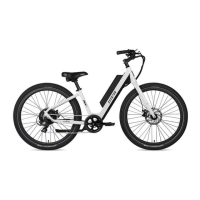
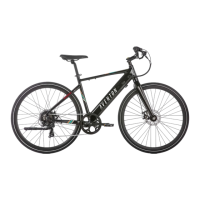
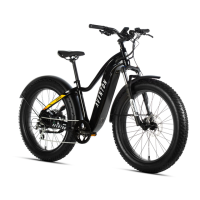
The Aventon Aventure Electric Bicycle is a robust and versatile ebike designed for a wide range of riding conditions, offering both pedal assistance and throttle control to enhance the cycling experience. This user manual provides essential information for assembly, safe operation, maintenance, and troubleshooting, ensuring riders can enjoy their Aventure ebike for years to come.
Function Description
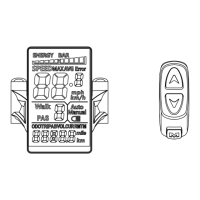
The Aventon Aventure ebike is an electric bicycle equipped with an electrical system that powers various components to control operating conditions and user preferences. It features a hub motor that provides assistance, activated either through pedal assistance or a throttle. The electrical system includes safety power cutoff switches integrated into the front and rear brake levers, which disable motor assistance when applied, ensuring safe braking. The throttle provides smooth acceleration when gradually applied, allowing riders to control their speed with ease. The ebike also includes front and rear lighting for visibility and safety, especially during low-light conditions or night riding. The display unit provides crucial information such as speed, battery level, and assistance level, allowing riders to monitor their ride data and adjust settings as needed. The Aventure is designed for both on-road and off-road use, making it suitable for various terrains and adventures.
Usage Features
Before operating the Aventon Aventure, it is crucial to perform a safety check. This includes verifying the proper functioning of the electrical system, ensuring the brake levers are free from damage and operate correctly without touching the handlebar when fully squeezed. The tires and wheels must be in good condition, spinning straight without wobbling, and inflated to the correct air pressure. All accessories, straps, and hardware should be securely attached. The suspension fork needs to be properly adjusted according to the rider's weight and terrain, and the handlebar, grips, seat, and seatpost must be correctly aligned, fitted, and secured.
The ebike's electrical system is central to its operation. Riders should familiarize themselves with the display, throttle, brake lever cutoff switches, and pedal assistance system. Abnormal functioning of any of these components requires immediate discontinuation of use and contact with Aventon Support.
The Aventon Aventure offers different riding modes and assistance levels. The display allows riders to navigate through a main menu to adjust settings such as screen brightness, unit measurements, and to clear trip data. It also provides an option to connect to the Aventon APP, which can be accessed by scanning a QR code displayed on the screen. The pedal assistance feature is a powerful option that riders should fully understand and practice before extensive use. The ebike's range per charge is an estimate influenced by factors like terrain, payload, speed, acceleration, ambient temperature, and tire pressure. To maximize range, riders are advised to select lower assistance levels, especially when first getting acquainted with the bike or when navigating challenging routes.
For parking, storage, and transport, specific guidelines should be followed. When manually pushing or carrying the bike, the power should be turned off to prevent accidental acceleration. The battery and lights should be turned off to conserve power. For security and battery longevity, the battery should be locked to the frame or removed and stored in a temperature-controlled, dry indoor location. If parking outdoors in wet conditions, the ebike should be brought indoors as soon as possible to dry. When transporting the ebike on a vehicle rack, it is recommended to unlock and remove the battery to reduce weight and protect it from potential water damage. The vehicle rack itself should be compatible with the ebike's size and tire width.
Maintenance Features
Regular maintenance is essential for the safety, performance, and longevity of the Aventon Aventure ebike. The manual outlines recommended service intervals and specific checks to be performed.
Weekly/Monthly (100-300 mi / 160-480 km) Maintenance:
- Inspect: Check hardware for proper torque, verify proper alignment and function of the drivetrain (chain, freewheel, chainring, and derailleur), inspect wheel trueness and quiet wheel operation, check brake condition for damage, proper brake cable tension, and ensure the bike shifts properly.
- Service: Clean the frame with a damp cloth, adjust derailleur/brake cables if needed, and clean and lubricate the drivetrain.
- Replace: Replace any components confirmed by Aventon Bikes Product Support or a certified mechanic if damaged beyond repair. Replace brake and shift cables if necessary.
Every 6 Months (750-1250 mi / 1207-2011 km) Maintenance:
- Inspect: Inspect drivetrain (chain, chainring, freewheel, and derailleur), and all cables and housings.
- Service: Perform a standard tune-up by a certified mechanic, and grease the bottom bracket.
- Replace: Replace brake pads, and replace cables and housings if necessary.
Pre-Ride Safety Checklist:
Before every ride, and after every 25-45 miles (40-72 km), a comprehensive safety check is recommended. This includes:
- Brakes: Ensure front and rear brakes work properly, brake pads are correctly seated, and brake levers are lubricated and securely tightened.
- Wheels and Tires: Verify tires are inflated to recommended pressure, free from damage, and wheels run true. Check axle nuts and front wheel quick release for tightness.
- Steering: Ensure the handlebar and stem are correctly secured and aligned.
- Chain: Check for proper lubrication and tension.
- Bearings: Inspect all bearings (headset, wheel, pedal, bottom bracket) for smooth movement and no excessive play.
- Cranks and Pedals: Ensure cranks are securely tightened and pedals are free from damage.
- Derailleur and Mechanical Cables: Check that the derailleur is adjusted and functioning properly, and all shifter and brake cables are lubricated.
- Frame, Fork, and Seat: Check the frame and fork for damage, and ensure the seat and seatpost are properly adjusted and secured.
- Motor Drive Assembly and Throttle: Ensure all power cables are connected, the motor is secure, and the throttle, torque arm bolt, and torque washers are in place.
- Battery: Ensure the battery is charged, secure, and stored in a suitable environment.
- Electrical Cables: Check all cables and cable housing for damage.
- Accessories: Inspect all other fittings, reflectors, and safety gear.
The Aventure uses 26" x 4.0" rubber tires with inner tubes. Proper inflation (5-30 PSI) and condition checks are critical. Underinflated or overinflated tires can lead to loss of control or bursting. Always inflate tires from a regulated air source with a pressure gauge. Punctures, pinches, or damage to tires/tubes require immediate replacement. When changing a tire or tube, ensure all air pressure is removed from the inner tube first. Using non-original aftermarket tires or tubes may void the warranty and create unsafe riding conditions.
Battery Maintenance:
For new bikes, the first three charges should involve balancing the battery cells by charging for just under 12 hours, even if the indicator light turns green. After the initial balancing sessions, normal charging procedures apply, typically 3-7 hours until the green light indicates a full charge. The battery should never be left charging for longer than 12 hours or unattended. For long-term storage (over two weeks), charge or discharge the battery to approximately 75%, remove it from the bike, and store it in a dry, climate-controlled indoor location (50°F – 77°F / 10°C – 25°C). Check the battery monthly and recharge to 75% if needed.
Troubleshooting:
The manual includes a troubleshooting guide for common issues such as the bike not working, irregular acceleration, motor not responding, reduced range, battery not charging, and strange noises from the wheel or motor. It also lists error codes (e.g., Abnormal Current, Throttle Fault, Motor Phase Fault) that may appear on the display, advising riders to cease operation and contact Aventon Bikes immediately if an error code is displayed.
The limited warranty covers defects in materials and workmanship but excludes normal wear and tear of consumables (tires, tubes, brake pads, cables, grips, chain, spokes) and damage resulting from misuse, neglect, accidents, improper assembly, or unauthorized modifications. The battery warranty excludes damage from power surges, improper chargers, or water damage. Shipping damage claims must be reported within 30 days of receipt with dated pictures and original packaging.
Aventon emphasizes the importance of consulting a certified, reputable bike mechanic for assembly, repairs, and maintenance, especially if the rider lacks the necessary experience, skills, or tools. This ensures the ebike remains safe and performs optimally.


 To Next Page
 General