EasyManua.ls Logo

BEA VIO-D - User Manual

BEA VIO-D
4 pages
Print Icon
To Next Page IconTo Next Page
Loading...
VIO-DT 1&2
1
2
3
4
8
5
6
7
TECHNICAL SPECIFICATIONS
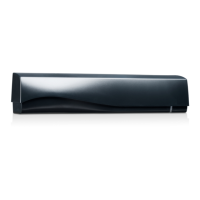
1. cover
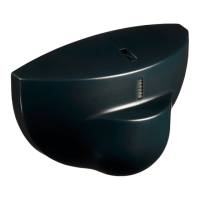
2. radar antenna (wide field)
3. radar field size adjustment
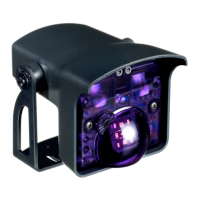
4. IR-prism (2 m)
DESCRIPTION
Presence
Typical response time: <256 ms
Active infrared with background analysis
Spot diameter: 0.1 m (typ)
Number of spots: 24
Number of curtains: 2
From -4 ° to +4 ° (adjustable)
Solid-state-relay
(free of potential, free of polarity)
Max. contact current: 100 mA
Max. contact voltage: 42 V AC/DC
0.3 s to 1 s (not adjustable)
Typical: < 5 ms
ENGLISH
OPENING & SAFETY SENSOR
FOR AUTOMATIC SLIDING DOORS
5. main connector
6. IR-angle adjustment
7. push button for setup or DIP-setting confirmation
8. DIP-switch
12 V - 30 V DC -5%/+10%
(to be operated from SELV compatible power supplies only)
< 2.2 W
1.8 m to 3 m
< 1 V : Log. L; > 10 V: Log. H (max. 30 V)
-25 °C to +55 °C
IP54
< 70 dB
20 years
EN 300 440; EN 301 489-1; EN 301 489-3; EN 62311; EN ISO 13849-1
Performance level «c» CAT2
(under the condition that the door control system monitors the sensor at least once per door cycle); EN 61508 (SIL2); EN
61496-1
(ESPE Type 2) ; EN 12978; EN 16005
Supply voltage:
Power consumption:
Mounting height:
Sensitivity of the test input:
Temperature range:
Degree of protection:
Noise:
Expected lifetime:
Conformity:
Motion
Min. detection speed: 5 cm/s
Microwave doppler radar
Transmitter frequency: 24.150 GHz
Transmitter radiated power: < 20 dBm EIRP
Transmitter power density: < 5 mW/cm2
From 15 ° to 50 ° vertical (adjustable)
Solid-state-relay
(free of potential, free of polarity)
Max. contact current: 100 mA
Max. contact voltage: 42 V AC/DC
0.5 s
Detection mode:
Technology:
Angle:
Output:
Hold time output signal:
Response time on test request:
VIO-DT1: energy-saving unidirectional sensor
VIO-DT2: bidirectional sensor
User’s Guide for product version 0200 and higher
See product label for serial number
Specications are subject to changes without prior notice. All values measured in specific conditions.
GREEN
LED
RED
LED
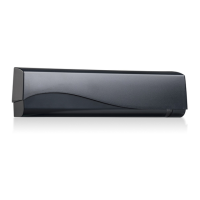
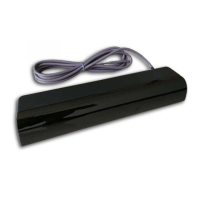
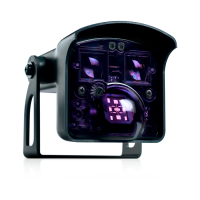
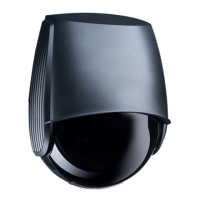
The VIO-DT 1&2 are opening and safety sensors for automatic sliding doors. They combine a motion radar sensor for opening
the door with a double failsafe active infrared curtain for the protection of users.
Question and Answer IconNeed help?

Do you have a question about the BEA VIO-D and is the answer not in the manual?

Summary

Product Overview and Specifications

VIO-DT 1&2 Automatic Sliding Door Sensor

Opening and safety sensor combining motion radar with active infrared curtain for automatic sliding doors.

VIO-DT1 and VIO-DT2 Models

Distinguishes the energy-saving unidirectional sensor (DT1) from the bidirectional sensor (DT2).

Technical Specifications Summary

Key technical details including supply voltage, power consumption, mounting height, temperature range, and IP rating.

Installation and Field Configuration

Mounting and Wiring Guide

Instructions for mounting the sensor and connecting power and control signals, emphasizing earthing.

Radar Field Setup for Opening

Guidance on adjusting the radar field size and angle for optimal opening impulse detection.

Infrared Safety Field Adjustment

Details on setting the width and depth of the infrared safety field for user protection.

Sensor Settings and Setup Procedures

DIP-Switch Settings for Presets

Configuration options using DIP switches for different environments and relay activation modes.

Quick Setup Procedure

A simplified setup process using a short push on the button to configure the sensor.

Assisted Setup Procedure

A detailed setup process involving a long push on the button to verify wiring and sensor positioning.

LED Signal Interpretation and Troubleshooting

Orange LED Signal Meanings

Troubleshooting guide for various orange LED flash patterns indicating faults or configuration changes.

Red LED Signal Meanings

Interpreting red LED behavior during setup, indicating detection of the door or interference.

Green LED Signal Meanings

Understanding sporadic green LED light, indicating environmental disturbances like rain or ghosting.

LED Off and Response Issues

Diagnosing problems when the LED is off or when the door response does not match the LED signal.

Summary

Product Overview and Specifications

VIO-DT 1&2 Automatic Sliding Door Sensor

Opening and safety sensor combining motion radar with active infrared curtain for automatic sliding doors.

VIO-DT1 and VIO-DT2 Models

Distinguishes the energy-saving unidirectional sensor (DT1) from the bidirectional sensor (DT2).

Technical Specifications Summary

Key technical details including supply voltage, power consumption, mounting height, temperature range, and IP rating.

Installation and Field Configuration

Mounting and Wiring Guide

Instructions for mounting the sensor and connecting power and control signals, emphasizing earthing.

Radar Field Setup for Opening

Guidance on adjusting the radar field size and angle for optimal opening impulse detection.

Infrared Safety Field Adjustment

Details on setting the width and depth of the infrared safety field for user protection.

Sensor Settings and Setup Procedures

DIP-Switch Settings for Presets

Configuration options using DIP switches for different environments and relay activation modes.

Quick Setup Procedure

A simplified setup process using a short push on the button to configure the sensor.

Assisted Setup Procedure

A detailed setup process involving a long push on the button to verify wiring and sensor positioning.

LED Signal Interpretation and Troubleshooting

Orange LED Signal Meanings

Troubleshooting guide for various orange LED flash patterns indicating faults or configuration changes.

Red LED Signal Meanings

Interpreting red LED behavior during setup, indicating detection of the door or interference.

Green LED Signal Meanings

Understanding sporadic green LED light, indicating environmental disturbances like rain or ghosting.

LED Off and Response Issues

Diagnosing problems when the LED is off or when the door response does not match the LED signal.

Overview

The VIO-DT 1&2 is an advanced sensor system designed for automatic sliding doors, combining both opening and safety functionalities. It integrates a motion radar sensor for door activation with a double failsafe active infrared curtain to ensure the protection of users. The VIO-DT1 variant offers an energy-saving unidirectional sensing capability, while the VIO-DT2 provides bidirectional sensing.

Function Description

The device operates by detecting motion in its radar field to trigger the door's opening mechanism. Simultaneously, an active infrared curtain creates a safety zone, preventing the door from closing on individuals or objects within its path. This dual-technology approach ensures both convenience and safety in high-traffic environments. The radar field can be adjusted in terms of size and angle, allowing for precise control over the detection area. The infrared curtains also offer adjustable angles to optimize the safety field.

The sensor system includes a main connector for power and signal integration with the door control unit. An IR-angle adjustment mechanism and a radar field size adjustment feature allow for fine-tuning of the detection zones. A push button is provided for setup procedures or confirming DIP-switch settings, facilitating easy configuration. The DIP-switches themselves enable selection of various operational modes and environmental settings.

Usage Features

The VIO-DT 1&2 offers several customizable settings to adapt to different environments and operational requirements. These settings are configured via DIP-switches:

  • Standard: This is the factory default setting, suitable for general environments.
  • Critical Environment: This mode enhances immunity to environmental disturbances such as rain, snow, and lamps. In this setting, only one IR-curtain is activated.
  • Shopping Street: Optimized for narrow sidewalks, this setting activates the opening relay (R1) when detection occurs in both the radar and IR-field, providing a more responsive opening in busy areas.
  • Hospital: Tailored for persons with reduced mobility (PRM), this setting ensures sensitive detection for easier access.

After any change to the DIP-switch settings, the orange LED will flash, prompting the user to confirm the setting with a long push on the push button. A setup procedure should always be initiated after modifying DIP-settings to ensure proper functionality.

Two setup options are available:

  • Quick Setup: A simpler setup process.
  • Assisted Setup: A more comprehensive setup that helps verify wiring, curtain position, and overall sensor function. During any setup, users must step outside the infrared field.

The sensor provides visual feedback through LED indicators (Green, Red, Orange) to communicate its status and any detected issues. For instance, a quickly flashing orange LED indicates a DIP-switch change without confirmation, while a flashing red LED during assisted setup means the sensor detects the door. Different flashing patterns and colors correspond to various operational states, internal faults, power supply irregularities, or environmental disturbances like rain, vibrations, or detected objects.

Maintenance Features

To ensure optimal performance and longevity, the VIO-DT 1&2 requires minimal but consistent maintenance. The optical parts of the sensor should be cleaned at least once a year, or more frequently if environmental conditions necessitate it. This helps maintain the accuracy of the infrared detection.

The device is designed for durability, with an expected lifetime of 20 years. However, proper installation and regular checks are crucial. The manufacturer emphasizes that the door control unit and the door cover profile must be correctly earthed. For compliance with EN 16005, connection to the door controller test output is required.

In case of troubleshooting, the LED signals provide clear indications for diagnosing problems. For example, if the orange LED flashes once, it suggests an internal fault, prompting a power supply cut and restore, or sensor replacement if the issue persists. If the red LED lights up sporadically, it could indicate vibrations, suggesting a check of the sensor's fastening and prism position. Environmental disturbances like rain or leaves might require selecting the "critical environment" presetting.

The manufacturer also provides important safety instructions, including the necessity of testing the installation's good functioning before leaving the premises. The device is intended for specific uses, and any other use is not guaranteed. Only trained and qualified personnel should install and set up the sensor. Unauthorized repairs will void the warranty. Users should avoid touching electronic and optical components, vibrations, and proximity to neon lamps or moving objects to prevent interference.

BEA VIO-D Specifications

General IconGeneral
IP RatingIP54
Operating temperature-20°C to +55°C
MaterialPlastic
CompatibilityAutomatic doors
OutputRelay

Related product manuals