Fiskars Boats, Inha Works Ltd 2010
10 (31)
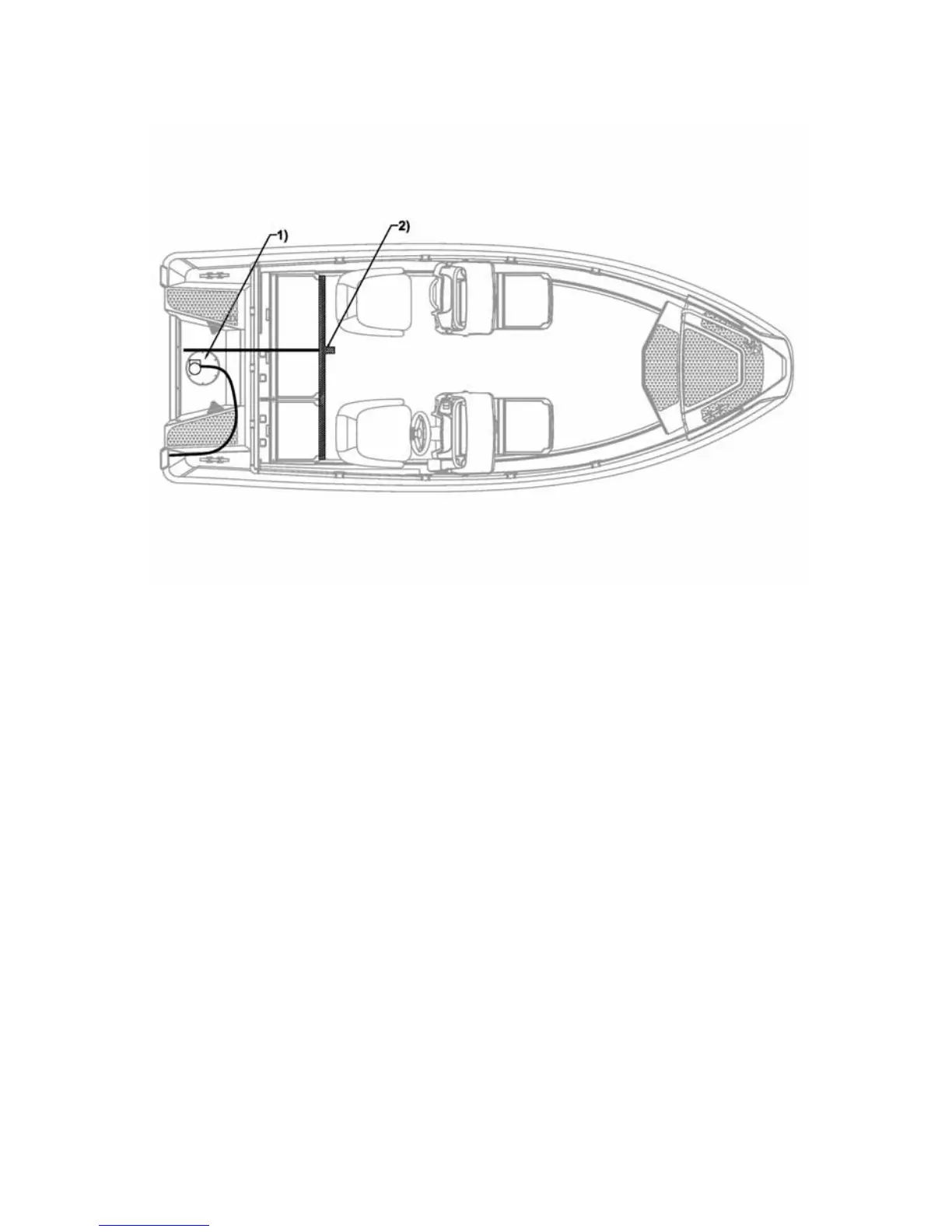
Diagram 2. Location of outlets, cut-off valves and bilge pump: 1) Automatic bilge
pump, 2) Cockpit drain plug for draining rainwater.
5.6.2 Bilge pumps and drainage
The Buster Lx is equipped with an electrically-operated, automatic bilge pump, the
location of which is shown in Diagram 2. It discharges water that has accumulated in
the bilge whenever the surface sensor detects the presence of water in the bilge.
The drainage capacity of the electrical bilge pump is approx. 38 l/min, but the
capacity may be reduced by decreased battery voltage or a twisted drainage hose.
The automatic pump is in a constant state of readiness independent of the position of
the main power switch, provided that the accumulator is connected. The bilge pump
is activated when the sensor is fully submerged for five seconds and is deactivated
when the sensor is dry. The pump can also be force-fed by activating the spring-
loaded switch on the switch panel.
The suction opening of the bilge pump has been positioned as close to the bottom
plate as is practicable. Even so, a small amount of water inevitably remains in the
bilge where it cannot be discharged by the pumps. However, this water can be
drained off through the drain outlet on the right-hand side of the boat’s transom.
The suction head of the electrically-operated bilge pump should regularly be checked
and cleared of debris that may have accumulated there. Access to the pump is
through the service hatch in the engine well.


 To Next Page