General Information
01-48 79032966 A Rev.
Maintenance of Belts
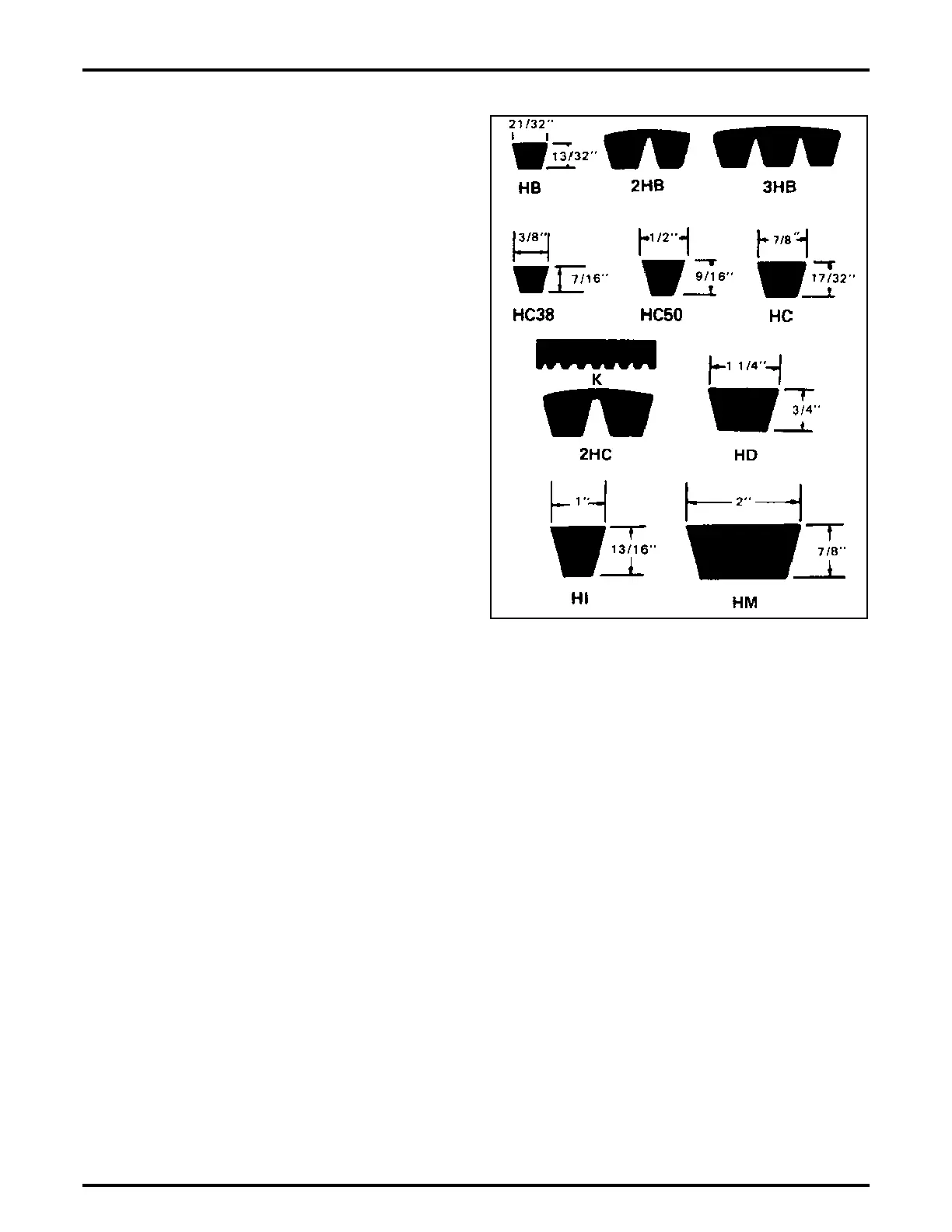
FIG. 97: Cross sections of some of the belts used on the
combine are shown.
A drive inspection must be done every one to two weeks.
Check belts frequently for excessive wear, tearing,
breaking, increasing, and unraveling.
Belt tensions are controlled with spring loaded idlers on
most drives on the combine. Over tightening puts too
much strain on the belt and too much loading on the
shafts and bearings.
Look and listen for any not normal vibration or sound
while watching the drive in operation. A drive kept in good
condition will operate smoothly with little noise.
Inspect guards for looseness or damage. Keep all guards
free from debris, dust, or grime deposit on either the
inside or the outside of the guard. Deposits of material on
guards operate as insulation causing drives to run hotter.
Belts that are running hot, running in a hot environment,
or from slipping will harden and form cracks from the
bottom of the belt up.
An internal temperature increase of 10 degrees C (18
degrees F) can cut belt life in half.
Inspect for oil or grease leaking on the drive. This can
indicate over lubricated bearings or a fluid leak. If this
material gets on rubber belts, the belts can increase in
size and become distorted, causing an early belt failure.
Belts must be replaced if there are signs of cracking,
fraying, or not normal wear.
FIG. 97
D-5594


 To Next Page