209173 RCD-2
Index A
29
5.2 STANDING RIGGING
- The adjustment and tensioning of the rigging must be carried out when the boat is afloat by a professional using
tensiometers.
- The load measured on the shrouds must be identical to port and to starboard.
- The leeward cap shroud must never be slack when sailing.
- The correct configuration of the mast is defined by an even pre-bend (even with the mainsail reefed) and the mast must
remain straight laterally.
- Regularly check the presence of the cotter pins, opened and protected by adhesive tape.
- Check the rigging after delivery of a new boat: it is worth paying attention to the adjustment of the mast during the first
few sails and having all of the rigging checked by a professional after the first 150 miles with the boat..
Annual maintenance
- Every year, or every 1 500 miles, or after a winter lay-up, all rigging should be checked and re-adjusted by a
professional using tensiometers.
- Worn cotter pins must be replaced with new pins of the same diameter, opened and protected with adhesive tap.
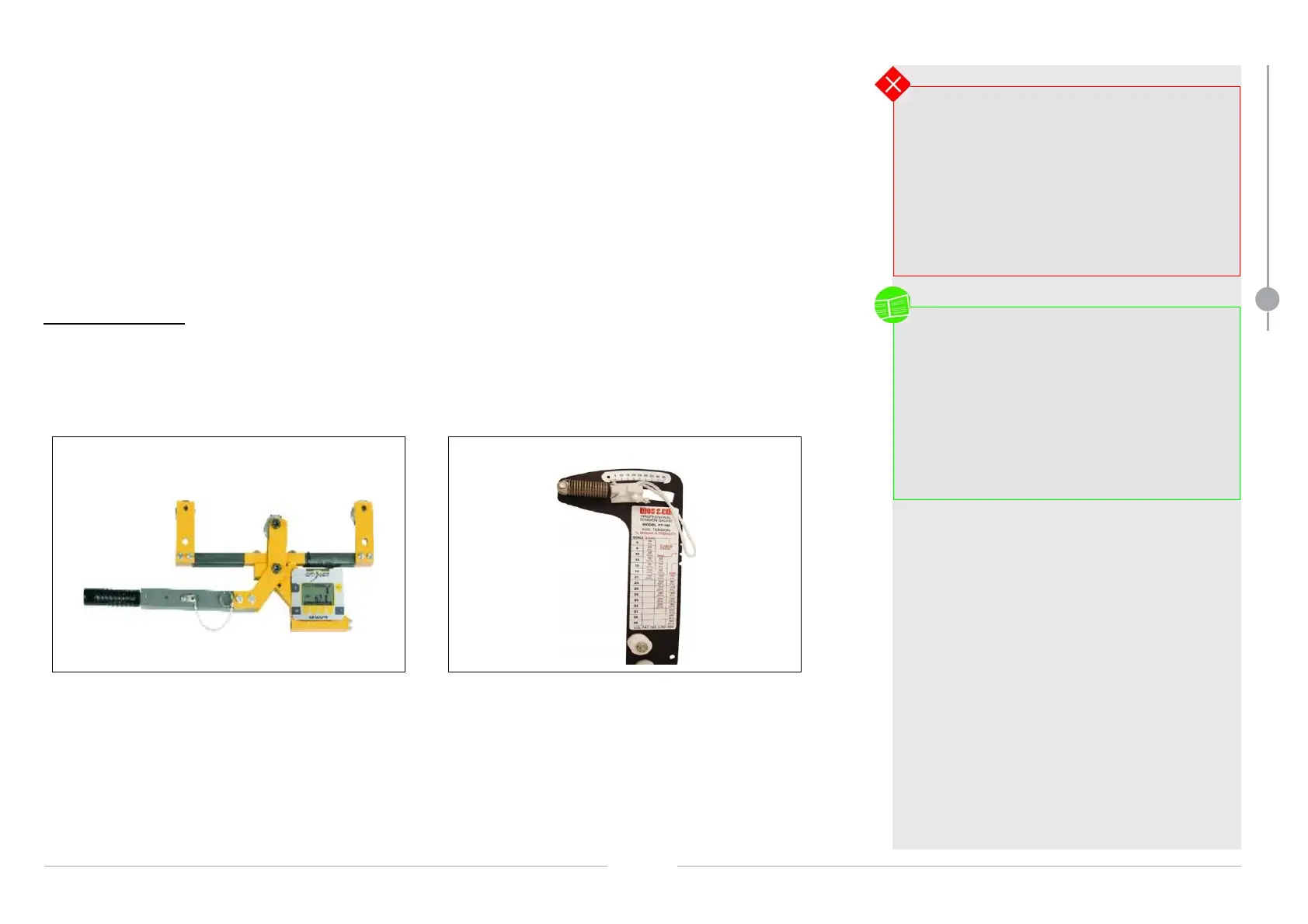
Equipment required for the measurements:
Tensiometer Dillon Quick Check PT3M tensiometer (or equivalent)
- To hoist a crew member up to the top of the
mast, tie a bowline with the halyard directly onto
ring of the bosun's chair (never use the halyard
snap shackle or a carabiner).
- Hoisting a crew member to the masthead
will reduce the boat's stability. The skipper is the
sole person responsible for the decision to hoist
a crew member up the mast. This decision will
depend on sea and wind conditions..
- The first time you use your boat a high level
of skill and attention will be required. The proper
functioning of all equipment will depend on the
initial set-up being carried out correctly.
The first mast stepping must be carried out
under the supervision of the dealer for this
reason.
- Before each trip, carefully inspect the mast
from top to bottom.
Rigging and sails



 To Next Page