Need help?
Do you have a question about the Extra 330lx and is the answer not in the manual?
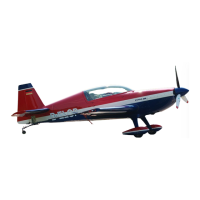
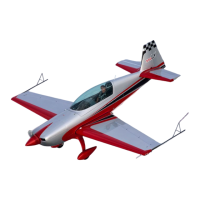
Provides a general overview of the EXTRA 330LX aircraft construction and features.
Details the aircraft's certification category, which is acrobatic.
Identifies the manufacturer: EXTRA Flugzeugproduktions- und Vertriebs- GmbH.
Presents detailed technical specifications including dimensions and airfoil data.
Details the Textron-Lycoming engine type, rated power, and manufacturer.
Specifies the propeller manufacturer, type, and alternatives.
Covers fuel type, octane rating, and total/usable fuel capacities.
Details oil capacity and recommended grades based on ambient temperature.
Provides wing loading and power loading data at MTOW for different categories.
Defines air speed terms (CAS, KCAS, IAS, TAS) and other aviation-related terms.
Defines units of measurement and abbreviations used in the manual.
Provides a table for converting between different units of measurement.
Outlines the scope of the section, including operating limitations and markings.
Specifies VNE, VNO, VA, and maximum aileron control input speeds.
States the maximum demonstrated cross-wind component for takeoff and landing.
Details limitations for fuel type, capacity, and engine oil parameters.
Specifies the maximum rotational speed for the propeller.
Defines maximum allowed empty, takeoff, and landing weights.
Presents the center of gravity envelope for acrobatic flight.
Covers design capabilities for aerobatics, including limits on control inputs and duration.
Specifies load factors for different acrobatic categories and seating configurations.
Defines minimum crew, seating arrangements, and hearing protection requirements.
Covers VFR day operations, temperature limits, and icing/smoking prohibitions.
Specifies structural temperature qualification and overheat indicator function.
States the certified maximum operating altitude.
Specifies the required tire pressure for the aircraft.
Details aircraft identification plate, operating placards, and instrument markings.
Lists required equipment for different kinds of operation, including acrobatic.
Contains general information on emergency procedures and behavior.
Lists recommended airspeeds for various emergency scenarios.
Provides step-by-step procedures for engine failures and other emergencies.
Details procedures for engine failure during takeoff roll, after takeoff, and restart.
Describes procedures to follow in case of loss of engine oil pressure.
Outlines actions to take when the engine oil temperature is high.
Provides procedures for handling an alternator failure indication.
Covers procedures for emergency and precautionary landings.
Details actions to take for engine fires during start or in flight.
Provides guidance for inadvertent icing encounters.
Refers to normal procedures for spin recovery.
Describes procedures for abandoning the aircraft and using a parachute.
Details procedures for emergency exit after an aircraft rollover.
Explains how to fly the aircraft with elevator control failure using trim.
Introduces normal operation, airspeeds, and checklist usage.
Guides the pilot through exterior and cockpit checks before flight.
Details the cockpit, empennage, and wing checks for the preflight checklist.
Provides step-by-step instructions for cold and hot engine starts.
Describes procedures for taxiing, including canopy, brake, and avionics checks.
Outlines steps for before takeoff checks and the takeoff roll itself.
Details climb speeds and boost pump operation.
Covers altitude, throttle, mixture, trim, and fuel checks during cruise.
Provides guidance for descent, approach, and before landing checks.
Explains the steps for initiating a go-around during approach.
Details the steps for shutting down the aircraft engine and systems.
Covers securing the aircraft after shutdown and completing the logbook.
Provides general guidance and limitations for performing acrobatic maneuvers.
Specifies noise levels with different silencer and propeller combinations.
Explains the purpose of performance data and the conditions under which it was computed.
Details how performance data is presented and defines key terms.
Provides a chart for converting pressure altitude and outside air temperature.
Presents a graph for calibrating indicated airspeed (IAS) against calibrated airspeed (CAS).
Lists stall speeds under various conditions of bank angle and weight.
Provides takeoff distances based on OAT, PA, and takeoff weight.
Presents charts for calculating the rate of climb based on various factors.
Provides charts for estimating time and fuel required for climbing.
Offers charts for determining flight range and endurance under various conditions.
Details cruise performance data including TAS, IAS, range, and mixture settings.
Provides landing distances based on OAT, PA, and landing weight.
Explains procedures for establishing basic weight and moment.
Describes the process of determining aircraft weight using scales.
Provides a sample problem for calculating the aircraft's center of gravity.
Presents tables for loading weights and moments of occupants and fuel.
Illustrates the weight and moment limits for different aircraft configurations.
Lists all installed equipment with details on manufacturer, model, and weight.
Provides a general description of the EXTRA 330LX aircraft and its construction.
Details the fuselage structure, materials, and canopy operation.
Describes the wing construction, spar, shell, and aileron system.
Explains the empennage structure, control surfaces, and balance weights.
Details the primary and secondary flight control systems.
Describes the flight instruments in both cockpits and their markings.
Illustrates the instrument panel layout for the rear and front cockpits.
Describes the landing gear construction, wheels, brakes, and tail wheel.
Details the seat design, adjustment, and seat belt assembly.
Explains how to open, lock, and jettison the canopy.
Describes the engine, propeller, throttle, mixture, and fuel selector.
Details the wing tank and acro/center tank fuel system components.
Explains the electrical system components, power supply, and circuit protection.
Describes the ventilation system and cabin heating system.
Provides guidance on contacting dealers and obtaining service information.
Outlines requirements for annual, 100-hour, and other mandatory inspections.
Defines preventive maintenance tasks authorized for pilots.
Specifies that alterations and repairs must be done by licensed personnel.
Refers to sections for oil and fuel servicing information.
Covers manual handling, tie-down, and leveling procedures.
Details the optional steerable tailwheel system, its operation, and limitations.
Describes the electric pedal adjustment system for pilot convenience.
Explains the cabin heating system, its controls, and operation.
Details the optional accelerometer system for flight data recording.
Describes the system for starting the engine using external power.
Explains the operation and features of the digital RPM indicator.
Details the optional smoke system for airshow performances.
Describes the optional single seat canopy for airshow appearance.
Covers the Emergency Locator Transmitter (ELT) system and its operation.
Explains the stereo voice-activated intercom system and its functions.
Details the operation and controls of the Becker ATC 4401 transponder.
Describes the Becker BXP 6401 transponder's controls and operational modes.
Covers the Garmin GTX 327 transponder's general operation and code selection.
Details the Garmin GTX 328 transponder's modes, code selection, and functions.
Explains the Garmin GTX 330 transponder's operation, modes, and code selection.
Covers the Garmin GPS Navigator's general features and limitations.
Details the Aspen EFD1000/500 flight display system and its configurations.
Describes the integrated landing light system and its controls.
Covers the optional glider air-tow release system and procedures.
Details the Garmin GTN series GPS navigator's functions and operation.
Provides a general overview of the EXTRA 330LX aircraft construction.
States the aircraft's certification in the acrobatic category.
Identifies the manufacturer as EXTRA Flugzeugproduktions- und Vertriebs- GmbH.
Presents detailed technical specifications including dimensions and airfoils.
Details the engine type, manufacturer, and rated power.
Provides details on the propeller type, manufacturer, and alternatives.
Covers fuel type, octane, and capacities for wing, center, and acro tanks.
Details oil capacity and recommended grades by ambient temperature.
Provides wing loading and power loading data for different categories.
Defines terms related to airspeeds like CAS, KCAS, IAS, TAS, VA, VNE, VNO.
Defines units of measurement and abbreviations used in the manual.
Provides a table for converting between various units of measurement.
Covers operating limitations, instrument markings, and placards for safe operation.
Specifies VNE, VNO, VA speeds and maximum aileron control input speed.
States the maximum demonstrated cross-wind component for takeoff and landing.
Details fuel type, capacity, oil temperature, oil pressure, and fuel pressure limits.
Specifies the maximum rotational speed for the propeller.
Defines maximum allowed empty, takeoff, and landing weights.
Presents the center of gravity envelope for acrobatic flight.
Covers design capabilities for aerobatics, control inputs, and load factors.
Specifies load factors for different acrobatic categories and seating configurations.
Defines minimum crew, seating, and hearing protection requirements.
Covers VFR day operations, temperature range, and icing prohibition.
Specifies structural temperature limits and overheat indicator function.
States the certified maximum operating altitude.
Specifies the required tire pressure for the aircraft.
Details aircraft identification plates, operating placards, and instrument markings.
Lists required equipment for different kinds of operation, including acrobatic.
Provides general guidelines for crew behavior during emergencies.
Lists recommended airspeeds for various emergency situations.
Details checklists for engine failures and other critical events.
Covers engine failure during takeoff, immediately after takeoff, and in flight restart.
Outlines actions to take when engine oil pressure is lost.
Describes steps to take when engine oil temperature is high.
Provides guidance for handling an alternator failure indication.
Details procedures for emergency and precautionary landings.
Covers actions for engine fires during start or in flight.
Provides guidance for inadvertent encounters with icing conditions.
Refers to normal procedures for spin recovery.
Describes procedures for abandoning the aircraft and using a parachute.
Details procedures for exiting the aircraft after a rollover.
Explains how to manage elevator control failure using trim.
Introduces normal operation, airspeeds, and checklist usage.
Guides pilots through exterior and cockpit checks before flight.
Details cockpit, empennage, and wing checks for the preflight checklist.
Provides step-by-step instructions for cold and hot engine starts.
Describes taxi procedures including canopy, brake, and avionics checks.
Outlines before takeoff checks and the takeoff roll and climb.
Details climb speeds and boost pump operation.
Covers cruise operations including altitude, throttle, mixture, and fuel checks.
Provides guidance for descent, approach, and before landing checks.
Explains the steps for initiating a go-around during approach.
Details the steps for shutting down aircraft systems.
Covers securing the aircraft after shutdown and logbook completion.
Provides general guidance and limitations for performing acrobatic maneuvers.
Specifies noise levels with different silencer and propeller combinations.
Explains the purpose of performance data and computation conditions.
Details how performance data is presented and defines key terms.
Provides a chart for converting pressure altitude and outside air temperature.
Presents a graph for calibrating indicated airspeed against calibrated airspeed.
Lists stall speeds based on bank angle, weight, and power conditions.
Provides takeoff distances based on OAT, PA, and takeoff weight.
Presents charts for calculating rate of climb based on various factors.
Provides charts for estimating time and fuel required for climbing.
Offers charts for determining flight range and endurance under various conditions.
Details cruise performance including TAS, IAS, range, and mixture settings.
Provides landing distances based on OAT, PA, and landing weight.
Explains establishing basic weight and moment, and calculating CG.
Describes the process of determining aircraft weight using scales.
Provides a sample problem for calculating the aircraft's center of gravity.
Presents tables for loading weights and moments of occupants and fuel.
Illustrates the weight and moment limits for different aircraft configurations.
Lists installed equipment with details on manufacturer, model, and weight.
General description of the EXTRA 330LX aircraft, construction, and capabilities.
Details the fuselage structure, materials, and canopy operation.
Describes the wing construction, spar, shell, and aileron system.
Explains the empennage structure, control surfaces, and balance weights.
Details the primary and secondary flight control systems.
Describes flight instruments in both cockpits and their markings.
Illustrates the instrument panel layout for the rear and front cockpits.
Describes landing gear, wheels, brakes, and tail wheel.
Details seat design, adjustment, and seat belt assembly.
Explains canopy opening, locking, and emergency jettison procedures.
Details engine, propeller, throttle, mixture, and fuel selector.
Details wing tank and acro/center tank fuel system components.
Explains electrical system components, power supply, and circuit protection.
Describes the ventilation and cabin heating systems.
Guidance on contacting dealers and obtaining service information.
Outlines requirements for annual, 100-hour, and mandatory inspections.
Defines preventive maintenance tasks authorized for pilots.
Specifies that alterations and repairs must be performed by licensed personnel.
Refers to sections covering oil and fuel servicing.
Covers manual handling, tie-down, and leveling procedures.
Details the optional steerable tailwheel system, its operation, and limitations.
Describes the electric pedal adjustment system for pilot convenience.
Explains the cabin heating system, its controls, and operation.
Details the optional accelerometer system for flight data recording.
Describes the system for starting the engine using external power.
Explains the operation and features of the digital RPM indicator.
Details the optional smoke system for airshow performances.
Describes the optional single seat canopy for improved airshow appearance.
Covers the Emergency Locator Transmitter (ELT) system and its operation.
Explains the stereo voice-activated intercom system and its functions.
Details the operation and controls of the Becker ATC 4401 transponder.
Describes the Becker BXP 6401 transponder's controls and operational modes.
Covers the Garmin GTX 327 transponder's general operation and code selection.
Details the Garmin GTX 328 transponder's modes, code selection, and functions.
Explains the Garmin GTX 330 transponder's operation, modes, and code selection.
Covers the Garmin GPS Navigator's general features and limitations.
Details the Aspen EFD1000/500 flight display system and its configurations.
Describes the integrated landing light system and its controls.
Covers the optional glider air-tow release system and procedures.
Details the Garmin GTN series GPS navigator's functions and operation.
Provides a general overview of the EXTRA 330LX aircraft construction.
States the aircraft's certification in the acrobatic category.
Identifies the manufacturer as EXTRA Flugzeugproduktions- und Vertriebs- GmbH.
Presents detailed technical specifications including dimensions and airfoils.
Details the engine type, manufacturer, and rated power.
Provides details on the propeller type, manufacturer, and alternatives.
Covers fuel type, octane, and capacities for wing, center, and acro tanks.
Details oil capacity and recommended grades by ambient temperature.
Provides wing loading and power loading data for different categories.
Defines terms related to airspeeds like CAS, KCAS, IAS, TAS, VA, VNE, VNO.
Defines units of measurement and abbreviations used in the manual.
Provides a table for converting between various units of measurement.
Covers operating limitations, instrument markings, and placards for safe operation.
Specifies VNE, VNO, VA speeds and maximum aileron control input speed.
States the maximum demonstrated cross-wind component for takeoff and landing.
Details fuel type, capacity, oil temperature, oil pressure, and fuel pressure limits.
Specifies the maximum rotational speed for the propeller.
Defines maximum allowed empty, takeoff, and landing weights.
Presents the center of gravity envelope for acrobatic flight.
Covers design capabilities for aerobatics, control inputs, and load factors.
Specifies load factors for different acrobatic categories and seating configurations.
Defines minimum crew, seating, and hearing protection requirements.
Covers VFR day operations, temperature range, and icing prohibition.
Specifies structural temperature limits and overheat indicator function.
States the certified maximum operating altitude.
Specifies the required tire pressure for the aircraft.
Details aircraft identification plates, operating placards, and instrument markings.
Lists required equipment for different kinds of operation, including acrobatic.
Provides general guidelines for crew behavior during emergencies.
Lists recommended airspeeds for various emergency situations.
Details checklists for engine failures and other critical events.
Covers engine failure during takeoff, immediately after takeoff, and in flight restart.
Outlines actions to take when engine oil pressure is lost.
Describes steps to take when engine oil temperature is high.
Provides guidance for handling an alternator failure indication.
Details procedures for emergency and precautionary landings.
Covers actions for engine fires during start or in flight.
Provides guidance for inadvertent encounters with icing conditions.
Refers to normal procedures for spin recovery.
Describes procedures for abandoning the aircraft and using a parachute.
Details procedures for exiting the aircraft after a rollover.
Explains how to manage elevator control failure using trim.
Introduces normal operation, airspeeds, and checklist usage.
Guides pilots through exterior and cockpit checks before flight.
Details cockpit, empennage, and wing checks for the preflight checklist.
Provides step-by-step instructions for cold and hot engine starts.
Describes taxi procedures including canopy, brake, and avionics checks.
Outlines before takeoff checks and the takeoff roll and climb.
Details climb speeds and boost pump operation.
Covers cruise operations including altitude, throttle, mixture, and fuel checks.
Provides guidance for descent, approach, and before landing checks.
Explains the steps for initiating a go-around during approach.
Details the steps for shutting down aircraft systems.
Covers securing the aircraft after shutdown and logbook completion.
Provides general guidance and limitations for performing acrobatic maneuvers.
Specifies noise levels with different silencer and propeller combinations.
Explains the purpose of performance data and computation conditions.
Details how performance data is presented and defines key terms.
Provides a chart for converting pressure altitude and outside air temperature.
Presents a graph for calibrating indicated airspeed against calibrated airspeed.
Lists stall speeds based on bank angle, weight, and power conditions.
Provides takeoff distances based on OAT, PA, and takeoff weight.
Presents charts for calculating rate of climb based on various factors.
Provides charts for estimating time and fuel required for climbing.
Offers charts for determining flight range and endurance under various conditions.
Details cruise performance including TAS, IAS, range, and mixture settings.
Provides landing distances based on OAT, PA, and landing weight.
Explains establishing basic weight and moment, and calculating CG.
Describes the process of determining aircraft weight using scales.
Provides a sample problem for calculating the aircraft's center of gravity.
Presents tables for loading weights and moments of occupants and fuel.
Illustrates the weight and moment limits for different aircraft configurations.
Lists installed equipment with details on manufacturer, model, and weight.
General description of the EXTRA 330LX aircraft, construction, and capabilities.
Details the fuselage structure, materials, and canopy operation.
Describes the wing construction, spar, shell, and aileron system.
Explains the empennage structure, control surfaces, and balance weights.
Details the primary and secondary flight control systems.
Describes flight instruments in both cockpits and their markings.
Illustrates the instrument panel layout for the rear and front cockpits.
Describes landing gear, wheels, brakes, and tail wheel.
Details seat design, adjustment, and seat belt assembly.
Explains canopy opening, locking, and emergency jettison procedures.
Details engine, propeller, throttle, mixture, and fuel selector.
Details wing tank and acro/center tank fuel system components.
Explains electrical system components, power supply, and circuit protection.
Describes the ventilation and cabin heating systems.
Guidance on contacting dealers and obtaining service information.
Outlines requirements for annual, 100-hour, and mandatory inspections.
Defines preventive maintenance tasks authorized for pilots.
Specifies that alterations and repairs must be performed by licensed personnel.
Refers to sections covering oil and fuel servicing.
Covers manual handling, tie-down, and leveling procedures.
Details the optional steerable tailwheel system, its operation, and limitations.
Describes the electric pedal adjustment system for pilot convenience.
Explains the cabin heating system, its controls, and operation.
Details the optional accelerometer system for flight data recording.
Describes the system for starting the engine using external power.
Explains the operation and features of the digital RPM indicator.
Details the optional smoke system for airshow performances.
Describes the optional single seat canopy for improved airshow appearance.
Covers the Emergency Locator Transmitter (ELT) system and its operation.
Explains the stereo voice-activated intercom system and its functions.
Details the operation and controls of the Becker ATC 4401 transponder.
Describes the Becker BXP 6401 transponder's controls and operational modes.
Covers the Garmin GTX 327 transponder's general operation and code selection.
Details the Garmin GTX 328 transponder's modes, code selection, and functions.
Explains the Garmin GTX 330 transponder's operation, modes, and code selection.
Covers the Garmin GPS Navigator's general features and limitations.
Details the Aspen EFD1000/500 flight display system and its configurations.
Describes the integrated landing light system and its controls.
Covers the optional glider air-tow release system and procedures.
Details the Garmin GTN series GPS navigator's functions and operation.
Provides a general overview of the EXTRA 330LX aircraft construction.
States the aircraft's certification in the acrobatic category.
Identifies the manufacturer as EXTRA Flugzeugproduktions- und Vertriebs- GmbH.
Presents detailed technical specifications including dimensions and airfoils.
Details the engine type, manufacturer, and rated power.
Provides details on the propeller type, manufacturer, and alternatives.
Covers fuel type, octane, and capacities for wing, center, and acro tanks.
Details oil capacity and recommended grades by ambient temperature.
Provides wing loading and power loading data for different categories.
Defines terms related to airspeeds like CAS, KCAS, IAS, TAS, VA, VNE, VNO.
Defines units of measurement and abbreviations used in the manual.
Provides a table for converting between various units of measurement.
Covers operating limitations, instrument markings, and placards for safe operation.
Specifies VNE, VNO, VA speeds and maximum aileron control input speed.
States the maximum demonstrated cross-wind component for takeoff and landing.
Details fuel type, capacity, oil temperature, oil pressure, and fuel pressure limits.
Specifies the maximum rotational speed for the propeller.
Defines maximum allowed empty, takeoff, and landing weights.
Presents the center of gravity envelope for acrobatic flight.
Covers design capabilities for aerobatics, control inputs, and load factors.
Specifies load factors for different acrobatic categories and seating configurations.
Defines minimum crew, seating, and hearing protection requirements.
Covers VFR day operations, temperature range, and icing prohibition.
Specifies structural temperature limits and overheat indicator function.
States the certified maximum operating altitude.
Specifies the required tire pressure for the aircraft.
Details aircraft identification plates, operating placards, and instrument markings.
Lists required equipment for different kinds of operation, including acrobatic.
Provides general guidelines for crew behavior during emergencies.
Lists recommended airspeeds for various emergency situations.
Details checklists for engine failures and other critical events.
Covers engine failure during takeoff, immediately after takeoff, and in flight restart.
Outlines actions to take when engine oil pressure is lost.
Describes steps to take when engine oil temperature is high.
Provides guidance for handling an alternator failure indication.
Details procedures for emergency and precautionary landings.
Covers actions for engine fires during start or in flight.
Provides guidance for inadvertent encounters with icing conditions.
Refers to normal procedures for spin recovery.
Describes procedures for abandoning the aircraft and using a parachute.
Details procedures for exiting the aircraft after a rollover.
Explains how to manage elevator control failure using trim.
Introduces normal operation, airspeeds, and checklist usage.
Guides pilots through exterior and cockpit checks before flight.
Details cockpit, empennage, and wing checks for the preflight checklist.
Provides step-by-step instructions for cold and hot engine starts.
Describes taxi procedures including canopy, brake, and avionics checks.
Outlines before takeoff checks and the takeoff roll and climb.
Details climb speeds and boost pump operation.
Covers cruise operations including altitude, throttle, mixture, and fuel checks.
Provides guidance for descent, approach, and before landing checks.
Explains the steps for initiating a go-around during approach.
Details the steps for shutting down aircraft systems.
Covers securing the aircraft after shutdown and logbook completion.
Provides general guidance and limitations for performing acrobatic maneuvers.
Specifies noise levels with different silencer and propeller combinations.
Explains the purpose of performance data and computation conditions.
Details how performance data is presented and defines key terms.
Provides a chart for converting pressure altitude and outside air temperature.
Presents a graph for calibrating indicated airspeed against calibrated airspeed.
Lists stall speeds based on bank angle, weight, and power conditions.
Provides takeoff distances based on OAT, PA, and takeoff weight.
Presents charts for calculating rate of climb based on various factors.
Provides charts for estimating time and fuel required for climbing.
Offers charts for determining flight range and endurance under various conditions.
Details cruise performance including TAS, IAS, range, and mixture settings.
Provides landing distances based on OAT, PA, and landing weight.
Explains establishing basic weight and moment, and calculating CG.
Describes the process of determining aircraft weight using scales.
Provides a sample problem for calculating the aircraft's center of gravity.
Presents tables for loading weights and moments of occupants and fuel.
Illustrates the weight and moment limits for different aircraft configurations.
Lists installed equipment with details on manufacturer, model, and weight.
General description of the EXTRA 330LX aircraft, construction, and capabilities.
Details the fuselage structure, materials, and canopy operation.
Describes the wing construction, spar, shell, and aileron system.
Explains the empennage structure, control surfaces, and balance weights.
Details the primary and secondary flight control systems.
Describes flight instruments in both cockpits and their markings.
Illustrates the instrument panel layout for the rear and front cockpits.
Describes landing gear, wheels, brakes, and tail wheel.
Details seat design, adjustment, and seat belt assembly.
Explains canopy opening, locking, and emergency jettison procedures.
Details engine, propeller, throttle, mixture, and fuel selector.
Details wing tank and acro/center tank fuel system components.
Explains electrical system components, power supply, and circuit protection.
Describes the ventilation and cabin heating systems.
Guidance on contacting dealers and obtaining service information.
Outlines requirements for annual, 100-hour, and mandatory inspections.
Defines preventive maintenance tasks authorized for pilots.
Specifies that alterations and repairs must be performed by licensed personnel.
Refers to sections covering oil and fuel servicing.
Covers manual handling, tie-down, and leveling procedures.
Details the optional steerable tailwheel system, its operation, and limitations.
Describes the electric pedal adjustment system for pilot convenience.
Explains the cabin heating system, its controls, and operation.
Details the optional accelerometer system for flight data recording.
Describes the system for starting the engine using external power.
Explains the operation and features of the digital RPM indicator.
Details the optional smoke system for airshow performances.
Describes the optional single seat canopy for improved airshow appearance.
Covers the Emergency Locator Transmitter (ELT) system and its operation.
Explains the stereo voice-activated intercom system and its functions.
Details the operation and controls of the Becker ATC 4401 transponder.
Describes the Becker BXP 6401 transponder's controls and operational modes.
Covers the Garmin GTX 327 transponder's general operation and code selection.
Details the Garmin GTX 328 transponder's modes, code selection, and functions.
Explains the Garmin GTX 330 transponder's operation, modes, and code selection.
Covers the Garmin GPS Navigator's general features and limitations.
Details the Aspen EFD1000/500 flight display system and its configurations.
Describes the integrated landing light system and its controls.
Covers the optional glider air-tow release system and procedures.
Details the Garmin GTN series GPS navigator's functions and operation.
 General
| Manufacturer | Extra Flugzeugbau |
|---|---|
| Role | Aerobatic aircraft |
| Engine | Lycoming AEIO-580-B1A |
| Power/mass | 0.24 kW/kg (0.15 hp/lb) |
| G-limits | +10/-10 |
| Height | 2.62 m |
| Power | 315 hp |
| Propeller | 3-bladed |

 To Next Page