steering system is provided for Version B.
Two steering positions are standard equipment in
Version B, and each steering position has full
rudder control without any transfer or manipulation
of valves or handles.
Both steering systems are generally maintenance-
free. However, it may be necessary to occasionally
bleed the hydraulic system, and have hydraulic
fluid added. If such service is to be carried out,
please note the following:
Each hydraulic helm pump has its own oil
reservoir. Any topping up should, however, take
place at the steering position in the cockpit only.
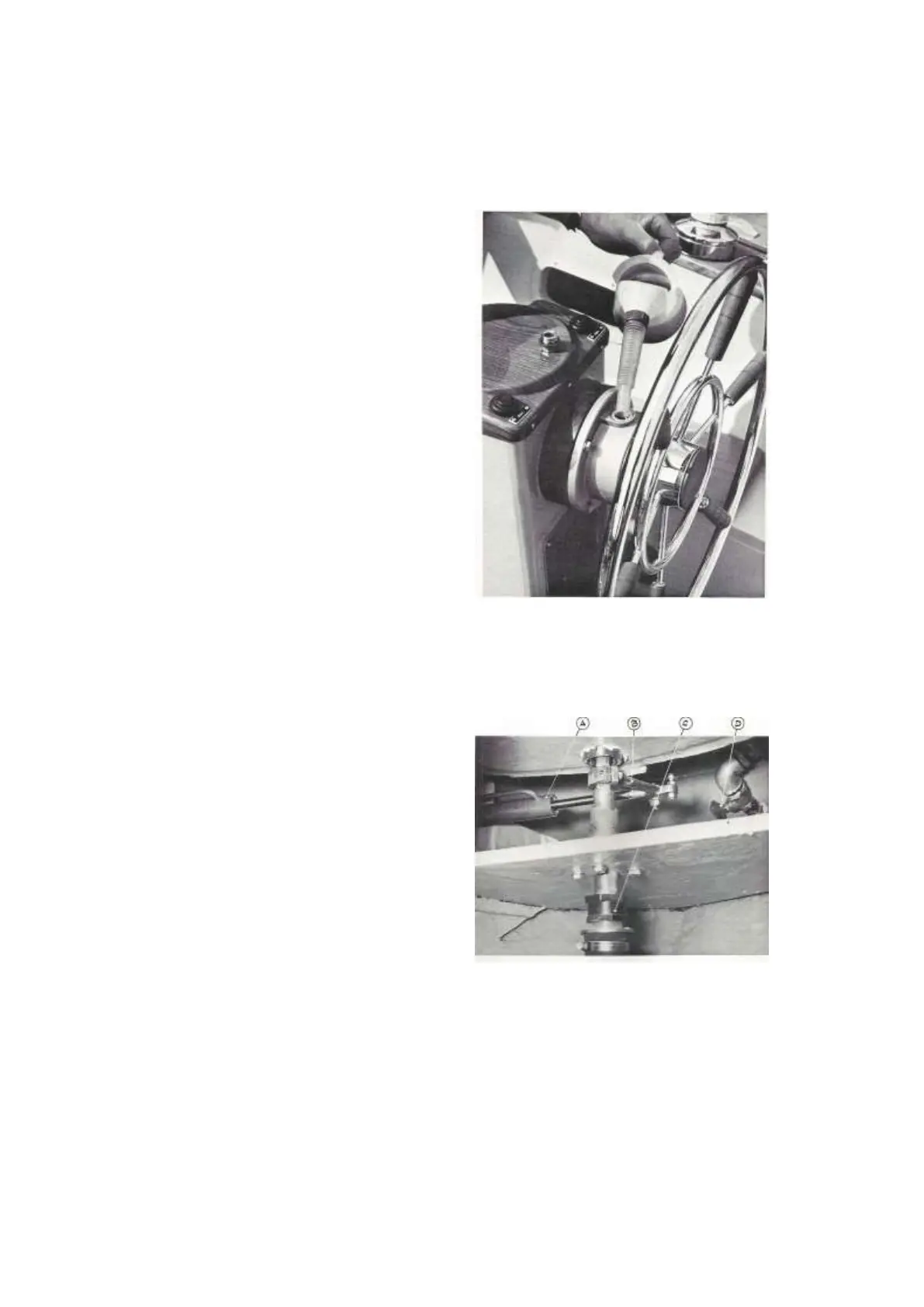
Plate 34 shows the wheel pump at the outdoor
steering position with the filler cap unscrewed.
Fluid is added until level with the lower threads
in the filler pipe. When topping up, the equivalent
to the filler cap on the inside steering helm pump
should be carefully loosened by twisting one turn
or so counter-clockwise to release trapped air.
This vent valve should be tightened once airless
fluid escapes.
Every second year the hydraulic fluid should be
changed. The system is drained by loosening
the fittings at the steering cylinder with the filler
cap opened; Follow the instructions of the manu-
facturer when refilling the system.
The top of the rudder shaft, the tiller and the
connections to the push-pull cable or to the
steering cylinder are accessible through the opening
in the bulkhead behind the ladder leading from
the cockpit to the dog-house (the back-plate
of the stowing compartment has to be removed by
unscrewing the wood screws) and/ or through
the helmsman’s seat in the cockpit. For smoothest
possible action, the connections with their
pivoting pins should be greased occasionally
(Plate 35).
6) The rig and the sails
a) General
The FJORD MS 33 is given the simplest possible
masthead rig for ease of handling and maximum
efficiency. A considerable margin of safety was
included when the spars and standing rigging were
designed, and ruggedness has been a key-word
throughout the design work. The big foretriangle
gives you any possibility of setting the optimum
foresail for any condition, while the moderate
mainsail is easily managed in a blow when it
makes a most suitable steadying sail.
b) Stepping the mast and setting the standing
rigging
The mast is stepped on the cabin-top. This is
Plate 34
Topping up Hydraulic Fluid through Filler Cap on
Steering Wheel Pump (version B)
Plate 35
Steering System - Top of Rudder Stock
A) Hydraulic Cylinder Lion Version B)
B) Tiller
C) Stuffing Box
E) Exhaust Line Through-Hull Fitting



 To Next Page