59
Measurements
As mentioned earlier, manufacturers quote a variety of test signals, measurement parameters,
endurance times and boundary conditions:
1. As far as test signals are concerned, some manufacturers quote “IEC 60268 noise” that has
bandwidth and peak-to-rms characteristics similar to the AES recommendations for power
ratings (see earlier).
Some simply state “band-limited noise” without specifying upper and lower frequency limits –
whilst others don’t specify their test signal at all.
The choice of test signal makes quite a difference. For instance, the rms level difference between
sine sweeps and AES or IEC noise can be 3dB. And regular (non AES or IEC) pink noise differences
can be considerably greater.
The combined choice of measurement parameter and test signal can make quite a difference as
well. A peak spl reading will look a lot more impressive than an rms reading – especially with
regular pink noise instead of AES or IEC noise. The pink noise’s peak measurement will be at a
maximum but its unmentioned rms value – and, therefore, its tendency to heat the voice coil
and cause output compression – is likely to be considerably lower than the AES or IEC
recommendations.
2. Also, the careful choice of spot frequencies or noise bands can exaggerate the maximum spl
figures to unrepresentative levels.
3. Most manufacturers agree that loudspeaker systems needs to be run for at least two hours for
their magnetic assemblies and chassis to reach maximum operating temperature. However, very
few manufacturers state measurement duration. One manufacturer quotes maximum spl figures
based on peak readings of pink noise and further reading reveals that their product’s “peak
power handling capacity” is quoted for 10ms. That’s only one cycle at 100Hz! Try explaining that
to a bass or keyboard player who likes to play sustained notes!
4. Manufacturers who mention boundary conditions tend to state “half space” or “2∏”
(hemispherical) conditions. Again, this can make sense for small loudspeakers at low
frequencies. And, of course, for subwoofers whose response extends low enough for the listener
to be regarded as existing in half-space.
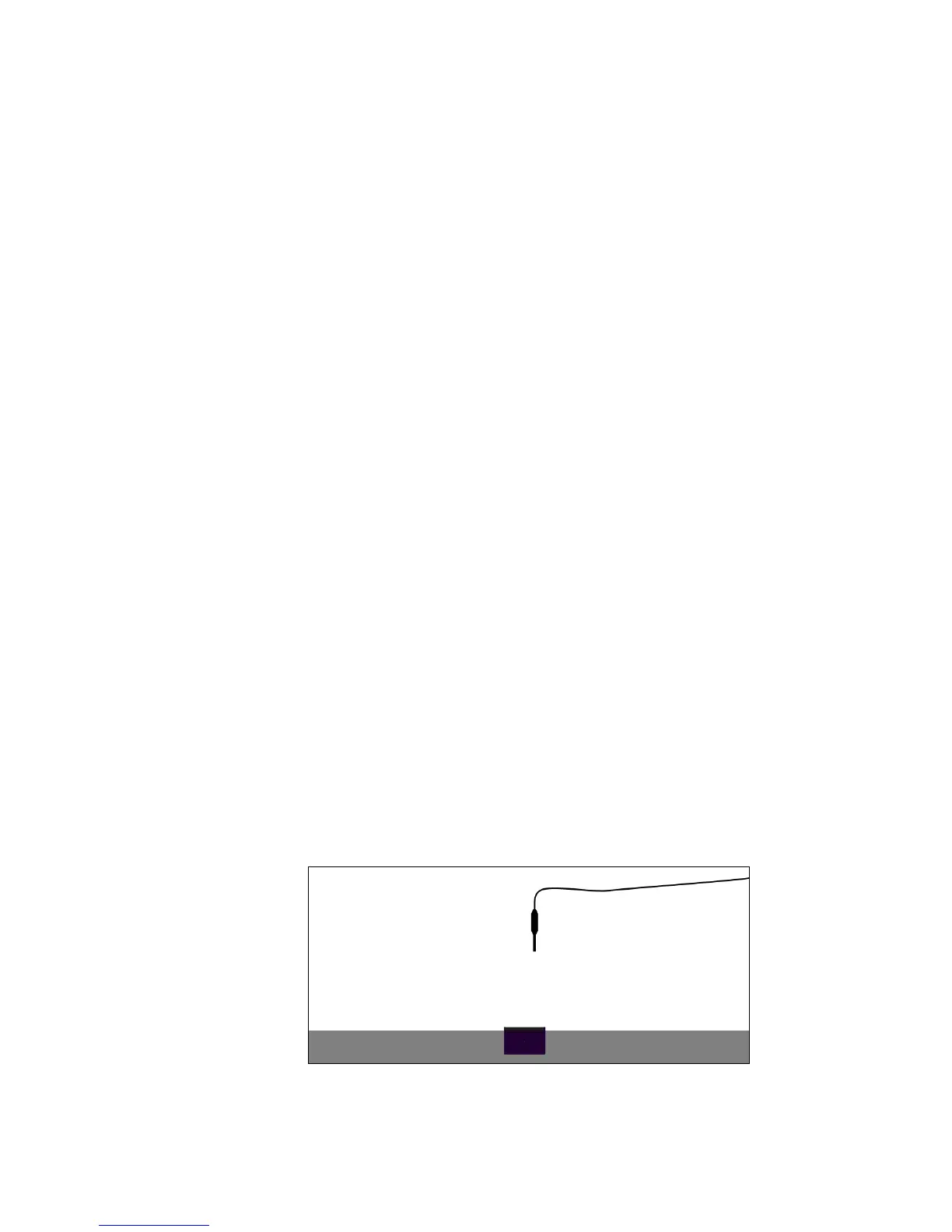
5. Note that there are two types of “half-space” set-up used to minimise the effects of delayed
ground reflections where an anechoic chamber isn’t available:
i) The most common set-up is where the loudspeaker is mounted in half space – typically
in a pit facing upwards so that its baffle (not its grille) is flush with the ground. The
measurement microphone is placed above the loudspeaker – usually on the acoustical
crossover axis.
www.funktion-one.com © Funktion One Research Limited 2011


 To Next Page