6.5.2. Individual faults
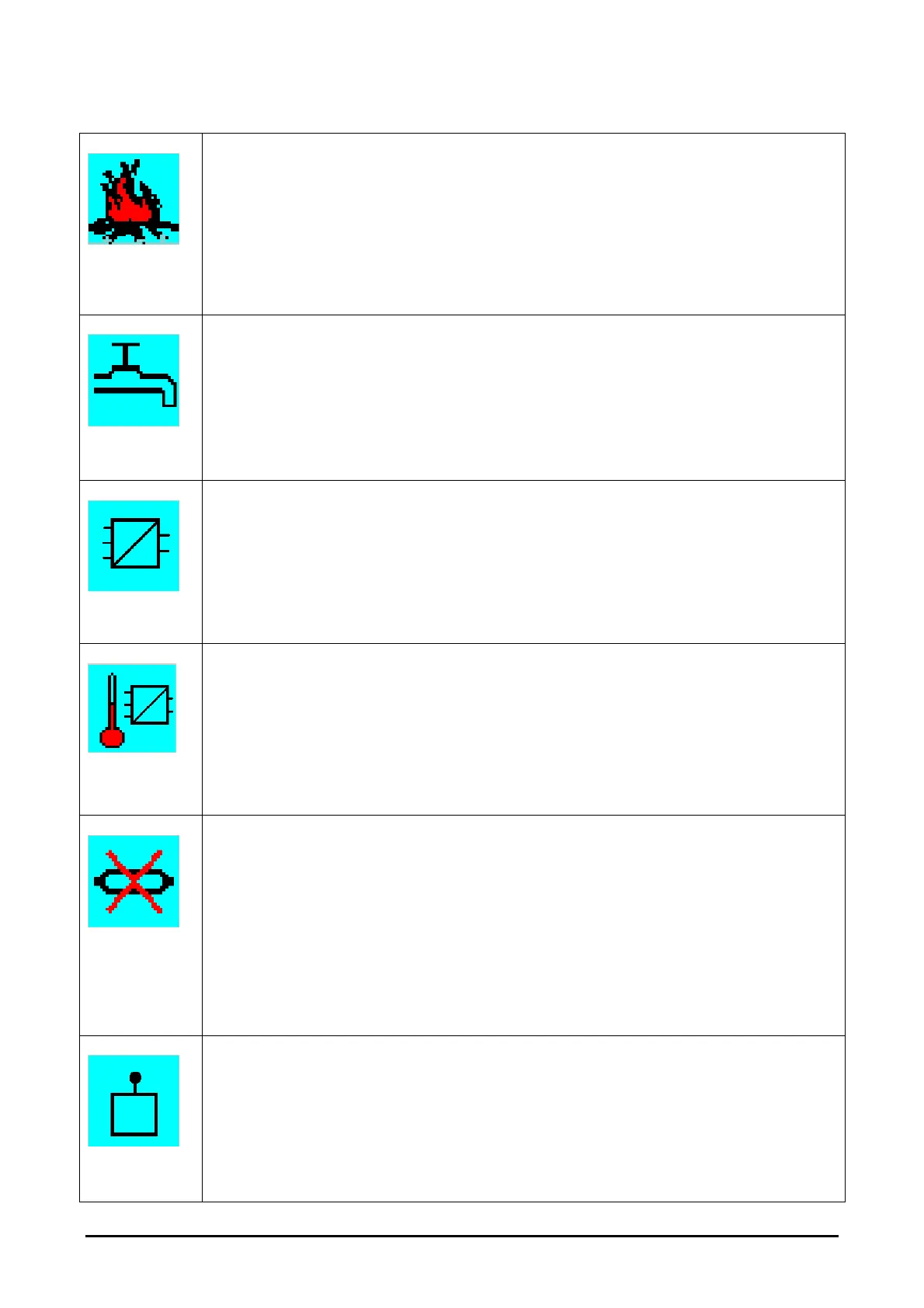
Burn in failure
The lamp ‘burns in’ until it reaches a certain operating voltage and running temperature. If
the lamp does not reach this voltage within 4 minutes, or achieve temperature within 10
minutes then the lamp will trip and the burn in failure will appear. This type of failure usually
occurs if the lamp is overcooled.
• Check that orange damper unit is operating correctly
• Check the supply voltage is within the operating voltage range of the
e
-Brick
and fan as specified on the rating plate
Flow switch failure
Cooling water supply to the lamp head has failed.
• Check that water cooling is on
• Check that all the hoses are connected to lampheads and cooler
• Ensure that all valves are set to the open position
• The water flow through the switch may be insufficient, check water hoses for kinks
and blockages
PSU failure
A fault has been detected within the
e
-Brick.
- Check 3 phase supply is on and that all three phases are available
- Check 24V LED is illuminated, if not then internal 24Vdc may be faulty
- Check K1 LED illuminates when lamp is selected
- Ensure that the lamp cable is connected
- Ensure that other cables are undamaged and correctly connected
PSU over temperature
The
e
-Brick has reported a high internal temperature.
• Let the PSU cool down before re-striking
• Check that the cooling fans are running
• Check filters
•
If the
e
-Brick is mounted in a cabinet, check for air blockages and that adequate
cooling capacity has been allowed.
•
Lamp failure
No current flow was detected through the lamp.
Warning! When resolving a lamp failure it is important to let the lamp cool before
attempting to restart the system.
• Check all electrical connections relating to the lamp.
• Check the physical state of the lamp; change the lamp if it operated for >1000h.
Instructions for changing the lamp are given in the lamp head user manual. If a
new lamp fails, call GEW for advice.
• Let the lamp cool down before re-striking.
Safety switch failure
On systems with lamp heads mounted on hinged brackets, this alarm will indicate that the
lamp head has been hinged open.
• Check that the lamp is firmly seated in the outer casing
• Check that the lamp head is closed (hinged head)
• If this fault occurs with the lamp head hinged closed then check the alignment of
the interlock arm with the interlock switch at the front of the lamp head.
GEW UV
e
-Brick installation and operating manual 38 of 49



 To Next Page