EasyManua.ls Logo

Grizzly G0941 - Page 89

Grizzly G0941
137 pages
Print Icon
To Next Page IconTo Next Page
To Previous Page IconTo Previous Page
Loading...


*
*
)Hadi
IdeK^Zl
H^YZK^Zl
(
$
-
8djciZgh^c`dc7diidb
&
$
)
=daZ
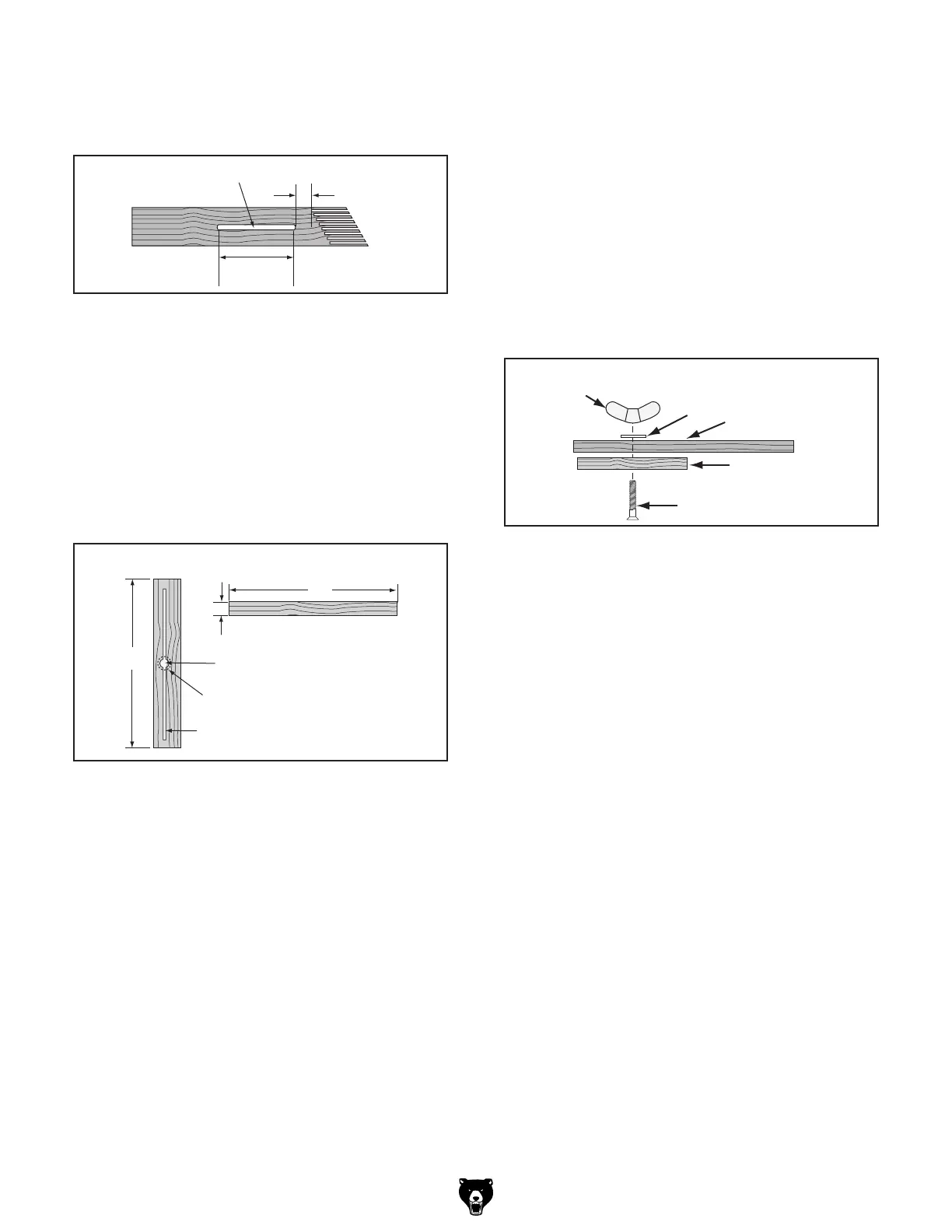
Figure 78.
5. 
      
Figure 78
Tip: Consider making the miter bar longer for
larger featherboards—approximately half the
length of the total featherboard—to support
the force applied to the featherboard during
use.
6. 




7. 


8.      
 
     
         Figure
79    

4.  

      

Figure 77
Figure 77.
&"'
)"*
&
$
)
"
(
$
-
Hadi
H^YZK^Zl
L^c\Cji
B^iZg7Vg
;ZVi]ZgWdVgY
;aVi=ZVYHXgZl
;aViLVh]Zg
Figure 79.

Tip:The length of the flat head screw depends
on the thickness of the featherboard—though
1
1
2" to 2" lengths usually work.
Mounting Featherboard in
Miter SlotPage 55
Note:The routed slot, countersink hole, and
the flat head screw are essential for the miter
bar to clamp into the miter slot. When the
wing nut is tightened, it will draw the flat head
screw upward into the countersunk hole. This
will spread the sides of the miter bar and
force them into the walls of the miter slot,
locking the featherboard in place.

Table of Contents