EasyManua.ls Logo

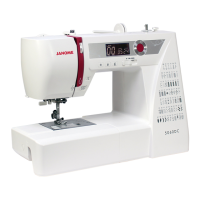
Janome 5060DC - User Manual

Janome 5060DC
56 pages
Print Icon
To Next Page IconTo Next Page
Loading...
INSTRUCTION BOOK

Table of Contents

Questions and Answers

  • S
    Stephanie AllenAug 4, 2025
    Why does the needle thread break on my Janome 5060DC?
    • J
      Jacob OchoaAug 5, 2025
      There are several reasons why the needle thread might break on your Janome sewing machine: * The needle thread may not be threaded properly. * The needle thread tension might be too tight. * The needle could be bent or blunt. * The needle might be inserted incorrectly. * The needle thread may not be set under the presser foot when you start sewing. * The threads might not have been drawn to the rear after sewing. * The thread could be either too heavy or too fine for the needle being used.
  • C
    cindy67Aug 9, 2025
    Why does the bobbin thread break on my Janome Sewing Machine?
    • C
      Chris PerkinsAug 10, 2025
      The bobbin thread in your Janome sewing machine could be breaking due to several reasons: * The bobbin thread is not threaded properly in the bobbin holder. * Lint has collected in the bobbin holder. * The bobbin is damaged and doesn’t turn smoothly. If this is the case, replace the bobbin. * The thread is wound loosely on a bobbin.
  • A
    alicia65Aug 15, 2025
    What to do if my Janome 5060DC Sewing Machine is skipping stitches?
    • M
      Mrs. Amanda WardAug 15, 2025
      Skipped stitches on your Janome sewing machine may occur because: * The needle is incorrectly inserted, bent or blunt. * The needle and/or threads are not suitable for the work being sewn. * A Blue Tipped needle is not being used for sewing stretch, very fine fabrics and synthetics. * The needle thread is not threaded properly. * A poor quality needle is used. If this is the case, change the needle.
  • M
    Mark SchmidtAug 20, 2025
    Why is the cloth not feeding smoothly through my Janome Sewing Machine?
    • R
      Richard GreenAug 20, 2025
      The cloth may not feed smoothly through your Janome sewing machine due to: * The feed dog being packed with lint. * The stitches being too fine. If this is the case, make the stitches longer. * The feed dog not being raised after “drop feed” sewing.
  • P
    Paula HallAug 25, 2025
    Why does the needle break on my Janome 5060DC Sewing Machine?
    • M
      Michael EvansAug 25, 2025
      The needle of your Janome sewing machine may break because: * The needle is incorrectly inserted. * The needle clamp screw is loose. * The threads were not drawn to the rear after sewing. * The needle is too fine for the fabric being used. * The presser foot is not appropriate for the stitch pattern being sewn. If this is the case, change the presser foot.
  • T
    Tyler CarpenterAug 29, 2025
    Why is there seam puckering when using my Janome 5060DC?
    • S
      Samantha RomanAug 29, 2025
      Seam puckering on your Janome sewing machine can occur for several reasons: * The needle thread tension is too tight. * The needle thread is not threaded properly. * The needle is too heavy for the fabric being sewn. * The stitch length is too long for the fabric. To fix this, make the stitches shorter.

Summary

IMPORTANT SAFETY INSTRUCTIONS

DANGER - To Reduce the Risk of Electric Shock

Instructions to reduce the risk of electric shock from the sewing machine.

WARNING - To Reduce the Risk of Burns, Fire, Electric Shock, or Injury to Persons

General warnings to prevent burns, fire, electric shock, or injury when using the machine.

SECTION I. NAMES OF PARTS

Standard Accessories

Lists included accessories such as feet, needles, bobbins, and instruction book.

Large Extension Table

Details on attaching and adjusting the large extension table for increased sewing surface.

SECTION II. GETTING READY TO SEW

Connecting the Power Supply

Details connecting the power supply using either the foot control or the start/stop button.

Before Using Your Sewing Machine

Initial setup instruction to run the machine without thread to remove oil.

Controlling Sewing Speed

Explains how to control sewing speed using the speed control slider and foot control.

Machine Operating Buttons Overview

Describes the function of the Start/Stop and Reverse stitch buttons.

Additional Machine Operating Buttons

Details the Auto-lock, Needle Up/Down, and Thread Cutter buttons.

LCD Display Controls

Explains how to use cursor and value set buttons to navigate the LCD display.

Foot Holder Operations

Instructions for removing and attaching the foot holder.

Presser Foot Management

Steps for changing presser feet, using the lifter, and adjusting pressure dial.

Feed Dog Adjustment

Explains how to drop and raise the feed dog for different sewing needs.

Changing the Needle

Step-by-step guide for changing the sewing machine needle correctly.

Fabric and Needle Chart

Chart recommending needle sizes and types for different fabrics.

Bobbin Winding Preparation

Instructions for removing the bobbin and using spool pins.

Winding the Bobbin

Step-by-step guide on how to wind a bobbin correctly.

Inserting the Bobbin

Guide on how to correctly insert the bobbin into the bobbin holder.

Threading the Machine

Detailed instructions on how to thread the sewing machine.

Using the Needle Threader

Instructions on using the automatic needle threader for easier threading.

Drawing up the Bobbin Thread

Explains how to draw up the bobbin thread for specific stitches.

LCD Display and Stitch Selection

Explains the LCD display and how to select stitch patterns.

SECTION III. BASIC SEWING

Straight Stitch Sewing

Instructions for performing a straight stitch and basic sewing techniques.

Changing Sewing Direction

How to change sewing direction by pivoting fabric.

Turning Square Corners

Technique for sewing square corners accurately.

Sewing from Thick Fabric Edge

Tips for sewing from the edge of thick fabrics with special foot locking.

Needle Plate and Seam Guides

Explains seam guides on the needle plate for measuring seam allowance.

Adjusting Stitch Length and Drop Position

How to adjust stitch length and needle drop position using machine controls.

Straight Stitch

Details on setting up and performing a straight stitch.

Lock-a-Matic Stitch

Explains the Lock-a-Matic stitch for securing seams with backstitching.

Locking Stitch

How to sew a locking stitch for an invisible finish.

Triple Stretch Stitch

Instructions for the triple stretch stitch for elasticity and strength.

Stretch Stitch

Describes the narrow stretch stitch for knits and bias seams to prevent puckering.

Zigzag Stitch

Instructions for using the versatile zigzag stitch for various purposes.

Adjusting Zigzag Stitch Width

How to adjust stitch width for zigzag stitches.

Adjusting Zigzag Stitch Length

How to adjust stitch length for zigzag stitches.

Overcasting with Zigzag Stitch

Using zigzag stitch for overcasting and finishing raw edges.

Multiple Zigzag

Instructions for the multiple zigzag stitch for finishing seams on synthetics.

Overedge Stitch

How to use the overedge stitch to seam and overcast edges simultaneously.

Knit Stitch

Instructions for the knit stitch for stretch fabrics to prevent puckering.

Double Overedge Stitch

Using the double overedge stitch for fraying fabrics like linens and gabardines.

Zipper Sewing

Step-by-step guide for sewing zippers with different zipper feet.

Attaching the Zipper Foot

How to attach the zipper foot correctly for left and right side sewing.

Zipper Fabric Preparation

Preparing fabric and zipper for sewing, including adding length and basting.

Starting Zipper Sewing

Instructions for starting to sew a zipper, including folding allowances.

Blind Hemming

Instructions for performing a blind hem using a specialized foot.

Adjusting Blind Hem Needle Position

How to adjust needle drop position for accurate blind hemming.

Button Sewing

Guide on how to sew buttons onto fabric using the machine's button sewing function.

Attaching Elastic

Instructions for attaching elastic using a stretch stitch for garment construction.

Various Kinds of Buttonholes and Their Uses

Overview of buttonhole types, their uses, and general instructions.

Square Buttonhole

Describes the square buttonhole, its uses, and general setup.

Round-end Buttonhole

Describes the round-end buttonhole for fine fabrics and its uses.

Fine Fabric Buttonhole

Describes the fine fabric buttonhole for delicate materials and its uses.

Keyhole Buttonhole

Describes the keyhole buttonhole for larger buttons and its uses.

Stretch Buttonhole

Describes the stretch buttonhole for knit fabrics and its uses.

Antique Buttonhole

Describes the antique buttonhole for heirloom sewing and its uses.

Square Buttonhole Sewing Procedure

Detailed steps for sewing a square buttonhole using the automatic buttonhole foot.

Adjusting Stitch Width and Density for Buttonholes

How to adjust stitch width and density for specific buttonhole types.

Keyhole Buttonhole Sewing Procedure

Detailed steps for sewing a keyhole buttonhole.

Stretch Buttonhole Sewing Procedure

Detailed steps for sewing a stretch buttonhole.

Antique Buttonhole Sewing Procedure

Detailed steps for sewing an antique buttonhole.

Corded Buttonhole

Instructions for sewing a corded buttonhole with filler cord.

Darning Stitch

Guide on how to perform darning stitches for repairs.

Adjusting Darning Evenness

How to adjust darning evenness using the feed balancing dial.

Tacking

Instructions for tacking stitches for reinforcement of seams and carriers.

Eyelet

How to sew eyelets using a satin stitch foot for belt holes.

SECTION IV. DECORATIVE STITCHING

Shelltuck Stitch

How to sew a shell tuck stitch for creating decorative edges on fabric.

Applique

Instructions for sewing applique designs using specific stitch patterns.

Adjusting Stitch Width for Decorative Stitches

How to adjust stitch width for decorative patterns like applique.

Scallop Stitch

Instructions for sewing a scallop stitch along fabric edges.

Smocking

Guide for creating smocking decorative treatment on fabrics.

Pintucking

How to sew pintucks for decorative effects on fabric.

Patchwork Piecing

Techniques for patchwork piecing using specific stitches and feet.

Stippling Stitch

How to use the stippling stitch for quilting small areas quickly.

Clasp Stitch

Instructions for sewing a clasp stitch for decorative seams.

Fagoting

How to sew fagoting to create open work appearance and add design interest.

Satin Stitches

Instructions for sewing various satin stitches for decorative effects.

Fringing

How to create decorative fringing on fabrics by carefully removing threads.

Drawn work

Instructions for drawn work, a decorative technique similar to fringing.

Cross Stitch

How to create cross stitch designs quickly using the sewing machine.

Decorative Stitches Overview

General guide for sewing decorative stitches with specific patterns.

SECTION V. CARE OF YOUR MACHINE

Cleaning the Hook Race and Feed Dog

Steps for cleaning the hook race and feed dog for optimal machine performance.

Installing the Bobbin Holder

Instructions for correctly installing the bobbin holder into the machine.

Problems and Warning Signs

Lists warning signs, their causes, and recommended solutions for machine issues.

Troubleshooting

A table listing common sewing problems, their causes, and references for solutions.

Janome 5060DC Specifications

General IconGeneral
TypeComputerized
Stitch Options60
Buttonhole Styles6
Maximum Stitch Width7 mm
Maximum Stitch Length5 mm
Needle Threading SystemAutomatic
LCD ScreenYes
Foot ControlYes
ComputerizedYes
Presser Feet7
Speed ControlYes
Drop FeedYes
Free ArmYes
Sewing Speed820 stitches per minute
Warranty25-year limited

Related product manuals