The B-chain is comprised of one-third octave equalization, dividing networks (low- or high-level),
power amplification, and loudspeakers. JBL Professional products are used extensively used in the
B-
chain of the system.
D. Evolving Dynamic Range Requirements in the Cinema
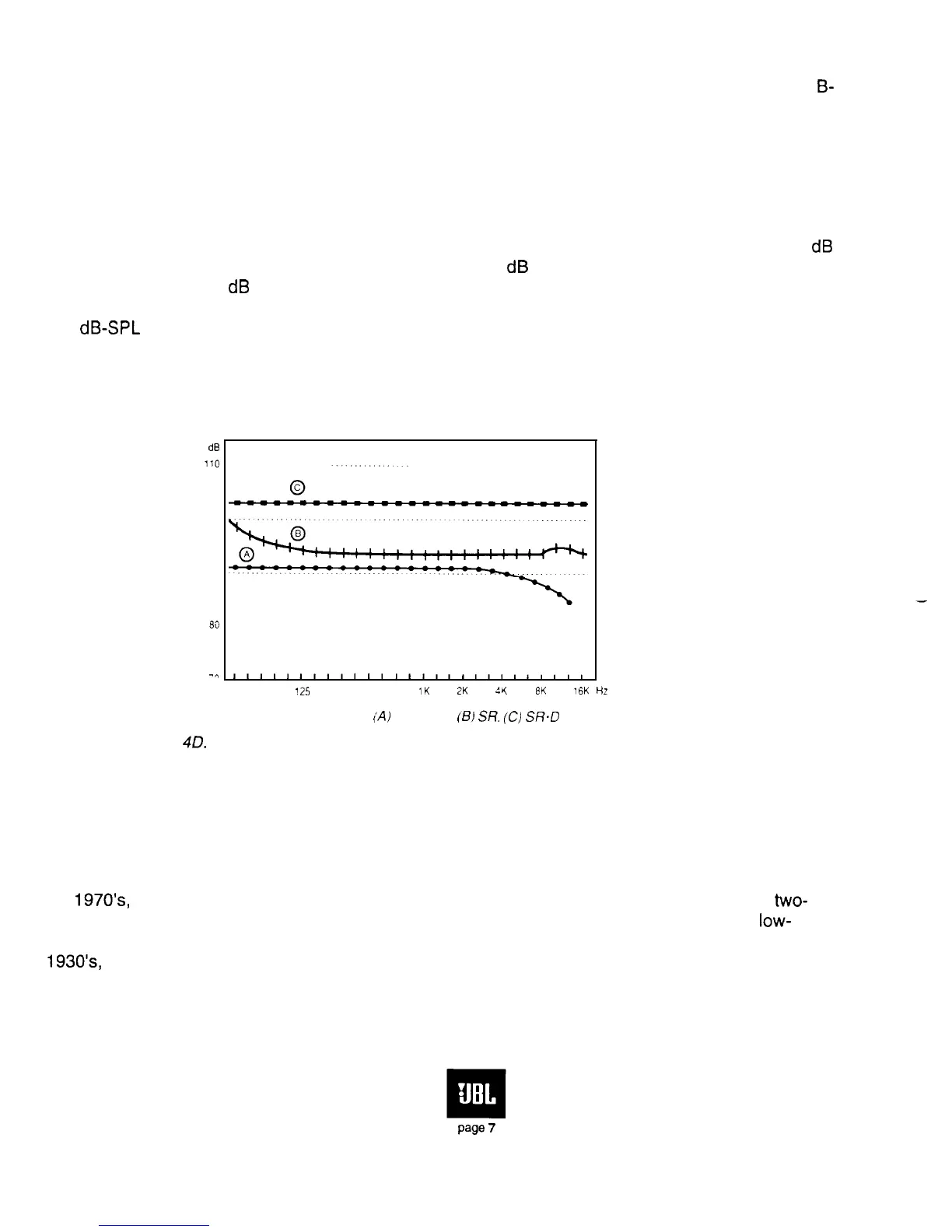
Figure 4D shows details of the headroom requirements of current and future cinema formats.
According to Dolby Laboratories, the level of dialog in the cinema will remain as it currently is, while
the added headroom will be used primarily for more realistic peak levels for sound effects and music.
Depending on specific signal content, the peak level capability of Dolby SR analog tracks can be 3
dB
greater in the mid-band than with Dolby A, rising to about 9
dB
at the frequency extremes. The digital
formats can provide 12
dB
headroom relative to Dolby A, with overall characteristics that are flat over
the frequency band. This peak capability translates into acoustical levels, on a per-channel basis, of
103 dB-SPL in the house. All of the loudspeaker systems discussed in this manual will meet these
new specifications, consistent with the size of the cinema for which the systems will be specified.
dE
110
100
SO
80
-1
375
63
125
253 500
1K
2K
:r(
8K
16K
tiz
Peak power levels
(Al
A-type.
(8)
SF?.
(CI
SR.D
Figure 40.
Dynamic range requirements for Dolby-A, Dolby SR and Dolby SR-D formats
E. Integration of Loudspeakers into the Acoustical Environment
In order to present a clear picture of the interaction of loudspeakers and the acoustical
environment, we will begin with the previous era in cinema loudspeaker design. Through the end of
the
1970’s,
the loudspeaker systems which were current in the cinema were the tried and true
two-
way designs composed of multicellular or radial high-frequency horns and hybrid horn/reflex
low-
frequency systems. These systems had been developed by Bell Laboratories as far back as the
1930’s,
and the versions used until just a few years ago were essentially the same as has been
developed and refined by Lansing and Hilliard (1). These systems were well engineered in terms of
efficiency, ruggedness, and low distortion, given the acoustical performance demands of the day.
Their designers had also successfully coped with the problems of frequency division and arrival time
page
7




 To Next Page