OPERATION MANUAL
AF INTEGRA / AF-H INTEGRA ELT
PAGE: 2
JUN 20/2013
B. World coverage with the COSPAS-SARSAT system
The major improvement is the use of the COSPAS-SARSAT system for
processing aeronautical emergencies.
The 406 MHz transmission carries digital data which enable the identification
of the aircraft in distress and facilitate SAR operation (type of the aircraft,
number of passengers, type of emergency).
The 406 MHz message is transmitted to the COSPAS-SARSAT satellites. This
message is downloaded to one of the 64 ground stations (44 LEOLUTs and 20
GEOLUTS).
The aircraft is located by Doppler effect by the LEO satellites with a precision
better than 2 NM (4 km) at any point of the earth.
Thanks to the built-in GPS receiver, the position (accuracy typically about 60
meters) will be transmitted by the ELT within minutes following the distress.
The 121.5 MHz frequency is no more processed by COSPAS-SARSAT system
but is still used by SAR services for homing in the final stage of rescue
operations.
C. Operation
In the event of a crash, the ELT activates automatically and transmits a sweep
tone on 121.5 MHz and the 406 MHz signal.
In a crash, a G-Switch (shock detector) turns the ELT "ON" when the ELT is
subjected to an important change of velocity (or deceleration).
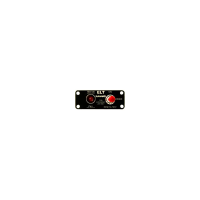
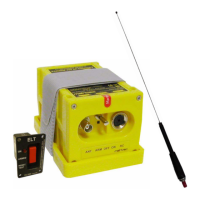
Activation may also be accomplished by means of a Remote Control Panel
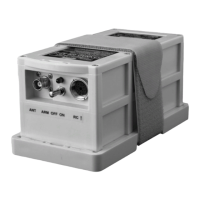
(RCP) from the cockpit or directly from a switch of the ELT’s front panel.
In the event the external antenna is unavailable due to the crash, the
integral antenna will replace it to transmit the 406 MHz signal to the
Cospas-Sarsat satellites.
Note: The integral antenna has not been tested and approved by Cospas-
Sarsat.
D. Environmental improvements of ELTs
The certification of an ELT includes a range of severe mechanical tests:
• resistance to flame;
• impact and crush tests;
• resistance up to 500 G shocks;
• watertightness;
• anti-deflagration;
• extreme temperatures .



 To Next Page