Chapter 3: Getting Started
Product Service 1-800-522-7658
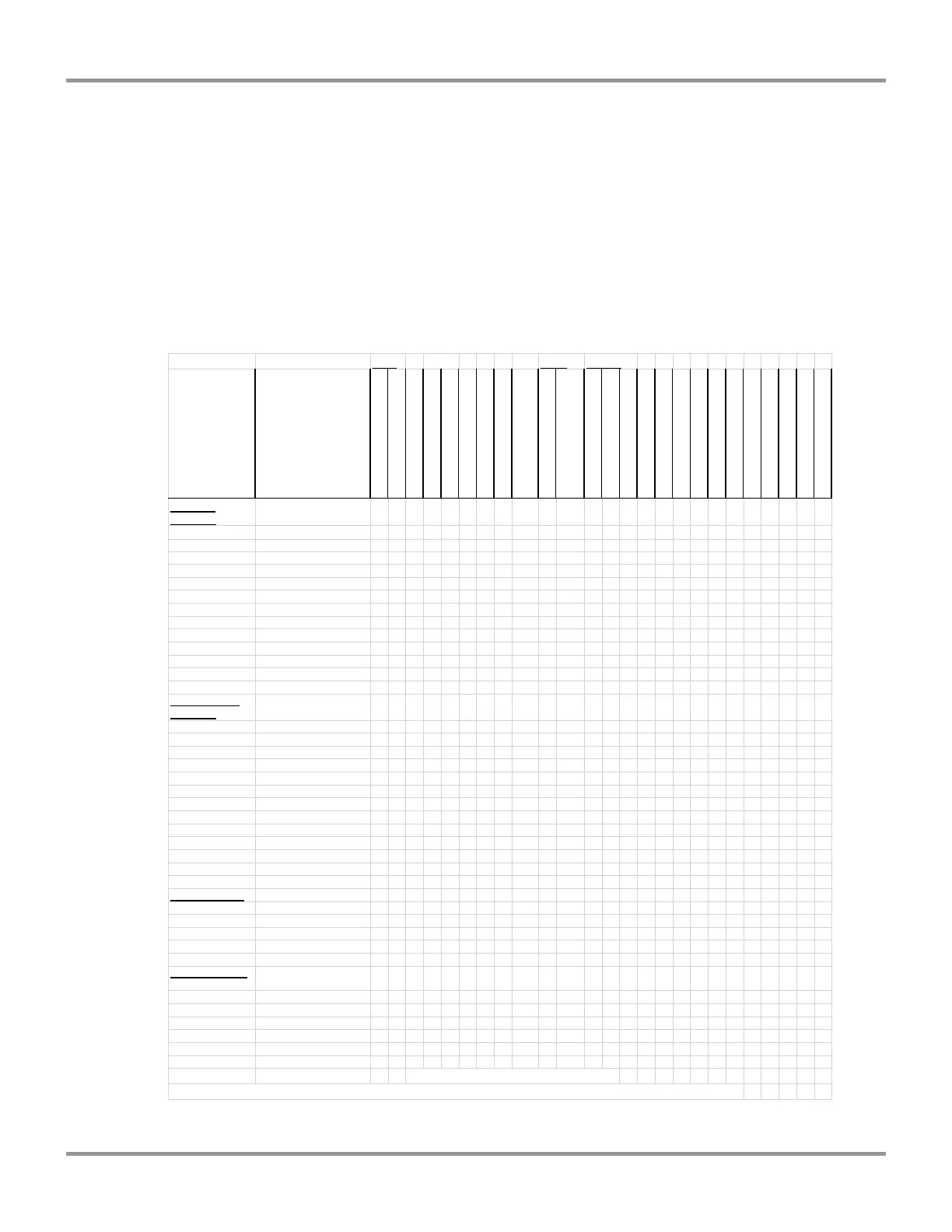
Chemical Resistance of CentriVap
Components
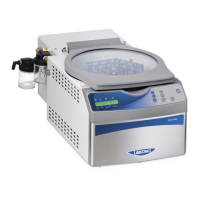
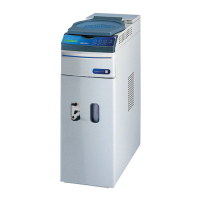
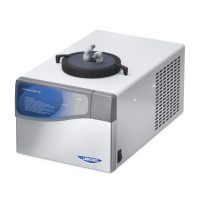
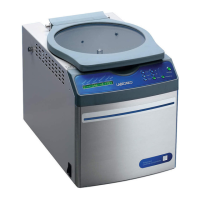
Your CentriVap DNA Centrifugal Concentrator is designed to be chemical
resistant to most compounds that are commonly used in the concentration
processes that are performed in it. However, by necessity, the CentriVap is
comprised of a number of different materials, some of which may be attacked and
degraded by certain chemicals. The degree of degradation is obviously dependent
on the concentration and duration of exposure. Some major components of the
CentriVap that are susceptible to degradation are as follows:
Trifluoroacetic Acid (TFA)
Dimethyl Sulfoxide (DMSO)
Methyl t-Butyl Ether (MTBE)
Lid Acrylic C D C D D D D C D D C D D
Bearings High Carbon Steel D D D D D D D D D D D
Lid Gasket EPDM D D D D D C C D
Rotor Shaft Stainless Steel D D D
Valve Stainless Steel D D D
O Rings Viton (Fluorocarbon) C C C D C
Fittings Polypropylene D C
Rotor Anodized Aluminum D D
Rotor Hub Acetal (Delrin) C C C D D D C D C
Tubing PVC D C D D D D D D D C D D D D
Chamber Teflon coated Aluminum
Bearings Stainless Steel D D D
Lid Gasket EPDM D D D D D C C D
O Rings Viton (Fluorocarbon) C C C D C
Fittings Polypropylene D C
Rotor Teflon coated Aluminum
Rotor Hub Polypropylene D C
Tubing PVC D C D D D D D D D C D D D D
Chamber Stainless Steel D D D
Lid Acrylic C D C D D D D C D D C D D
Cold Trap Gasket Neoprene D D C D D C D D D D D C D
Chamber Stainless Steel D D D
Lid Stainless Steel D D D
Cold Trap Gasket Neoprene D D C D D C D D D D D C D
C- Moderate Degradation- Questionable use
D- Severe Degradation- Infrequent use recommended- immediate thorough cleaning required




 To Next Page