12
SPRAYER:
1) Flush before each use with a solvent that is correct for the paint you
will be spraying. ie: Water for latex paints.
2) Clean unit well after each use. A clean unit works better and lasts
longer.
3) Flush with mineral spirits when storing the unit for more than 3 or 4
days.
PAINT:
1) Prepare paint according to manufactuer’s recommendations.
2) Remove all skins on paint.
3) Stir paint thoroughly.
4) Strain paint through a fine mesh strainer bag to avoid clogging of
pump and filters. (see accessories page).
SPRAY TIPS:
1) Use minimum pressure that gives a good spray pattern to reduce tip
and pump wear and cut down overspray.
2) Replace tips before they become too worn. Worn tips waste paint
and overwork the sprayer.
FILTERS:
1) Clean the filters after each use of sprayer.
2) Use correct filter for the tip size and paint type. See chart in manual.
3) Push down on filter after inserting it into the gun handle to test if the
filter spring is at the bottom. Make sure the filter is inserted with the
double lip going into the gun first.
HELPFUL HINTS FOR TROUBLE FREE PAINTING
PAINT HOSE:
1)
INSPECT THE HOSE PERIODICALLY. DO NOT USE KINKED,
WORN OR DAMAGED HOSE. SEE WARNINGS IN FRONT OF
MANUAL!
2) Use only hose that is designed for the high pressures of airless
units. Minimum working pressure of 3000 PSI. Be sure it is
grounded, static dissipating type hose.
3) Protect both the paint hose and the electric cord from vehicle traffic
and sharp cutting edges or objects.
4) For best performance, maximum hose length is about 300 ft. of 1/4".
This maximum will largely depend on tip size and thickness of paint.
5)
DO NOT USE STEEL BRAID hose! The DC-2000, DC-3100 & DC-
4600, DC-7700 can only be used with fibre braid hose.
ELECTRICAL:
1) Always ensure the unit is plugged into a grounded outlet providing
115 volt, 15 amp (minimum), 60 cycle service.
2) Start unit with pressure control turned to minimum setting with
prime valve open and pressure relieved.
3) If circuit breaker has tripped, determine the cause of overload before
re-setting.
EXTENSION CORD:
1) Use only three wire, grounded type extension cord, CSA approved.
2) Use correct wire size of extension cord for correct operation. See
chart on page 4.
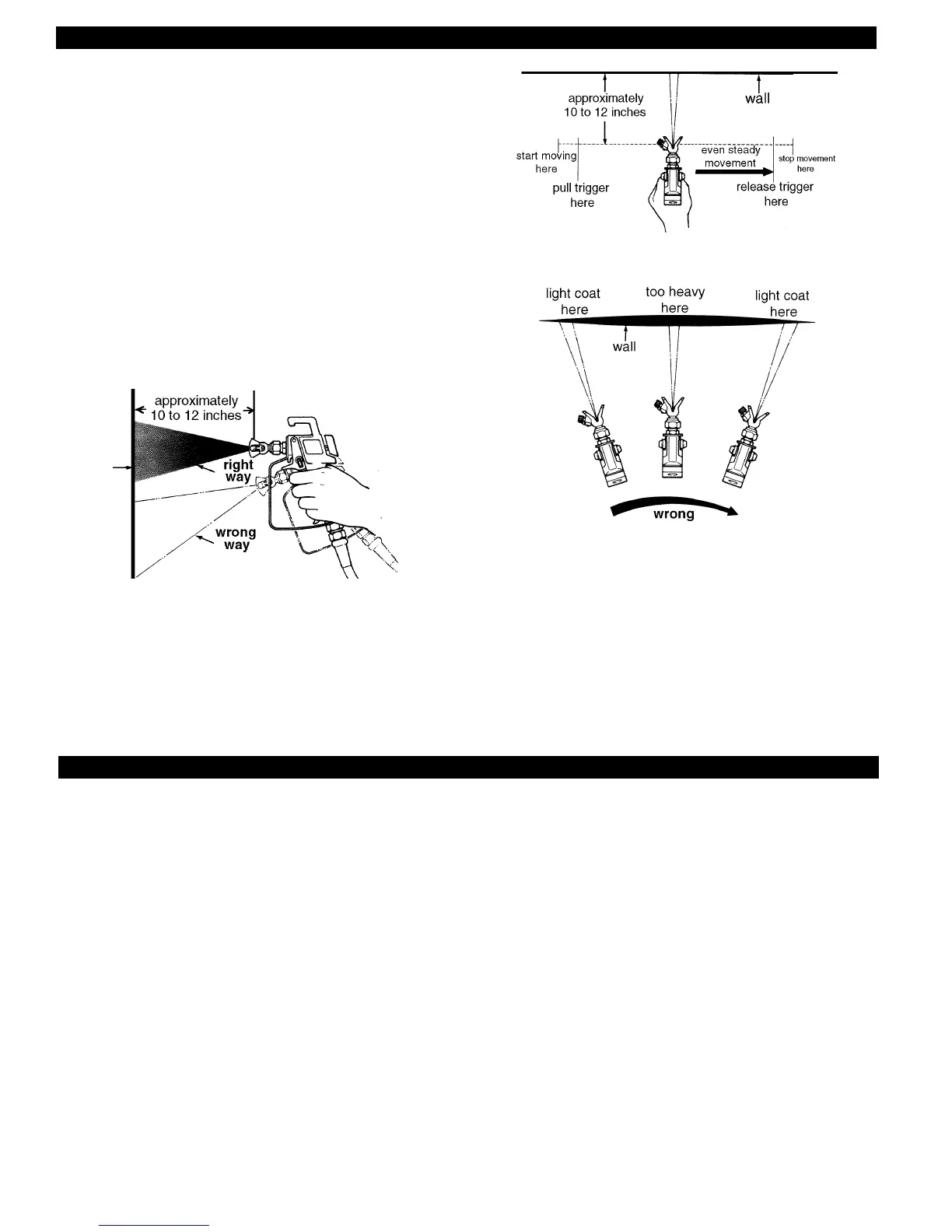
Figure 10. - Proper way to trigger spray gun.
Figure 11. - Result of flexing wrist while spraying.
3) Start moving the gun before triggering. To get smooth overlap
and prevent initial paint buildup, start your stroke movement before
pulling the trigger. At the end of the stroke release the trigger before
stopping. NOTE: To assure uniform paint coverage, overlap each
stroke by 40% - 50%.
4) Intermittent use. If you are spraying and decide to stop for several
minutes, lock the spray gun trigger and submerge the tip in a
container of the appropriate solvent. This will prevent paint from
hardening in the tiny spray opening and clogging the tip. Be sure to
release the pressure by opening prime valve and turning the pump
off.
WARNING: DO NOT BEGIN SPRAYING BEFORE READING THIS
SECTION AND ALL PREVIOUS SAFETY INFORMATION.
PAINTING AND TIP SELECTION:
Correct adjustment of pressure and proper tip selection are crucial to the
best spray pattern....
1) In any situation, the lowest pressure that gives an adequate spray
pattern is the best pressure to use. It will give maximum pump and
tip life and produce minimum overspray.
2) Typically, thicker materials require larger tips and higher pressures
than thinner paints do. Some very thick paints may require slight
thinning (5-10%) depending upon pump and tip size and application.
Generally, thinning is performed when a good spray pattern cannot
be obtained with an appropriate tip size at maximum pressure. (see
figure 8).
SPRAY PAINTING METHOD:
1) Keep the gun perpendicular to the surface. Always hold the gun
perpendicular to the surface with the tip approximately 12" from the
surface. If held at an angle (up and down or side to side) paint will
build up unevenly and leave the work splotchy. (See figure 9).
Figure 9. - Right and wrong way to hold spray gun.
2) Move with a smooth arm stroke. Move the gun at a steady even
pace while keeping the gun perpendicular to the surface. (See figure
10) Do not move the gun by flexing your wrist. Fanning the gun will
cause excessive overspray and uneven coverage. (See figure 11).
HINTS FOR AIRLESS SPRAYING



 To Next Page