
EasyManua.ls Logo

LS LL2300 - User Manual

LS LL2300
52 pages
Print Icon
To Next Page IconTo Next Page
Loading...
Tractor
Option
MT225S
BLADE KIT : 40432042
• 3
rd
FUNCTION KIT : 40432044
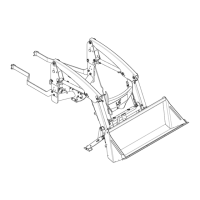
LS LOADER
OPERATOR MANUAL / SERVICE MANUAL
Model: LL2300

Questions and Answers

  • B
    Becky TaylorAug 18, 2025
    How to fix external hydraulic fluid leakage in LS LL2300 Farm Equipment?
    • P
      Patricia ShortAug 18, 2025
      To address external hydraulic fluid leakage in your LS Farm Equipment, start by checking for loose hydraulic connections and tighten them. If the leak persists, inspect hydraulic hoses, tube lines, adapter fittings, and O-rings for defects and replace any damaged parts. Also, examine the control valve O-rings and replace them if they are defective. If the control valve spool or body is damaged or worn, consider replacing the entire control valve. Finally, check the cylinder rod packing set for leakage and repair as needed.
  • D
    Dennis ColeAug 23, 2025
    Why lift and bucket cylinders of my LS LL2300 Farm Equipment aren't working?
    • M
      Matthew DodsonAug 23, 2025
      Several factors can cause issues with the lift and bucket cylinders in your LS Farm Equipment. Begin by checking and replenishing the hydraulic fluid level. Ensure that the hydraulic hoses are correctly connected and not kinked or blocked. Inspect the loader control valve or tractor main relief valve, repairing or replacing the relief valve if stuck open. Check the system pressure. Inspect the control valve linkage for any breaks and repair as needed. Verify that the quick disconnect couplers are fully connected. Check for any damage to hoses or tube lines that would block the flow of oil between the cylinders and control valve. Check the cylinders for internal leakage and inspect the control valve for blockages, disassembling the valve if necessary.
  • V
    Vanessa FranklinAug 26, 2025
    Why does my LS LL2300 have inadequate lifting capacity?
    • S
      Susan PhillipsAug 26, 2025
      If your LS Farm Equipment has inadequate lifting capacity, first, increase the engine RPM. Reduce the load if the material weight exceeds the specified loader capacity. Check and reset the relief valve setting as needed. Inspect the lift cylinders for leakage and repair as needed. Replace the control valve if it's leaking internally. If the hydraulic pump is defective, refer to 'Hydraulic pump capacity Inadequate'.
  • T
    Tanya AtkinsonAug 27, 2025
    Why is the system relief valve squealing in my LS LL2300 Farm Equipment?
    • C
      Craig SanchezAug 27, 2025
      The system relief valve in your LS Farm Equipment might squeal due to several reasons. Start by allowing cold hydraulic fluid to warm up to operating temperature. Reduce the load if the weight exceeds the specified loader capacity. Check and reset the valve setting as needed. Also, check for any restrictions in the hydraulic hose, tube line, or quick disconnect coupler, and repair or replace defective components.
  • T
    Todd MelendezAug 29, 2025
    Why is there aeration of hydraulic fluid in my LS Farm Equipment?
    • T
      Tina ThompsonAug 30, 2025
      Aeration of hydraulic fluid in your LS Farm Equipment, often indicated by a foamy appearance, can be due to several reasons. First, check and refill the hydraulic system to the proper level if the fluid is low. Inspect for loose or defective connections between the reservoir and hydraulic pump that may be allowing air to leak into the suction side of the pump. If the hydraulic fluid is foaming due to improper oil usage, refer to your Tractor operator's manual and replace the hydraulic oil with the recommended type.
  • C
    calvindiazSep 1, 2025
    What causes inadequate hydraulic pump capacity in LS LL2300?
    • D
      Dylan NelsonSep 1, 2025
      Inadequate hydraulic pump capacity in LS Farm Equipment can stem from several causes. First, allow the hydraulic fluid to warm up to operating temperature if it is cold. Increase the engine RPM. Consult the Tractor operator's manual for service recommendations if there is a low hydraulic fluid supply. Check for any evidence of restriction in the hydraulic hoses. If the hydraulic pump is defective, refer to the Tractor operator's manual for recommended service procedures and replace the hydraulic pump if necessary.
  • B
    Bonnie TaylorSep 3, 2025
    What to do if the loader drops with the control valve spool in centered position in LS LL2300 Farm Equipment?
    • A
      Aaron WeberSep 3, 2025
      If the loader drops with the control valve spool in the centered position and there is no external oil leakage evident, check the cylinders for leakage. If the issue persists, replace the control valve and recheck.
  • W
    whiteheadlydiaSep 6, 2025
    What to do if lift and/or bucket cylinders operate in the wrong direction in LS LL2300 Farm Equipment?
    • L
      Laura WatkinsSep 6, 2025
      If the lift and/or bucket cylinders operate in the wrong direction relative to the control valve lever position in your LS Farm Equipment, correct the hydraulic hose connections.
  • M
    Miguel McgrathSep 8, 2025
    Why won't the control valve spool return to the centered position on my LS LL2300?
    • I
      Isaac PetersSep 8, 2025
      If the control valve spool(s) will not return to the centered position on your LS Farm Equipment, it could be due to a few reasons. First, determine if the control lever linkage is binding and repair it. If the control valve spool centering spring is broken, replace it. Lastly, if the control valve spool is binding in the valve body spool bore, disassemble the valve for inspection and repair.
  • S
    Shannon RichardSep 12, 2025
    How to fix uneven bucket cutting edge wear on LS LL2300?
    • N
      Nicole MillerSep 12, 2025
      To fix uneven bucket cutting edge wear on your LS Farm Equipment, check the rear tire inflation and adjust to level the bucket to the ground.

Summary

Warranty Conditions

Warranty Coverage

Details the terms and conditions of the warranty, including coverage for defects in material or workmanship for a period of one year.

Warranty Provisions

Outlines the purchaser's responsibilities and conditions for maintaining warranty validity, such as proper usage and maintenance.

Right to Make Design and Product Changes

States the manufacturer's right to alter product design without prior notification for previously ordered items.

Safety Precautions

Read Manuals and Decals

Emphasizes the importance of understanding operator and safety manuals and decals before using the loader.

ROPS and Seat Belt

Recommends using approved ROPS and seat belts for operator protection during all loader operations.

Yourself

Provides safety guidelines for the operator, including avoiding working under raised loads and operating from the seat.

Others

Instructs on keeping others safe by preventing them from being in the loader's work area or riding on the machine.

Safety Precautions

Preparation

Details necessary pre-operation checks and adjustments for tractor and loader stability and safety.

Before Operation

Covers essential checks before starting the engine, including controls and safety markings.

Operation

Provides crucial safety advice for operating the loader, focusing on stability, speed, and load handling.

Safety Precautions

Large Heavy Objects

Warns against unsafe handling of large objects and specifies precautions for such operations.

Slopes

Details safety measures for operating the loader on slopes, emphasizing caution and proper technique.

Electrical

Advises on avoiding electrical hazards, especially contact with overhead power lines.

Hydraulic

Covers safety precautions related to hydraulic systems, including pressure and leak checks.

Safety Precautions

After Operation

Outlines essential steps to take after operating the loader, including engine shutdown and pressure relief.

Repair

Provides safety guidelines for performing maintenance and repairs on the loader, including protective gear.

Ballast Weight Requirements

Recommended Ballasting; Counterbalance Weights

Specifies minimum ballast requirements for tractor-loader stability, especially at maximum lifting capacity.

Safety Decals

Safety Decal Locations

Identifies the placement of important safety decals on the loader for easy access and visibility.

Care of Safety Decals

Provides instructions on how to maintain, clean, and replace safety decals to ensure their effectiveness.

Introduction

Warranty Registration

Explains the process and importance of filling out warranty registration forms for protection.

Serial Number and Location

Details the significance of the serial number and its location for part ordering and warranty.

Tractor Preparation

Rear Counterweight

Details the necessity and methods of adding rear counterweight for enhanced tractor-loader stability.

Tractor Tires

Advises on selecting appropriate tractor tires based on manufacturer recommendations for safe operation.

Tire Inflation

Specifies recommended tire inflation pressures for maintaining stability and proper loader contact.

Wheel Tread Settings

Guides on setting front wheel tread to recommended specifications for optimal stability.

Front Counterweight

Discourages the use of front counterweight in loader applications due to increased front axle load.

Loader Operation

Precautionary Notes

Provides essential safety notes for loader operations, including bucket positioning and cylinder usage.

Initial Loader Operation

Describes the initial steps for operating the loader, including cycling cylinders and checking hydraulic oil.

Cold Weather Operation

Offers guidance for smooth loader operation in cold temperatures, focusing on warming up the hydraulic system.

Loader Operation

Loading Bucket

Details the correct technique for efficient loading, including bucket angle and movement.

Dumping Bucket

Explains the procedure for dumping material from the bucket, emphasizing smooth movements and level positioning.

Transporting a Loaded Bucket

Provides safety instructions for transporting loads, focusing on low position, speed, and stability.

Scraping

Describes the technique for scraping, ensuring the bucket remains level to the ground.

Backfilling;Back Grading

Outlines the process for backfilling and back grading, including optimal bucket positioning.

Controlled Rate of Loader Functions

Explains how 'feathering' controls operational speeds for precise movement of loader functions.

Loader Installation

Adjusting Steering Angle

Loader Removal

Loader Mounting

Lubrication and Maintenance

Trouble Shooting

Hydraulic System Schematic

Torque Tightening Chart

Part Illustrations

IMFL10. Mounting Group

IMFL20. Boom Group

IMFL40. Bucket Group (Bobcat Type)

IMFL41. Quick Attach Group (Bobcat Type)

IMFL50. Hydraulic Line Group

IMFL60. Boom Cylinder Group

IMFL70. Bucket Cylinder Group

IMFL90. Option 1(Bucket Cutting Edge)

IMFL91. Option 2(3 rd Function Kit)

IMG980. Decal Group

Service Manual(Cylinders)

Boom Cylinder

Provides a detailed illustration and specifications for the boom cylinder assembly.

Bucket Cylinder

Offers a detailed illustration and specifications for the bucket cylinder assembly.

Service Manual(Components)

Bucket and Bucket Cylinders

Details the procedure for removing and installing bucket and bucket cylinders.

Boom Cylinder and Hydraulic Hoses

Explains the process for removing and installing boom cylinders and hydraulic hoses.

Service Manual(Components)

Piston Rod

Describes the disassembly and reassembly of the piston rod, including inspection for damage.

Cylinder Head, Piston and Nut

Details the procedure for removing and installing cylinder head, piston, and nut, with reassembly notes.

LS LL2300 Specifications

General IconGeneral
Drive4WD
Engine TypeDiesel
Hydraulic Remotes1
Fuel Tank Capacity6.6 gal
Engine HP23 HP