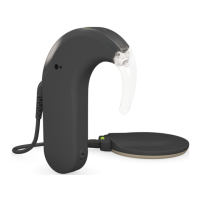
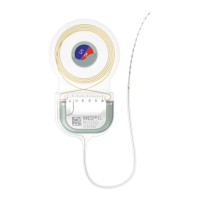
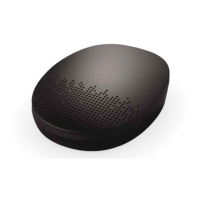
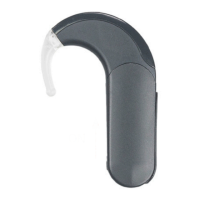
Electronic devices are influenced by electrostatic discharge (ESD). Although the MED-EL
Cochlear Implant System has several internal safety features designed to reduce ESD, there
is a small risk that the external or internal equipment can be damaged if the static discharge
flows through the external equipment. Switching off your speech processor will not prevent
damage from occurring. In rare cases, the user may experience uncomfortably loud hearing
sensations, however, the most likely occurrence in case of an ESD event is a short interruption
of stimulation or a controlled speech processor shutdown.
• If you believe that you or your child is statically charged, discharge by touching a radiator, a
water tap, or any grounded metal object.
• Do not allow another person to touch the external parts of your implant system unless
both you and the other person are “discharged”.
• You should always discharge before taking off or putting on the OPUS 2 speech processor.
To do this, use this two step approach:
(A) When removing another person’s speech processor:
Step 1 Touch the person’s body
Step 2 Touch the processor
(B) When picking up the speech processor from a table or other surface:
Step 1 Touch the table
Step 2 Pick up the processor
• You or your child should always be “discharged” when leaving the car. Touching the car
door is a good way to discharge. The speech processor or cables should neither touch the
car door nor other parts of the car body.
• Use an antistatic spray for upholstery, TV or computer screens to reduce static build-up.
These sprays are also available for carpets or clothing.
• Always remove your speech processor before dressing and undressing, especially if
garments include synthetic fibers. Generally, cotton and natural fibers are less likely to
cause ESD problems. Fabric softeners might also help reduce static electricity. When
getting dressed, put your OPUS 2 speech processor on last, and remove it first when
undressing.
• Always remove the OPUS 2 speech processor and coil before touching plastic play
equipment (e.g. children’s slides). Switching off the speech processor may not be enough to
prevent ESD damage. Completely remove the speech processor from the body. Afterwards,
do not touch the site of the implant. Make sure that you or your child “discharge” before
touching the speech processor. If you have any doubt about a particular material, it is best
to be cautious by removing the OPUS 2.


 To Next Page