Neurostimulation or diathermy must not be carried out in the area of the implant since it
could lead to current induction at the electrodes. This may damage the implant and/or the
surrounding tissue.
Monopolar electrosurgical instruments must not be used close to the cochlear implant.
Instruments used in electrosurgery can produce high-frequency voltages which may induce
currents in the electrodes of the cochlear implant. Such currents may damage the implant and/
or the surrounding tissue.
Electroshock or electroconvulsive therapy should not be used in patients with cochlear implants.
Such therapy may damage the implant and/or the surrounding tissue.
Any necessary ionizing radiation therapy should be carefully considered and the risk of damage
to the cochlear implant has to be carefully weighed against the medical benefit of such therapy.
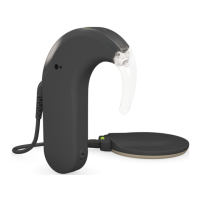
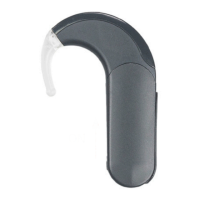
Switch off and remove your OPUS 2 speech processor in the vicinity of strong ionizing radiation
like X-ray diagnosis machines to prevent any possible interference with the electronics.
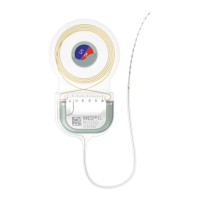
Only 0.2T MRI scanners should be used on patients who have PULSARCI
100
or SONATATI
100
implants. There is no need to remove your implant’s internal magnet, but you should always
remove your OPUS 2 speech processor before undergoing a MRI scan. Most 0.2T MRI machines
are “open MRI”. Unlike other tube-like MRI scanners, the open MRI machines have a clear,
unobstructed space on one or more sides allowing patients to see and talk to imaging personnel
and loved ones during the exam. If you have difficulty locating 0.2T MRI scanners, MED-EL can
provide a list of scanners and their locations.
Please have your radiologist contact MED-EL Corporation for details on the appropriate
scanning techniques with the PULSARCI
100
or SONATATI
100
implants before scheduling your
exam. The following is a list of some of the most important information that your radiologist
should know before s/he begins your scan:


 To Next Page