22
SYSTEM
Table 2 Optimized values for air temperature correction
a
s
d
(m) k c
p
(J mol
–1
K
–1
)
Max S
t
(W/m
2
)
0.295 0.00083 0.0984 29.3 352.3
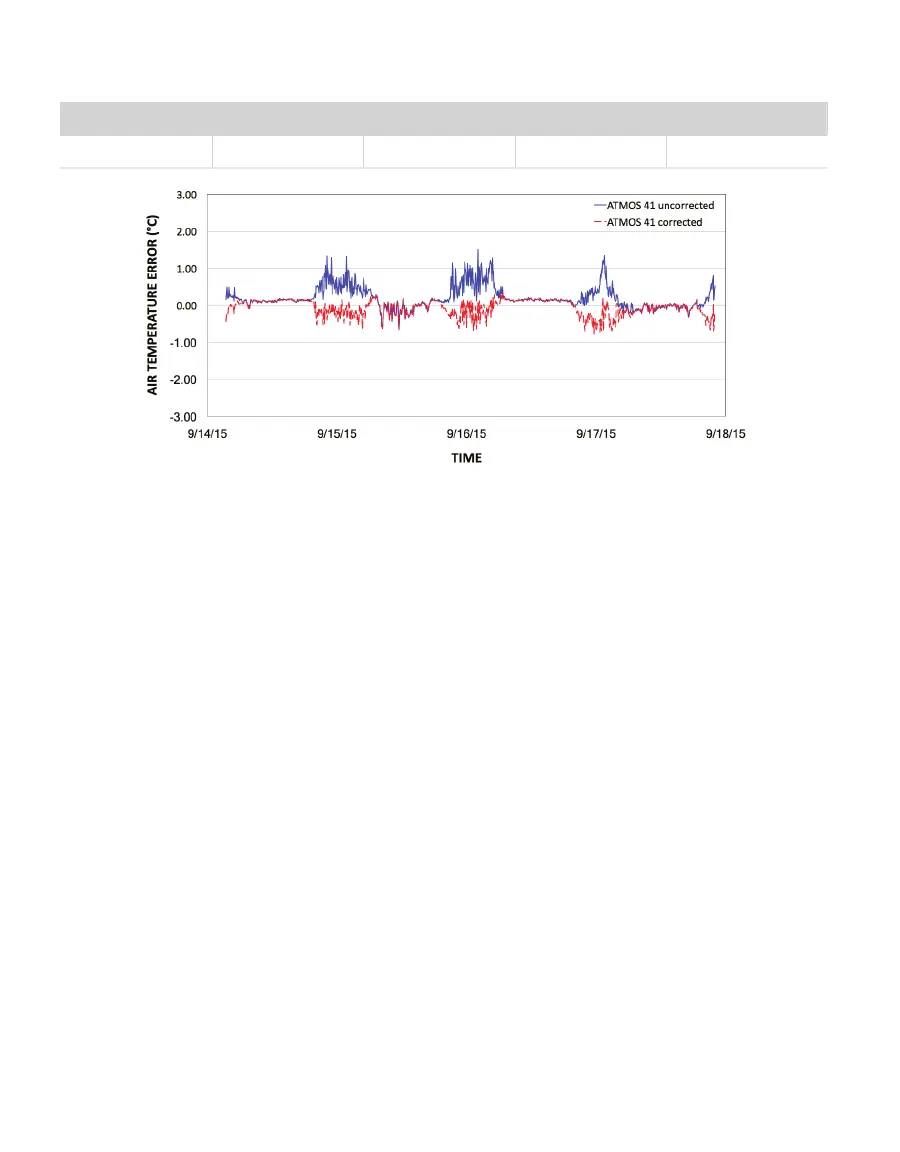
Figure12 Corrected air temperature comparison with the aspirated
radiation shield using 1-min measurement intervals
Figure12 shows the results from the temperature correction compared to the aspirated
temperature, which shows data sampled at 1 min and not averaged over time. The estimated
accuracy of the air temperature measurement, based on two standard deviations (95%
confidence interval), is 0.42 °C. To provide an idea of how comparable the data are, a
concurrently tested temperature sensor in a radiation shield (typical measurement
approach) showed an accuracy of 0.66 °C, also based on a two-standard deviation estimate.
Thus, the temperature correction of the ATMOS41 appears to give a better estimate of actual
air temperature than the generally accepted radiation shield technique.
NOTE: Without correction, the accuracy of the temperature measurement is ±2 °C.
3.11 LIMITATIONS
The ATMOS41 is engineered to be a robust device with minimal downtime. However, it does
have limitations that will affect its measurements under some conditions.
3.11.1 SNOW AND ICE ACCUMULATION
The ATMOS41 is not heated, so it will not measure frozen precipitation until snow andice
that have accumulated in the funnel melt. In locations with heavy snowfall or long periods
below freezing, it is almost certain that snow accumulation will fill the funnel and no longer
accumulate, leading to inaccurate precipitation measurements even when the precipitation
melts. Accumulation of snow, ice, or frost will also adversely affect the accuracy of the
solar radiation measurement and can compromise the wind measurements if accumulation
occurs in the anemometer acoustic pathway or on the acoustic mirror (Section 4.3). See


 To Next Page