
 Need help?
Do you have a question about the Motorola CPEI 885 Series and is the answer not in the manual?
 General
| Brand | Motorola |
|---|---|
| Model | CPEI 885 Series |
| Category | Network Router |
| Language | English |
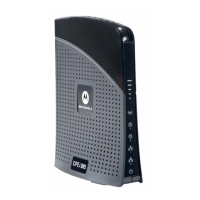
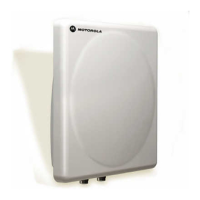
Introduction to the Motorola CPE Indoor CPEi 885 desktop device, highlighting its wireless connectivity and VoIP capabilities.
Details the key features of the CPE device, including WiMAX Authentication, WAN DHCP Client, LAN DHCP Server, Home Gateway Functions, Firewall Protection, Port Forwarding, and Wi-Fi.
Describes the LED Link/Activity indicators on the front of the CPE unit and their functions during initialization and network connections.
Details the ports and connectors on the back of the CPE unit, including RESET, WPS, DC Power Connector, Ethernet, and telephone ports.
Provides essential operating information for the CPE device, including its operating temperature range.
Guidance on reviewing installation sections, including 'Before You Begin' and 'Easy Setup' for the Desktop CPEi 885 Series.
Instructions to check for necessary items before starting the installation of the Desktop CPEi 885.
Provides a straightforward setup procedure for the CPE device, including connecting power and network cables.
Explains how to connect the CPE device to a multi-port switch (hub) to allow multiple computer connections.
Details the steps required to log into the Desktop CPE, including verifying computer network configuration.
Guides users through the initial setup wizard, including changing the default password for security.
Describes the Personalize menu, which includes tabs for Password, Device Time, Device Name, and Restore Factory Settings.
Details the Internet menu, covering WiMAX Security, Internet Protocol, Firewall, and Dynamic DNS settings.
Explains how to manage Voice over Internet Protocol (VoIP) services, including Account, Ring Tone, Caller ID, and Call Forwarding settings.
Covers basic Wi-Fi (Wireless LAN) network settings, including enabling Wi-Fi service and configuring the network name (SSID).
Enables users to select wireless LAN security protocols for authentication and secure data transmission on the Wi-Fi network.
Details WEP (Wired Equivalent Privacy) security settings, including authentication type, encryption strength, and passphrase.
Explains how to simplify wireless security setup using WPS, including Push Button Control (PBC) and Personal Identification Number (PIN) methods.
Enables directing incoming traffic to specific LAN hosts based on protocol and port number for Internet games or local services.
Allows configuration of Local Area Network (LAN) connections, including DHCP Server, Lease Status, and Lease Reservation.
Enables Dynamic Host Configuration Protocol (DHCP) server functionality on the LAN for automatic IP address assignment to clients.
Provides access to view and update device software, certificates, and system information.
Configures advanced Wi-Fi settings such as Beacon Interval, RTS Threshold, Preamble Type, Fragmentation Threshold, DTIM Interval, and CTS Protection Mode.
Step-by-step guide to configuring TCP/IP settings for a Windows XP operating system.
Step-by-step guide to configuring TCP/IP settings for a Windows Vista operating system.
Troubleshooting steps for power-related problems with the Desktop CPE, checking adapter and outlet connections.
Guidance on resolving issues where a computer cannot log on to the CPE, focusing on Ethernet cable connections.
Steps to troubleshoot internet connectivity problems, including checking CPE status and re-running the setup wizard.
Information on seeking further assistance for troubleshooting issues not covered in the manual.








 To Next Page