EasyManua.ls Logo

mycom 4032**C Series - User Manual

mycom 4032**C Series
128 pages
Print Icon
To Next Page IconTo Next Page
Loading...
2201Q4JE-MY-C9-N_2018.01.
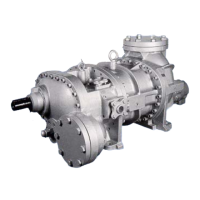
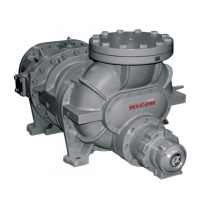
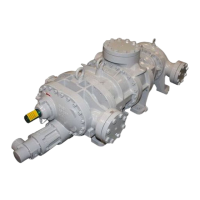
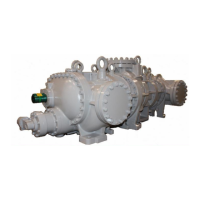
Compound 2-stage Screw Compressor
4032 * * C Instruction Manual
4032XLLLC/4032LLLLC/4032LLLC/4032LLMC/4032LLSC
4032LLC/4032LMC/4032LSC/4032MLC/4032MMC/4032MSC
4032SLC/4032SMC/4032SSC
CAUTION
Before operating, servicing, or inspecting this product, read this manual thoroughly to fully
understand the contents.
Keep this Instruction Manual in a safe, designated place for future reference whenever the
manual is needed.
Specifications of this product and contents of this manual are subject to change without
prior notice due to technical improvements, and the like.

Table of Contents

Questions and Answers

  • S
    Stephanie AnthonyAug 17, 2025
    What to do if my mycom Air Compressor stops immediately after startup?
    • M
      Matthew MaddenAug 17, 2025
      If your mycom Air Compressor stops immediately after starting, it may be due to insufficient refrigerant flow. This could be caused by insufficient refrigerant – check for leaks, stop them, and add refrigerant, paying attention to moisture in the system. Another cause could be insufficient liquid supply – inspect the expansion valve and liquid supply strainer and take necessary actions. Also, inspect devices and parameters of the expansion valve aperture adjusting mechanism. Heat exchange failure in the heat exchanger, such as malfunction of defrosting, can also cause this issue; investigate the cause and take necessary actions. Finally, it could be due to the failure of a low-pressure protection device, pressure sensor, relay, etc.; identify and replace any defective devices.
  • D
    Deanna BeckNov 1, 2025
    What to do if my mycom Air Compressor does not start up?
    • A
      Amy SmithNov 2, 2025
      If your mycom Air Compressor doesn't start, it could be due to several reasons. It's often because the unit wasn't turned on after inspection; using a checklist for post-inspection actions can help. Another common cause is the activation of the overload protection circuit – refer to the motor's operation manual for details. Other potential causes include a micro-switch failure (replace it), loosening of the micro-switch or cam set screw (adjust and tighten, using thread locking agent if needed), improper oil flow control valve adjustment (readjust), leaks or clogs in piping or the solenoid valve (remove the cause and check/replace the oil), failure of oil pressure protection devices (identify and replace defective devices), a clogged pressure pipe (remove the clogging and check/replace the...
  • J
    James HansonNov 6, 2025
    Why is my mycom Air Compressor generating abnormal vibration and/or sound?
    • J
      Johnathan NelsonNov 6, 2025
      Abnormal vibration and sound in your mycom Air Compressor can stem from several issues. If the shaft vibration value is high, realign the shaft, performing a hot alignment for monocoque units. Unevenly tightened lock nuts or thrust bearing glands can also cause this; tighten the glands evenly if the nuts aren't loose and the bearing is intact. Check the thrust bearing for worn rolling elements or a missing lock washer tooth, replacing it and adjusting end clearance and shaft runout if necessary. Continuous low-load operation (capacity control not greater than 30%) can also be a factor, as lubricating oil isn't discharged effectively, so avoid this where possible. Finally, refrigerant liquefying and staying inside upstream piping when the equipment is stopped can cause vibration; identify a...
  • J
    John DanielNov 11, 2025
    What causes unusually high pressure (abnormal discharge pressure) in my mycom Air Compressor?
    • N
      Nicholas McgeeNov 11, 2025
      Unusually high pressure in your mycom Air Compressor can be caused by contaminated or blocked heat transmission tubes and/or fins, which can be resolved by cleaning, possibly with chemicals. Other causes include water loss of the water pump or failure in the fan motor, thermo switch, water spraying pipes, cooling water pumps, etc. - identify and replace any defective devices. Check for faulty adjustment of cooling water/brine flow and readjust the valve, or investigate the cause if an automatic control valve is used. Insufficient flow of cooling water can also be a factor; inspect filters for clogging, check for leaks, and inspect water supply routes. If frozen, improve heat insulation or increase the temperature. A deficiency in heat exchanger performance can also contribute; re-examine o...
  • T
    Tyler MolinaNov 21, 2025
    Why is the intermediate pressure unusually high in my mycom Air Compressor?
    • H
      heatherpowellNov 21, 2025
      An unusually high intermediate pressure in your mycom Air Compressor may occur if the heat load on the load side is higher than the design value; inspect the conditions on the load side, such as warehousing volume and door activity, and take corrective measures. It could also be due to a malfunction of the suction pressure control mechanism; replace the pressure sensor if there's a pressure sensing failure, and consider changing the pressure pick-up position if it's improper. Other potential causes include failure or internal leakage of the intermediate liquid supply expansion valve (repair or replace it), malfunction of compressor's capacity control (see Item No. 11 "Capacity control malfunction"), excessive wear or sliding part damage on the compressor's high-stage (overhaul the compress...
  • N
    Nancy KennedyNov 26, 2025
    What causes low oil pressure (low lubricating oil supply pressure) in my mycom Air Compressor?
    • A
      April LopezNov 26, 2025
      Low oil pressure in your mycom Air Compressor can be attributed to several factors. One cause is contamination of the lubricating oil; remove any clogging and check/replace the oil. Internal defects within the compressor can also lead to this issue; check for oil contamination and conduct vibration/noise diagnosis, overhauling the compressor if necessary. If the oil heater isn't functioning, refrigerant may excessively dissolve when the machine is stopped, leading to oil loss at startup; inspect the oil heater and related circuits, replacing parts as needed. Insufficient oil return due to insufficient refrigerant circulation can also cause low oil pressure; correct the refrigerant circulation and return oil from the load-side heat exchanger, temporarily supplying lubricating oil if needed....

Summary

Chapter 1 Safety

1.1 Strict Requirements and Prohibitions

Rules for safe operation, maintenance, and handling procedures.

1.2 Warnings

Explanation of warning symbols and their meanings for safety.

1.3 Residual Risks

Identification of potential hazards and necessary countermeasures.

1.4 Safety Devices

Details on emergency stop buttons, breakers, and protective devices.

Chapter 2 Compressor Specifications and Structure

2.1 Overview of MYCOM 4032**C

Introduction to the compound 2-stage screw compressor model.

2.2 Model Designation of the Compressor

Explanation of the compressor's model naming system.

2.3 Compressor Specifications

Technical specifications including mass, volume, and working fluid.

2.3.2 Operation Limits

Maximum and minimum operational parameters for the compressor.

2.4 Compressor Structure

Detailed internal components and layout of the compressor.

2.5 Mechanisms

Explanation of the functional principles of compressor parts.

Chapter 3 Installation

3.1 General Precautions for Installation

Safety and general guidelines before compressor installation.

3.2 Installation Works

Procedures for unpacking, storage, and transportation.

3.2.5 Installation

Steps for compressor installation and shaft alignment.

3.2.5.3 Piping Connection

Guidelines for connecting refrigerant and oil piping.

Chapter 4 Compressor and Package Unit Operation

4.1 Lubricating Oil (Refrigerant Oil)

Guidance on selecting, handling, and managing lubricating oil.

4.1.4 Lubricating Oil Management Criteria

Criteria for assessing lubricating oil quality and condition.

4.2 Precautions for Operation

Safety measures and important considerations during operation.

Chapter 5 Maintenance and Inspection

5.1 Precautions for Maintenance and Inspection

Safety guidelines and precautions for maintenance work.

5.2 Maintenance and Inspection List

Details on daily and periodic inspection items and schedules.

5.3 Compressor Disassembly Preparation

Necessary tools, workplace setup, and replacement parts.

5.4 Disassembly and Inspection

Step-by-step procedures for component disassembly and inspection.

5.5 Reassembly

Procedures for reassembling the compressor after maintenance.

Chapter 6 Troubleshooting

01: Compressor does not start up

Common causes and actions for startup failures.

02: Compressor stops immediately after startup

Causes and solutions for immediate shutdown after startup.

04: Low oil pressure (low lubricating oil supply pressure)

Troubleshooting steps for low oil pressure issues.

06: Unusually high pressure (abnormal discharge pressure)

Diagnosing and resolving abnormal discharge pressure.

12: Compressor generates abnormal vibration and;or sound

Identifying and resolving vibration and noise issues.

Chapter 7 Related Documents

7.1 Exploded Views, Assembly Sectional Views

Visual diagrams of compressor parts and assemblies.

7.2 Parts Configuration Table

Detailed list of compressor parts, codes, and quantities.

7.3 Tightening Torques for Bolts and Nuts

Specifications for tightening torque values for fasteners.

mycom 4032**C Series Specifications

General IconGeneral
Brandmycom
Model4032**C Series
CategoryAir Compressor
LanguageEnglish

Related product manuals