ACCESS GATEWAY
System Administration 269
5. Enter the External IP Address.
6. Enter the External Port reference.
7. Optional: Enter the Remote IP Address. Leave this field set to zero if you want to
connect to the internal device from any network-side workstation.
8. Optional: Enable the Protect with Source IP-based Access Control option. Enabling
this will only allow address in the source-based access control list to connect on this port
mapping. Source-based access control needs to be enabled for this to be in effect.
9. Optional: Enter the Remote Port reference. Leave this field set to zero if you want to
connect to the device from any TCP/UDP port of a network-side workstation.
10. Select the protocol (TCP or UDP) from the pull-down menu.
11. Click on the Add button to add this static port, or click on the Reset button to reset all
values to their previous state.
To delete static ports
1. From the Web Management Interface, click on System, then Static Port-Mapping. The
Static Port-Map screen appears:
2. Select the item you want to delete.
3. Click on the Delete button to delete the static port, or click on the Reset button to reset
your changes to their previous state.
For more information about Static Port-Mapping, see also:
“Displaying the Static Port Mapping Table {Static Port-Mapping}” on page 189
Updating the Access Gateway Firmware {Upgrade}
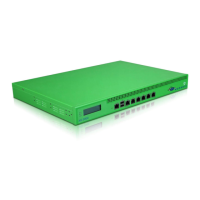
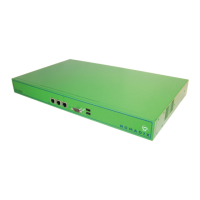
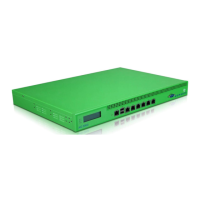
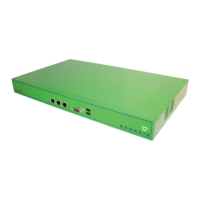
Upgrading the Access Gateway firmware is performed from the Access Gateway’s Command
Line Interface (CLI) only. Refer to the Firmware Upgrade Procedure (separate document
available from Nomadix Technical Support).
The External IP address field will default to the IP address of the Access
Gateway.


 To Next Page