Need help?
Do you have a question about the Nomadix EG 6000 and is the answer not in the manual?
Guides the initial setup process for the Edge Gateway, including connecting to a network.
Guides through setting up a static IP address for the WAN port, entering IP, subnet, and gateway details.
Details configuring the WAN port using DHCP client mode, obtaining IP settings automatically.
Explains PPPoE setup with dynamic IP, including service name and authentication details.
Guides on PPPoE setup with a static IP, requiring manual entry of IP details.
Explains the EULA acceptance process required to obtain the license key and reboot the EG.
The Nomadix Edge Gateway (EG) family of products are designed to provide robust and reliable network access control and management, catering to various environments from small businesses to large hospitality venues. This quick start guide serves as an initial reference for setting up and configuring these gateways, ensuring a smooth deployment process.
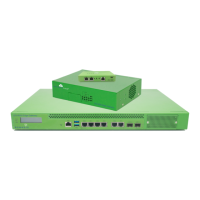
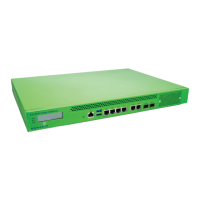
The Nomadix Edge Gateway acts as a central point for managing network access, particularly for guest and public Wi-Fi services. Its primary function is to control who can access the internet, how they access it, and to enforce policies related to bandwidth, session duration, and authentication. The gateway is crucial for environments requiring secure, managed, and monetized internet access. It integrates with various systems, including Property Management Systems (PMS), to provide a seamless user experience and streamline operational tasks. The EG family supports different deployment scenarios, from desktop installations for smaller units like the EG 1000 to rack-mounted solutions for larger capacities such as the EG 3000 and EG 6000.
The core functionality revolves around its ability to act as a Network Access Controller (NAC), ensuring that only authorized users can connect to the internet. This involves handling user authentication, managing IP addresses, and enforcing network policies. The gateway can be configured to operate in various WAN port modes, including Static IP, DHCP Client, and PPPoE client, offering flexibility to adapt to different network infrastructures. Once configured, it retrieves a license key from the Nomadix license key server, which is essential for its full operation and access to features.
The Nomadix Edge Gateway offers a range of usage features designed to simplify deployment and management. The initial setup involves connecting the gateway to a power source and a laptop for configuration. The ETH1 Ethernet port is designated for administration, allowing an administrator to connect a laptop and configure the gateway's network settings using a specific IP address, netmask, and gateway. This direct connection ensures secure initial access to the device.
For configuration, the gateway utilizes an SSH (Secure Shell) client connection, typically through tools like PuTTY, Hyperterm, or Procomm. This command-line interface allows administrators to log in with default credentials (admin/admin) and begin the initial WAN port configuration. The system guides the user through selecting the configuration mode (static, dhcp, pppoe) and entering necessary network parameters such as IP address, subnet mask, gateway IP address, DNS servers, and domain name. This step-by-step process ensures that the gateway can connect to the internet and retrieve its license key.
The gateway also supports various power cord options to accommodate different international jurisdictions, highlighting its global applicability. For physical installation, smaller units come with bumper kits for desktop use, while larger models like the EG 3000 and EG 6000 include 19" rack mount brackets and screws, allowing for integration into standard server racks. This versatility in physical deployment ensures that the gateway can be installed in diverse environments.
Once the initial WAN configuration is complete and the license key is retrieved, the gateway reboots. After this, the Web Management Interface (WMI) becomes available for more comprehensive configuration. The WMI provides a graphical interface for managing advanced features, including billing and authentication methods (AAA Services) and hotel-specific functionalities (PMS Service). This dual approach of command-line for initial setup and a graphical interface for ongoing management offers both flexibility and ease of use.
The DHCP server settings are a critical usage feature, enabled by default. Administrators can modify the default DHCP pool, add new pools, or delete existing ones to manage IP address allocation effectively. The guide provides default values for DHCP services, relay options, IP addresses, and subnet masks, offering a baseline for configuration. The recommended lease pool size is 75% more than the number of licensed subscribers, ensuring sufficient IP addresses for peak usage.
The gateway's ability to integrate with PMS systems via an optional PMS Serial Interface Kit (including a cable and optical isolator) is a key feature for hospitality environments. This integration allows for automated billing and user management, enhancing the guest experience and reducing manual administrative tasks.
While the quick start guide primarily focuses on initial setup, it implicitly touches upon several maintenance-related aspects. The availability of detailed documentation, including user guides, XML DTD, MIB, and Radius Dictionary, accessible via the Nomadix technical support website, is a crucial maintenance feature. This comprehensive documentation empowers administrators to troubleshoot issues, understand advanced configurations, and maintain the gateway effectively.
Technical support is readily available via phone and email, providing a direct channel for assistance in case of problems. This support infrastructure is vital for ensuring continuous operation and resolving complex issues that may arise during the gateway's lifecycle.
The process of retrieving a license key from the Nomadix license key server is also a form of maintenance, as it ensures the gateway is properly licensed and functional. The system's ability to contact the license key server and reboot upon successful key retrieval indicates an automated mechanism for license management. The "Software License Subscription start date" is tied to this process, highlighting the importance of maintaining an active license for continued service.
The modular design, with different power cord options and rack mount kits, also contributes to ease of maintenance. Should a power cord need replacement due to damage or regional changes, it can be easily swapped. Similarly, the ability to securely mount the EG 3000 and EG 6000 in a rack ensures physical stability and organized cable management, which simplifies access for maintenance tasks.
The command-line interface (CLI) used for initial configuration, with options to "show all," "show interface
The gateway's robust design and the availability of comprehensive support resources contribute to its overall maintainability, ensuring a long and reliable operational life.

 To Next Page
 General