Field procedure 43
Do not hesitate to record more measurements with different numbers of impulses. For example you can scan
a large area before doing a second detailed precision measurement. Especially if searching for bigger objects
you can proceed like this. With this manner you can measure a larger area very quickly and afterward you
make new scans localizing the suspect targets.
When conducting a scan it is important to not only make note of how many impulses are being used but to get
a clear picture of what you are scanning, it is very important to watch your speed. Every scan line should be
measured at the same speed as the previous line.
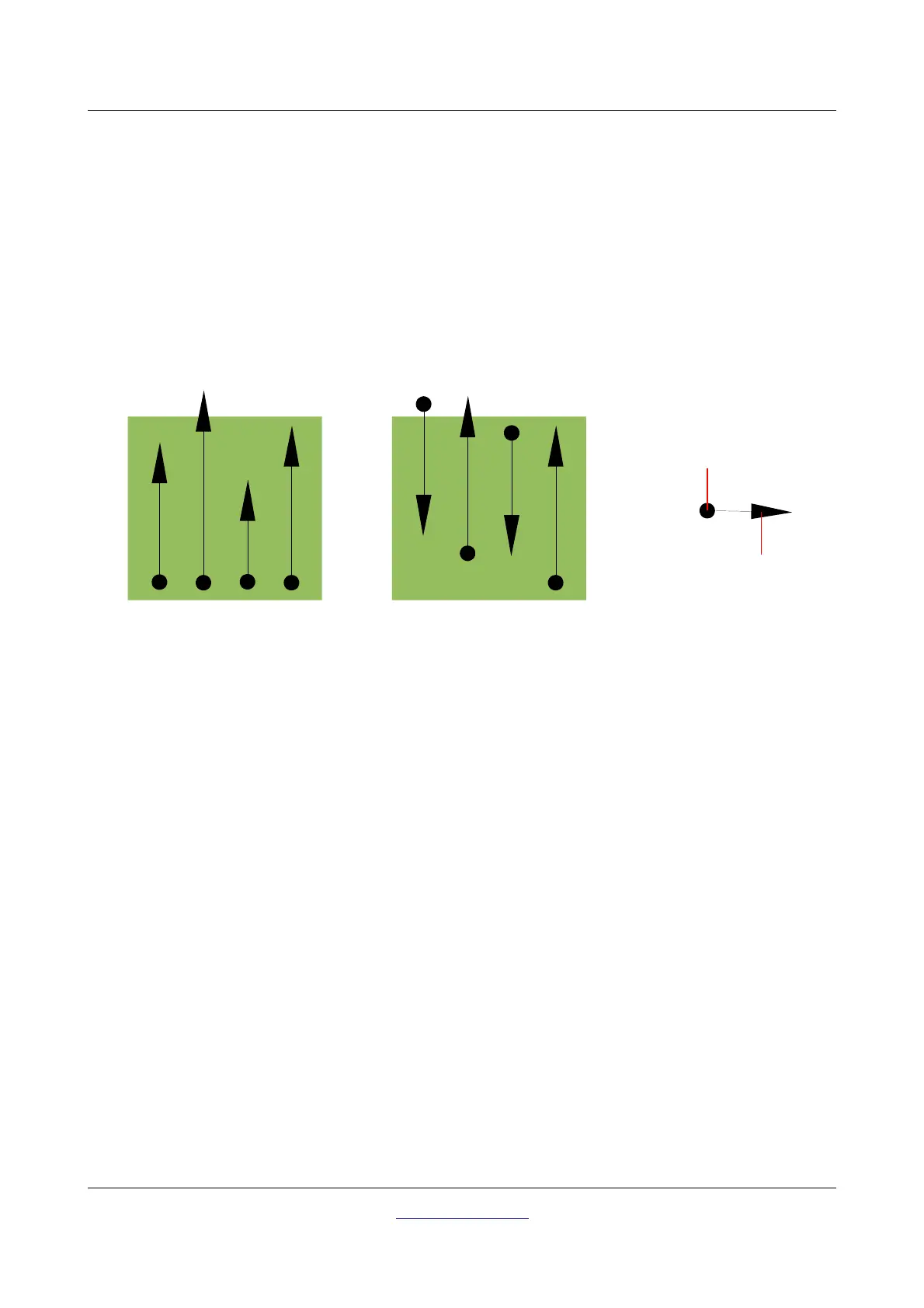
Figure 8.5 shows what can happen, if you walk at different speeds during your scan.
Using a different walking speed in the scanning paths, will cause displacements in the scanning path. As a
matter of fact, a target can get cut into several smaller items or completely lost because it was missed. Later
when the data is downloaded for further analysis, speed errors can make a target completely unidentifiable
and may be discarded.
In general, the following rule is valid: Keep scans at practical sizes where you can see the beginning and stop
lines and can comfortably traverse an area to keep your speed and the distances reasonable.
8.2 Special advices for field procedure
There are some aspects which you should take note of when conducting scans. In principle, a scan is only as
good as the path that was taken. Making errors while scanning will show up in the final graphical
representation also as an error. This will cause frustration and lost time.
Before you start with a measurement in the field, you should think of what you are looking for and if the
selected area is suitable. Measuring without a plan usually will produce unacceptable results. Please
consider the following advice:
• What are you looking for (graves, tunnel, buried objects, ...)? This question has direct effects on how
a scan is conducted. If you are looking for larger targets, the distance between the single measure
points and scanning paths can be larger, as if you are looking for small targets.
OKM GmbH
www.okmdetectors.com
Figure 8.5: Different walking speeds during scanning


 To Next Page