Guide Bar
Mechanical Timber Harvesting Handbook
84
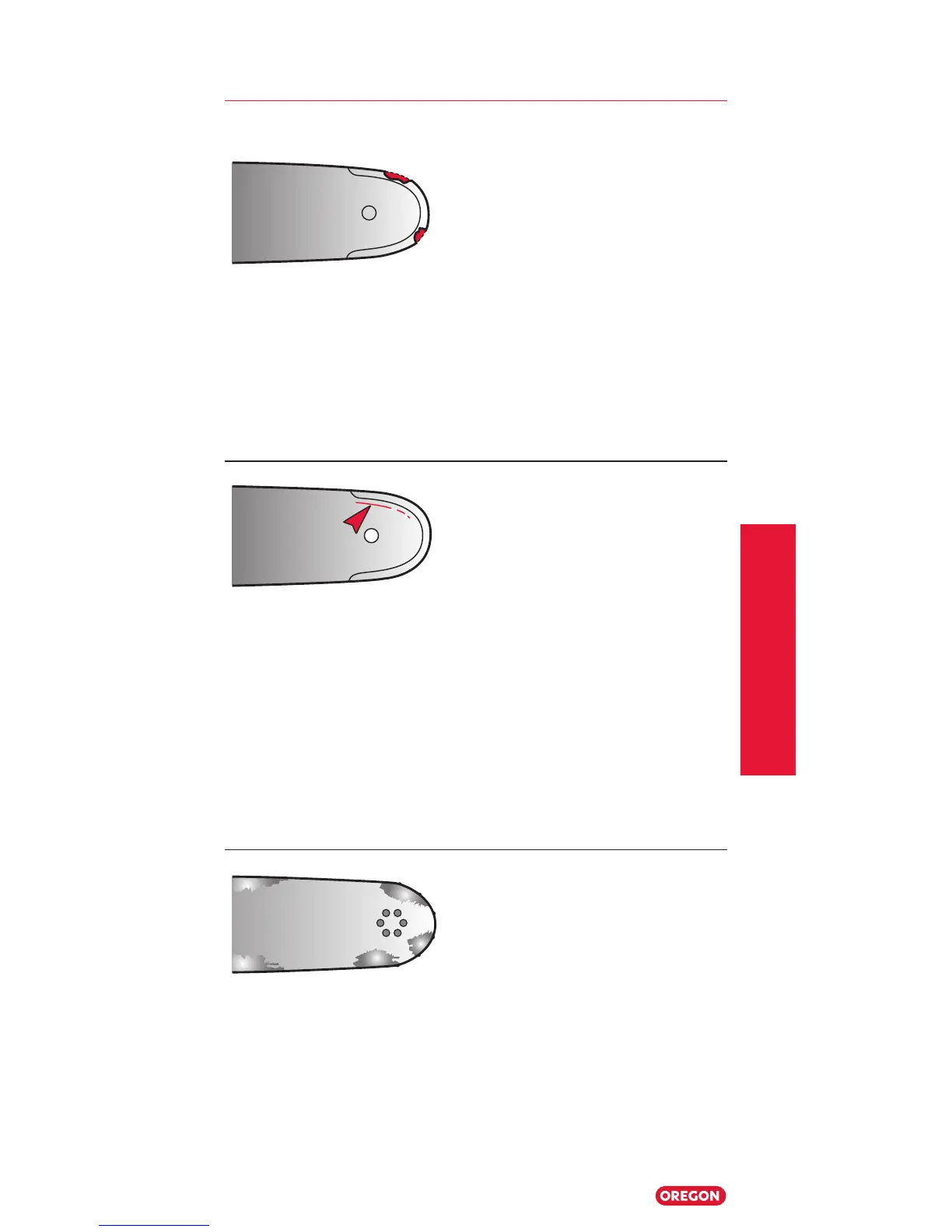
4. Rails around the tip of solid-
nose guide bars show small
cracks or broken-out sections.
Cause: Accidents or irregular operating
techniques, which push drive links
sideways or place excessive pressure on
the nose, can cause breaks or cracks.
Symptoms: Damage to tie-straps and
cutters, saw chain throws, short guide
bar life.
Remedy: Your dealer may be able to
repair minor damage on a relatively
new guide bar. If not, replace guide
bar immediately.
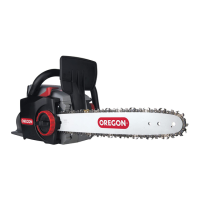
5. Rails around the tip of the
solid-nose guide bars are split
at the bottom of the guide bar
groove.
Cause: Accidents or irregular
operating techniques, which push
drive links sideways or place
excessive pressure on side of the
nose, can cause breaks or cracks.
Symptoms: Rails spread and chain
rides on the groove bottom, causing
drive link damage and the saw chain
leans during cutting.
Remedy: Your dealer may be able to
repair minor damage on a relatively
new guide bar. If not, replace guide
bar immediately.
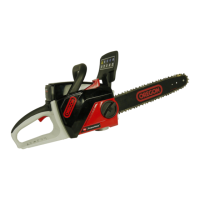
6. Rails along the guide bar body
or around the tip of sprocket nose
guide bars show blue discoloration.
Cause: Pinched rails, lack of
lubrication, or accidents and improper
cutting techniques. These actions
can push drive links sideways in the
groove, creating extreme friction-
generated heat.
Symptoms: Blue spots on rails
indicate temperatures reaching 600° F
(315° C) and rail softening. Rails wear
quickly. Saw chain drive link damage.
Remedy: Replace the guide bar and
saw chain.
Guide Bar Troubleshooting



 To Next Page