8.6
Jitter
No jitter visible in each condition. In case
of problem
a limit sample has to be defined.
8.7
Missing Pixels / missing subpixel (PM)
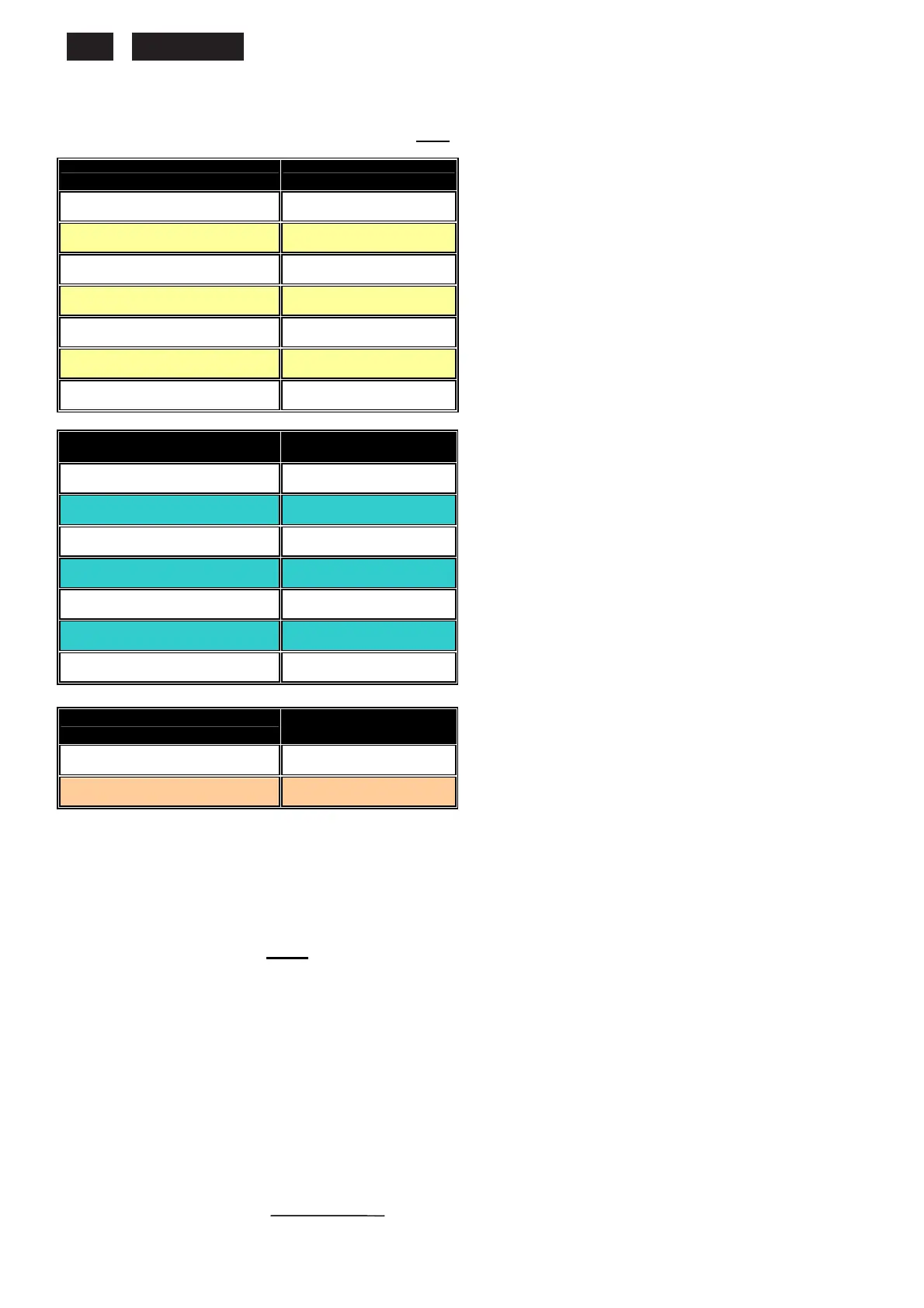
BRIGHT DOT DEFECTS ACCEPTABLE LEVEL
MODEL 231E
1 lit subpixel 3
2 adjacent lit subpixels 1
3 adjacent lit subpixels (one white pixel)
0
Distance between two bright dot defects*
15mm
Bright dot defects within 20 mm circle
0
Total bright dot defects
3
TOTAL DOT DEFECTS
ACCEPTABLE LEVEL
MODEL 231E
Total bright or black dot defects of all
types 5
8.8
Newton Ring
No Newton Rings visible.
8.9
Luminance
Output
8.9.1
Luminance Output
(EE)
Test resolution:
1920 x 1080 @60Hz
Test condition:
video input (RGB) = maximum white
8.9.2
Brightness
To follow Panel specification. sRGB = 80 ± 10 nits.
8.9.3
Brightness uniformity
Set contrast
at 100% and turn the brightness to get average above 300 nits at centre of
the screen. Apply the
Fig 1, it should comply with the following formula:
B_min
X
100%>75%
B_max
Where B_max = Maximum brightness
B_min = Minimum brightness
BRIGHT DOT DEFECTS ACCEPTABLE LEVEL
MODEL 231E
1 dark subpixel 5
2 adjacent dark subpixels 2
3 adjacent dark subpixels (one white
pixel)
1
Distance between two dark dot defects*
15mm
Black dot defects within 20 mm circle
1
Total black dot defects of all types
5






 To Next Page