TDA8950_2 © NXP B.V. 2009. All rights reserved.
Product data sheet Rev. 02 — 11 June 2009 14 of 39
NXP Semiconductors
TDA8950
2 × 150 W class-D power amplifier
12. Dynamic characteristics
12.1 Switching characteristics
[1] V
P
is the supply voltage on pins VDDP1, VDDP2 and VDDA.
[2] When using an external oscillator, the frequency f
track
(500 kHz minimum, 900 kHz maximum) will result in a PWM frequency f
osc
(250 kHz minimum, 450 kHz maximum) due to the internal clock divider; see Section 8.2.
[3] When t
r(i)
> 100 ns, the output noise floor will increase.
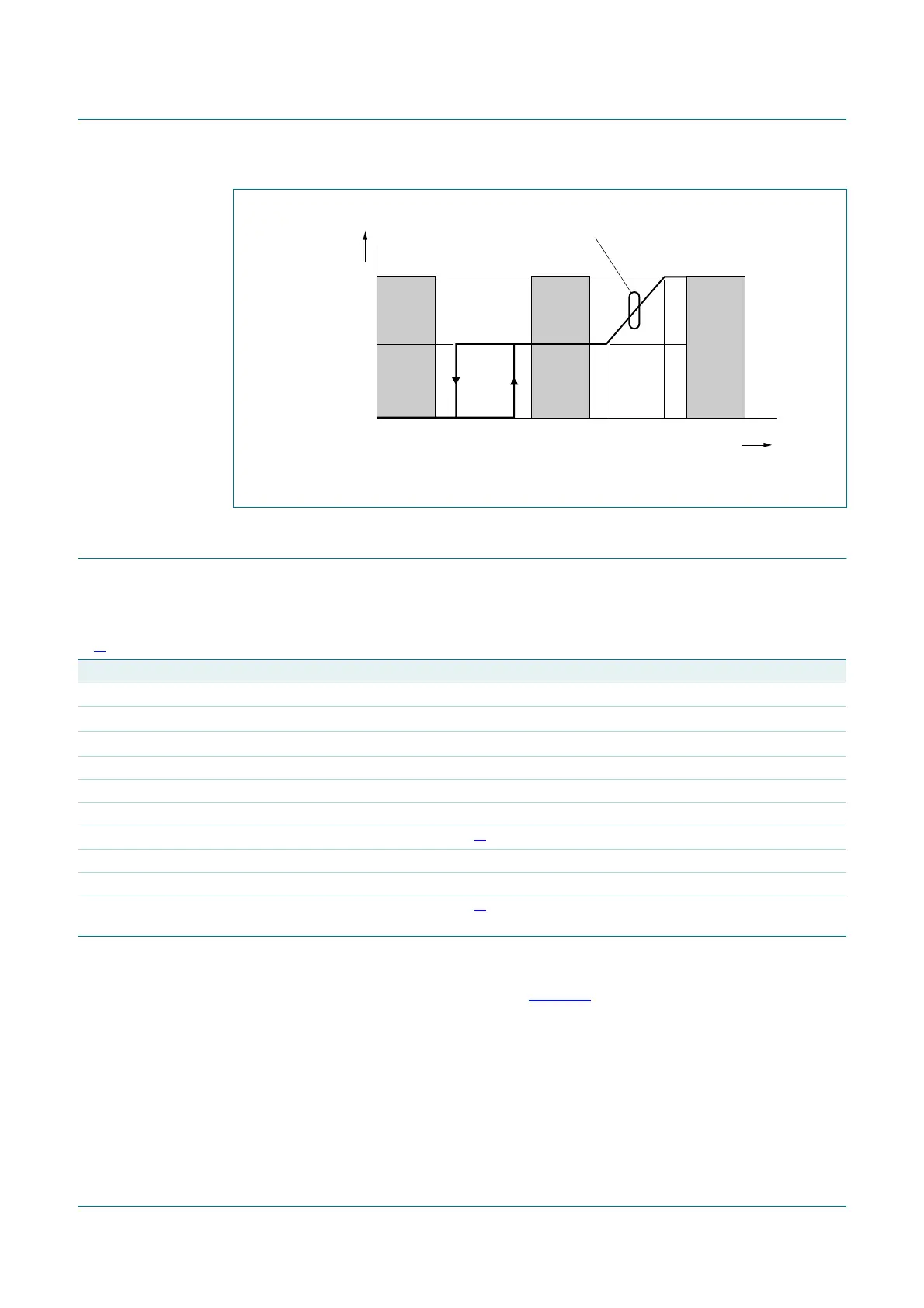
Fig 8. Behavior of mode selection pin MODE
Standby Mute On
5.5
coa021
V
MODE
(V)
4.23.02.20.80
V
O
(V)
V
O(offset)(mute)
V
O(offset)(on)
slope is directly related to the time-constant
of the RC network on the MODE pin
Table 9. Dynamic characteristics
V
P
[1]
=
±
35 V; T
amb
= 25
°
C; unless otherwise specified.
Symbol Parameter Conditions Min Typ Max Unit
Internal oscillator
f
osc(typ)
typical oscillator frequency R
OSC
= 30.0 kΩ 290 345 365 kHz
f
osc
oscillator frequency 250 - 450 kHz
External oscillator input or frequency tracking; pin OSC
V
OSC
voltage on pin OSC HIGH-level SGND + 4.5 SGND + 5 SGND + 6 V
V
trip
trip voltage - SGND + 2.5 - V
f
track
tracking frequency
[2]
500 - 900 kHz
Z
i
input impedance 1 - - MΩ
C
i
input capacitance - - 15 pF
t
r(i)
input rise time from SGND + 0 V
SGND + 5 V
[3]
- - 100 ns


 To Next Page