12
Chapter 2
You must immediately notify the U. S. Coast Guard if your
vessel discharges oil or hazardous substances in the water.
Call toll free 800-424-8802. Report the following
information: location, source, size, color, substances and
time observed.
GARBAGE
The Act to Prevent Pollution from Ships places limitations
on the discharge of garbage from vessels. It is illegal to
dump plastic trash anywhere in the ocean or navigable
waters of the United States. Also, it is illegal to discharge
garbage in the navigable waters of the United States,
including the Great Lakes. The discharge of other types
of garbage is allowed outside certain specified distances
from shore as determined by the nature of that garbage.
United States vessels of 26 feet or longer must display in a
prominent location, a durable placard at least 4” x 9”
notifying crew and passengers of discharge restrictions.
GARBAGE TYPE DISCHARGE
Plastics including synthetic ropes, fishing nets, Prohibited in all areas
and plastic bags
Floating dunnage, lining and packing materials Prohibited lessthan 25 milesfrom nearest land
Food, waste, paper bags, rags, glass, metal, bottles Prohibited less than 12 miles from nearest land
and crockery
Comminuted or ground food Prohibited less than 3 miles from the nearest
waste, paper, rags, glass, etc. land
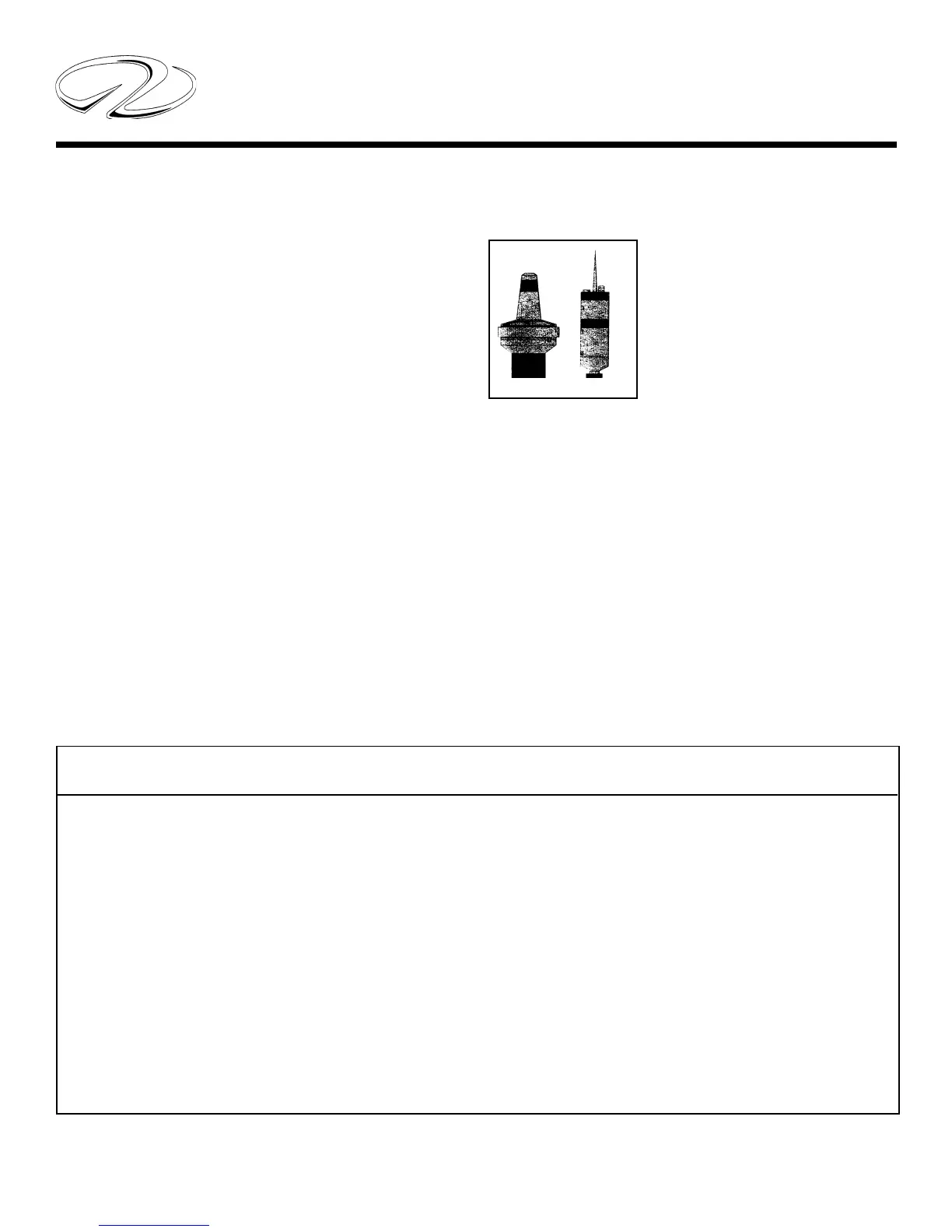
EBIRB
It is a good idea to carry
communication gear such as a
VHF-FM and/or HF transceivers
set up for your operating area.
Also, cell phones are useful in
many coastal areas. Be sure to carry
extra batteries. Also, mainly for
offshore vessels, EPIRBs are
designed to quickly and accurately alert rescue forces,
indicate an accurate distress position, and guide units to
the distress scene.These devices operate from satellite
signals sent to a ground station where the signal is
downloaded. The downside is that they are relatively
expensive but they are reliable even when other
types of
communications have been exhausted.



 To Next Page